Communicating with your newborn

When communicating with your newborn, getting up close helps your baby to watch the movements that you make with your face and connect the different sounds to your facial expressions.

When communicating with your newborn, getting up close helps your baby to watch the movements that you make with your face and connect the different sounds to your facial expressions.

Claire (Parent + practitioner)

Getting better sleep

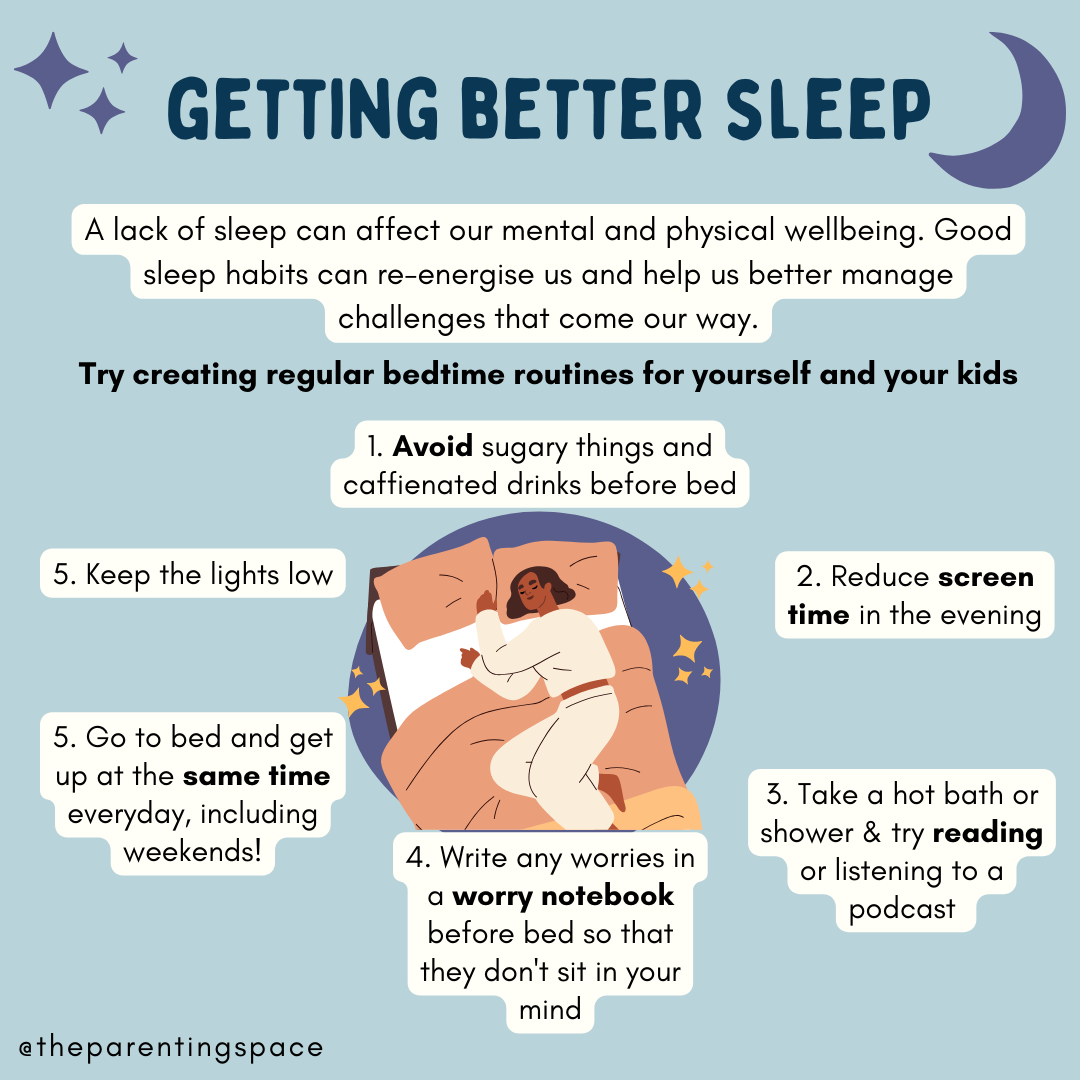
To celebrate World Sleep Day, we wanted to share some simple tips that can help contribute to a better night’s sleep.

To celebrate World Sleep Day, we wanted to share some simple tips that can help contribute to a better night’s sleep.

Ruby (Practitioner)

Communicating with your teenager

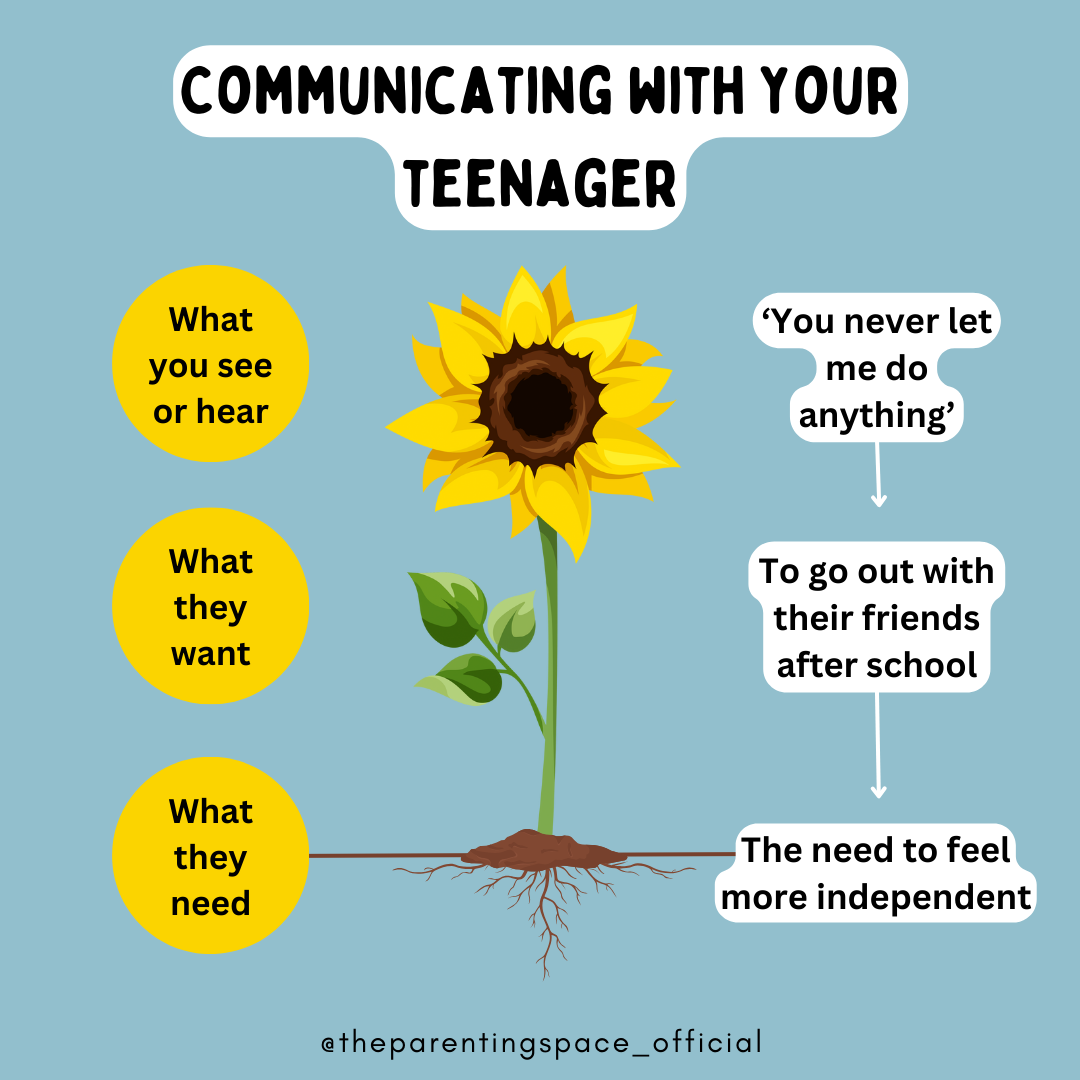
Asking your teenager simple questions such as ‘what would you like to see change?’ can help to keep an open path of communication to understand what they’re really asking for and find a solution that works for everyone.

Asking your teenager simple questions such as ‘what would you like to see change?’ can help to keep an open path of communication to understand what they’re really asking for and find a solution that works for everyone.

Claire (Parent + practitioner)

Navigating through stress

Dads, what helps you when you are feeling stressed?

Dads, what helps you when you are feeling stressed?

Matt (Parent)

What are my child’s anxious expectations?

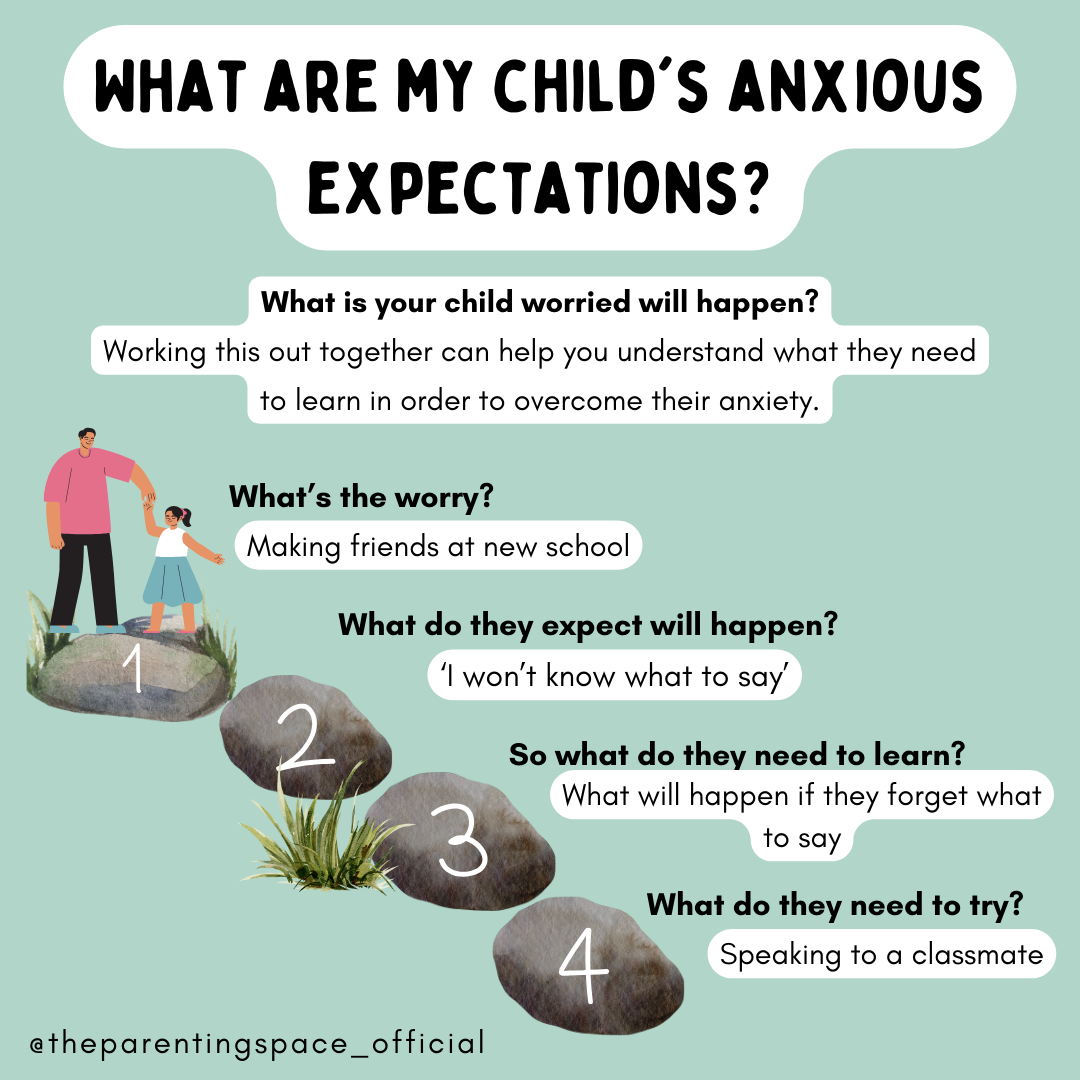
Identifying your child’s anxious expectations can help you to understand what they need to learn in order to overcome their anxiety.

Identifying your child’s anxious expectations can help you to understand what they need to learn in order to overcome their anxiety.

Ruby (Practitioner)

The power of noticing the positive

Focusing your attention on noticing and praising positive behaviour can help encourage more of it.

Focusing your attention on noticing and praising positive behaviour can help encourage more of it.

Annie (Practitioner)

The step-by-step approach

The step-by-step approach can help your child to face their fears and learn about their ability to cope.

The step-by-step approach can help your child to face their fears and learn about their ability to cope.

Ruby (Practitioner)

The worry tree

Using a worry tree can help children to learn how to notice the difference between the worries that they can do something about and the worries that they can’t. Try giving this a go together, starting at the top, and working your way down the tree.

Using a worry tree can help children to learn how to notice the difference between the worries that they can do something about and the worries that they can’t. Try giving this a go together, starting at the top, and working your way down the tree.

Ruby (Practitioner)

Supporting your child through praise

Praise is a great way to encourage positive behaviour in your child.

Praise is a great way to encourage positive behaviour in your child.

Annie (Practitioner)

My toddlers favourite word is ‘no’

The ‘no stage’ is an important milestone for toddlers. Providing choices, setting clear boundaries, and trying to remain calm can help you to navigate through this phase.

The ‘no stage’ is an important milestone for toddlers. Providing choices, setting clear boundaries, and trying to remain calm can help you to navigate through this phase.

Parent in the community