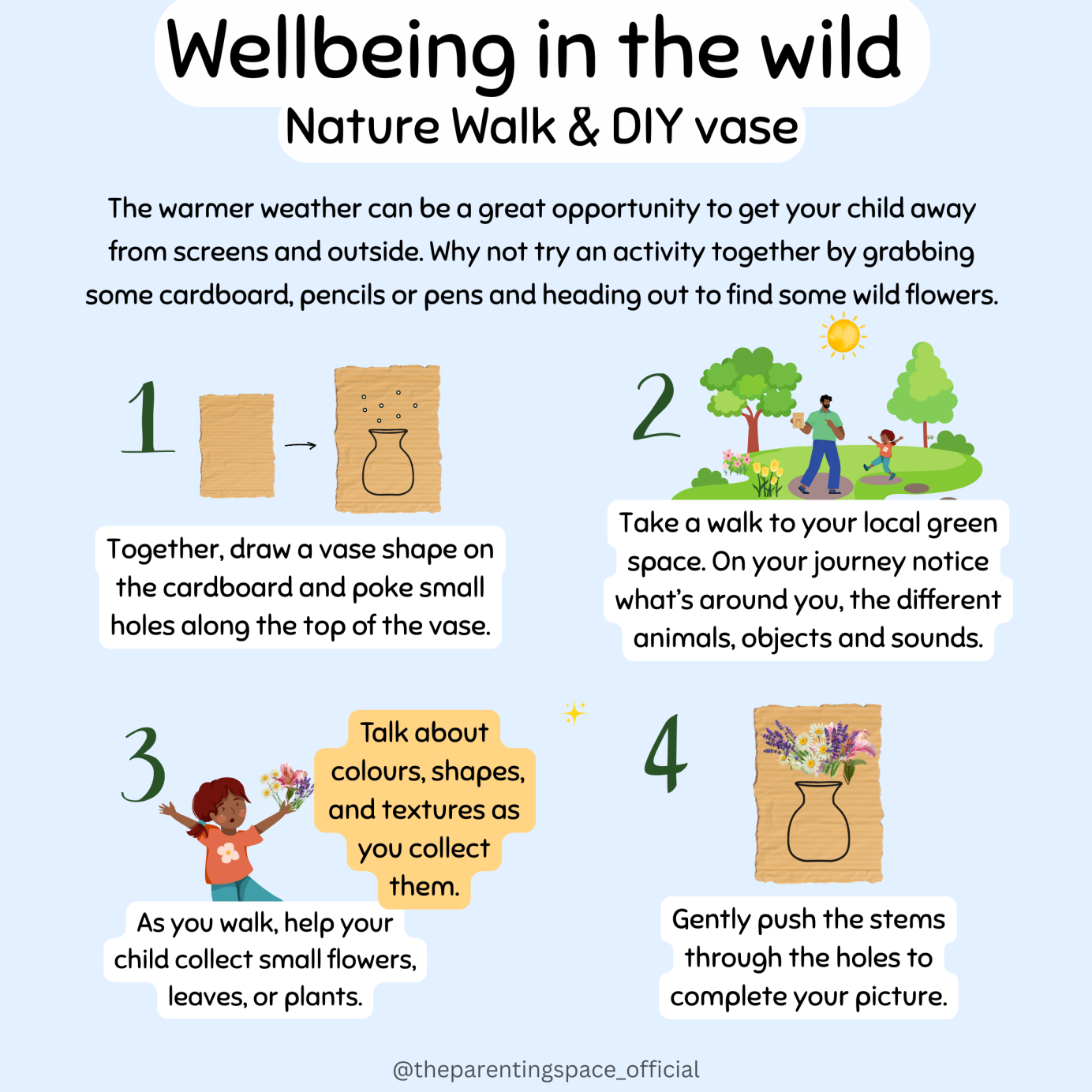
Supporting wellbeing through nature
Help nurture your child’s mental health by encouraging them to step outside and connect with nature.
Help nurture your child’s mental health by encouraging them to step outside and connect with nature.


Help nurture your child’s mental health by encouraging them to step outside and connect with nature.
Help nurture your child’s mental health by encouraging them to step outside and connect with nature.
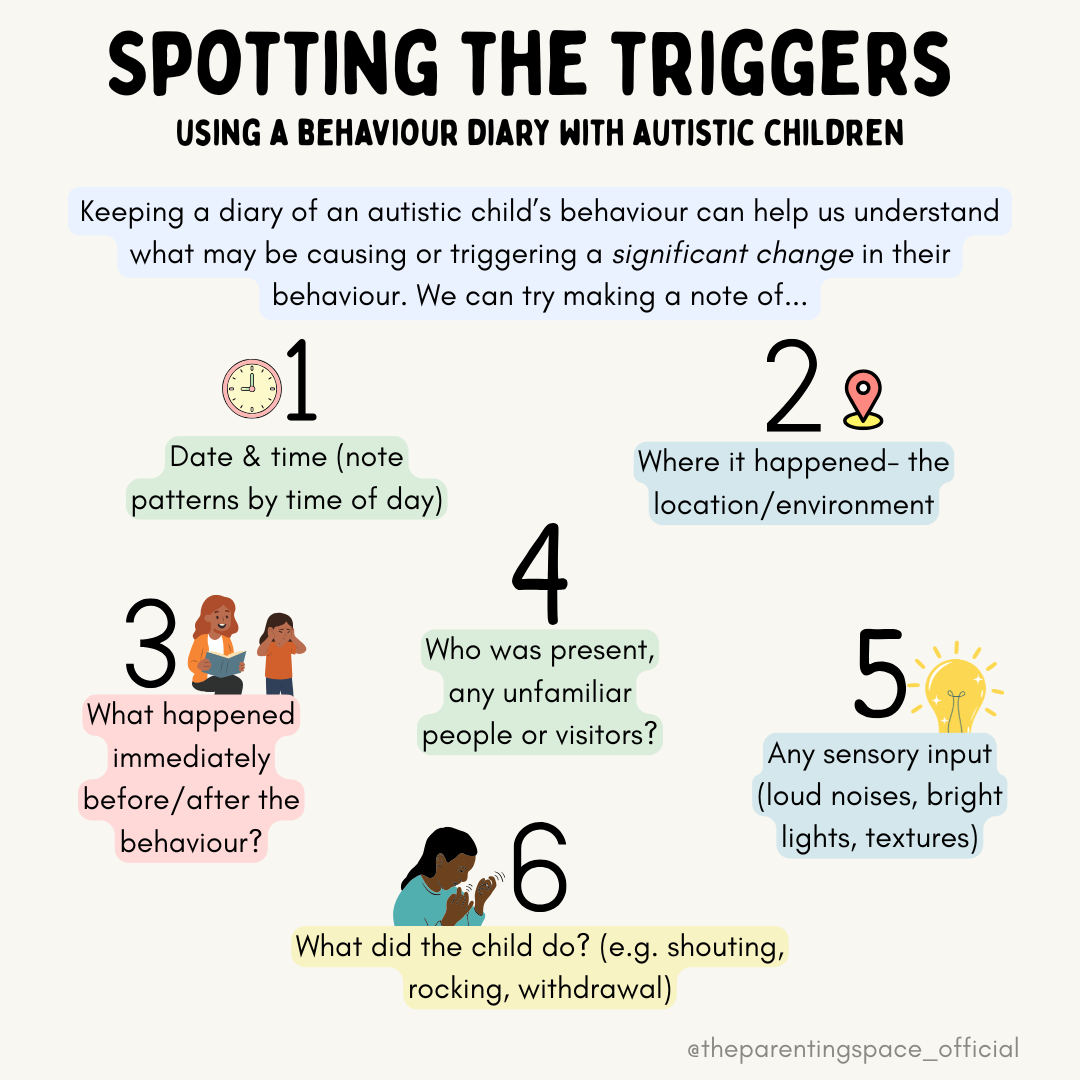
Keeping a diary of an autistic child’s behaviour can help us understand what may be causing or triggering a significant change in their behaviour. Start by making note of the following details.
Keeping a diary of an autistic child’s behaviour can help us understand what may be causing or triggering a significant change in their behaviour. Start by making note of the following details.

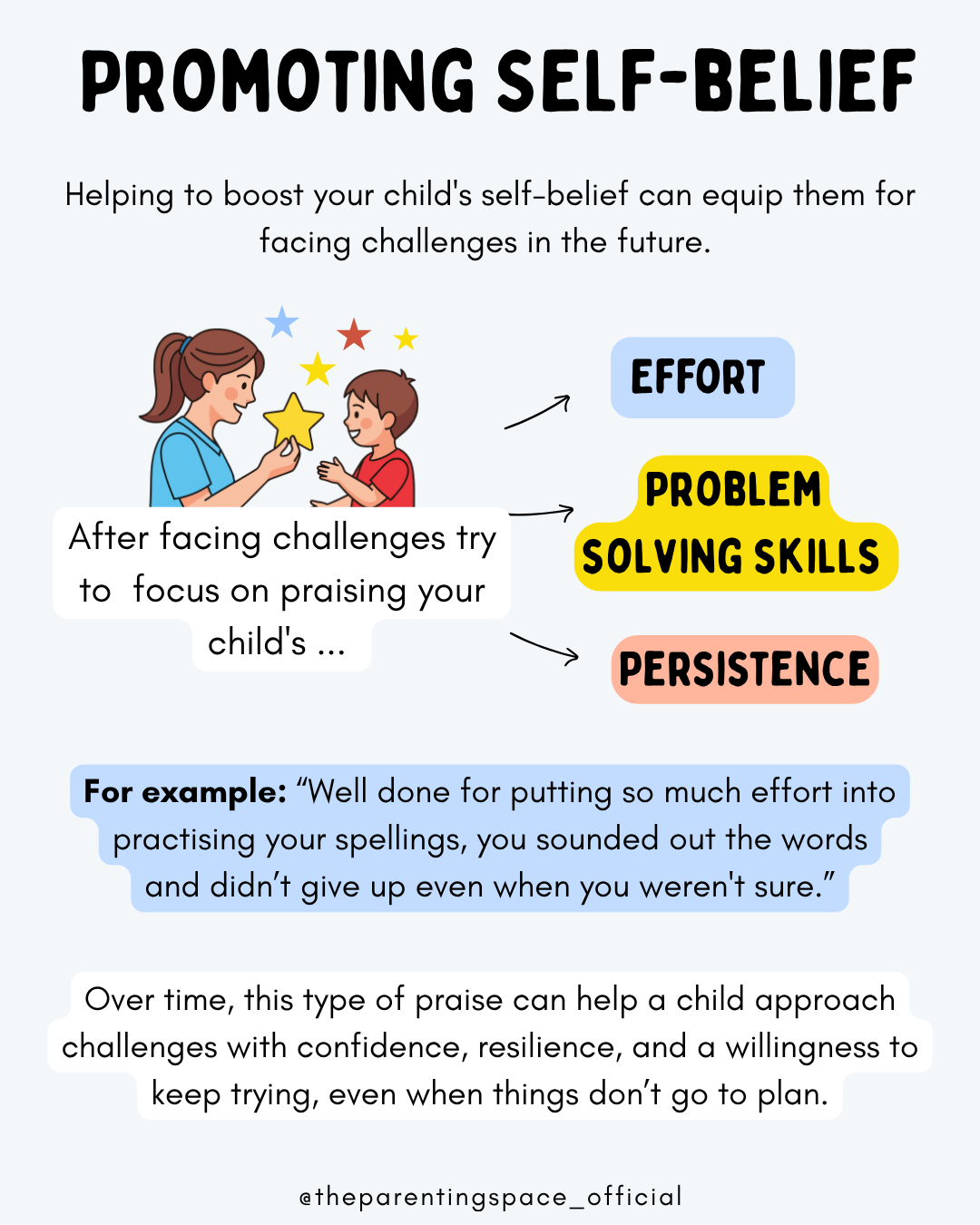
Praising effort, persistence and problem-solving skills, can boost your child’s self belief, helping them to face challenges in the future.
Praising effort, persistence and problem-solving skills, can boost your child’s self belief, helping them to face challenges in the future.
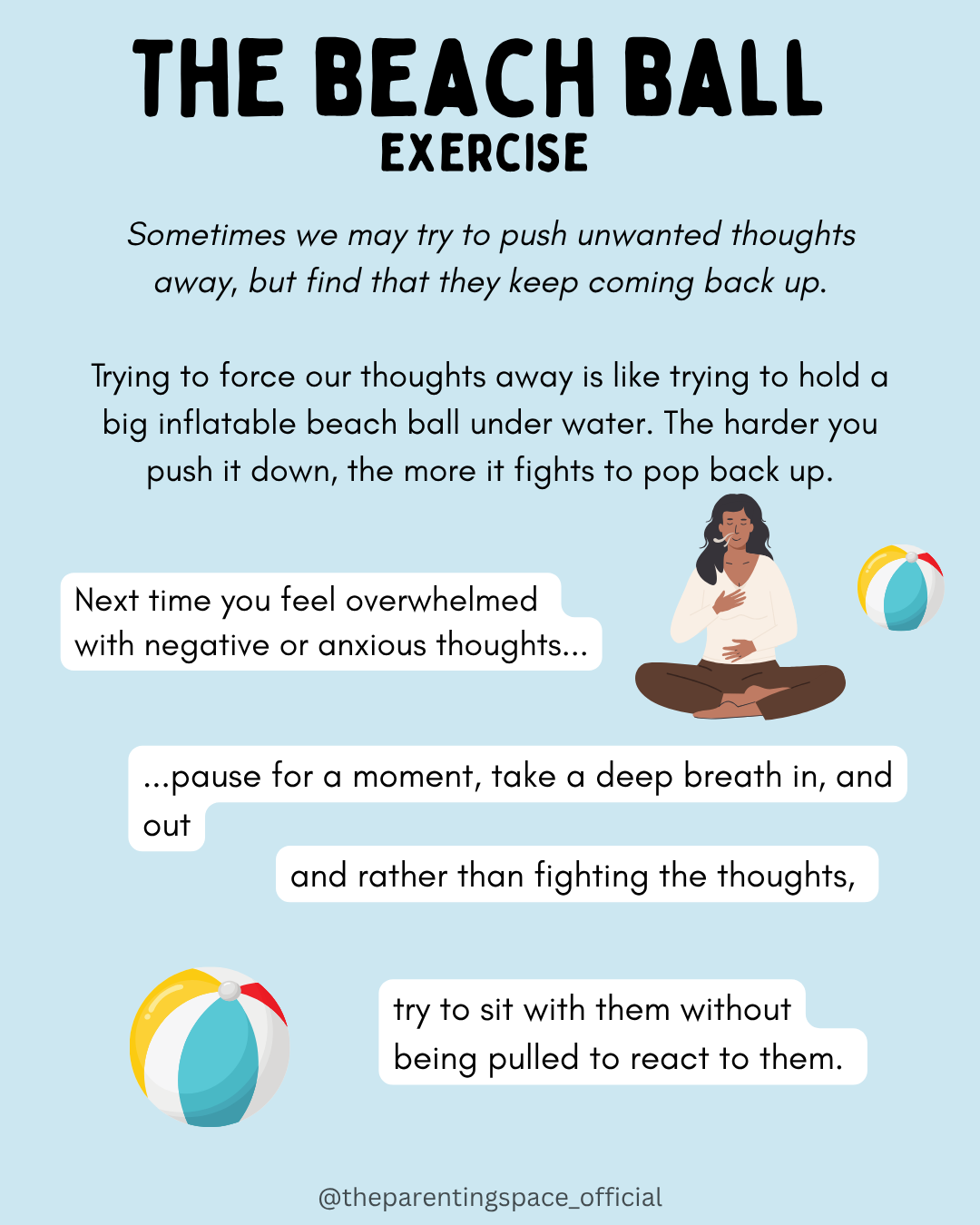
Just like a beach ball, trying to constantly push down negative or anxious thoughts can mean that they keep coming back. Instead, try letting thoughts float by, without fighting them or allowing them pull us off course.
Just like a beach ball, trying to constantly push down negative or anxious thoughts can mean that they keep coming back. Instead, try letting thoughts float by, without fighting them or allowing them pull us off course.
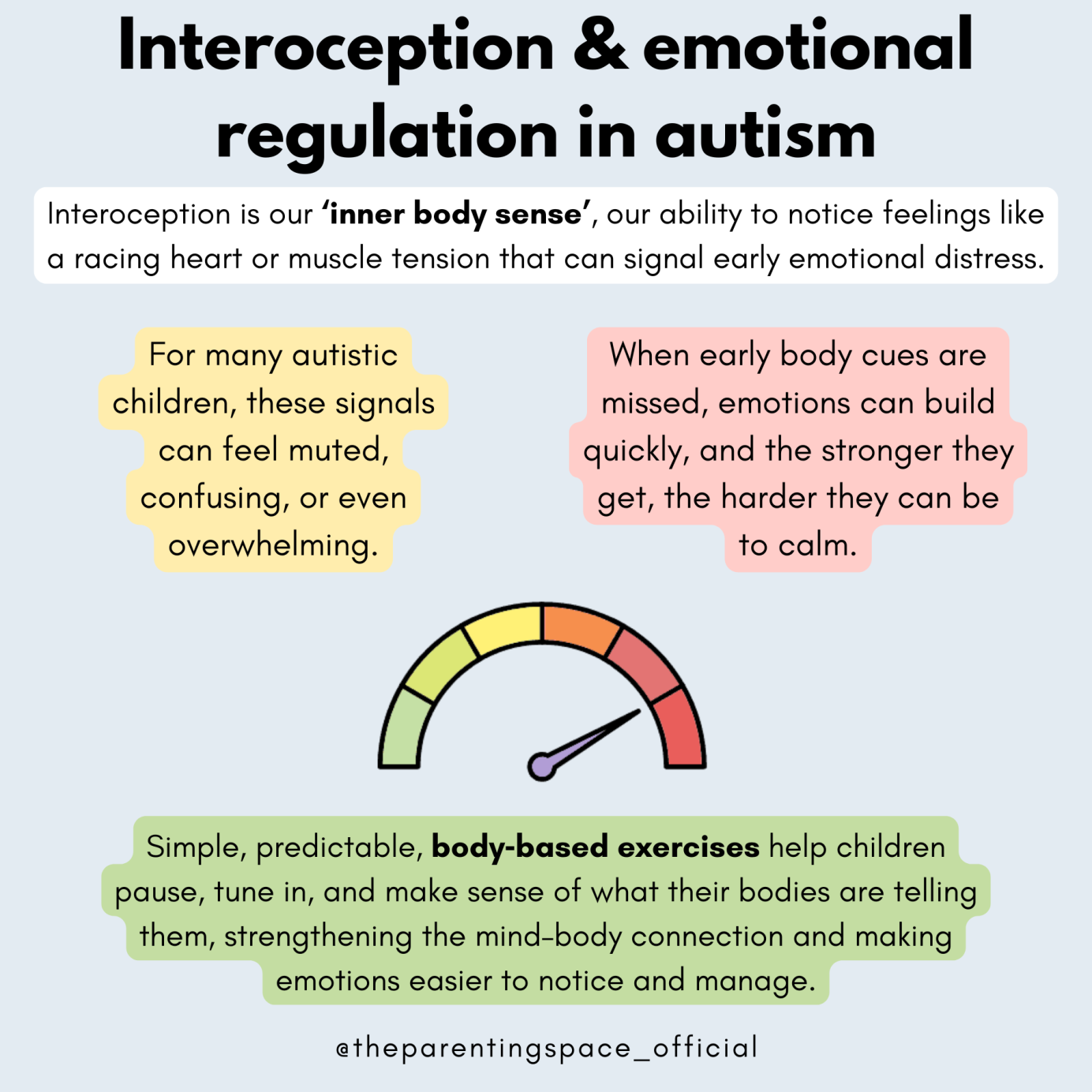
Many autistic children experience differences in interoception, meaning these body signals may feel muted, confusing, or even overwhelming. Activities such as body scans, progressive muscle relaxation, or simple breathing exercises can help children tune into their bodies and make sense of different sensations.
Many autistic children experience differences in interoception, meaning these body signals may feel muted, confusing, or even overwhelming. Activities such as body scans, progressive muscle relaxation, or simple breathing exercises can help children tune into their bodies and make sense of different sensations.
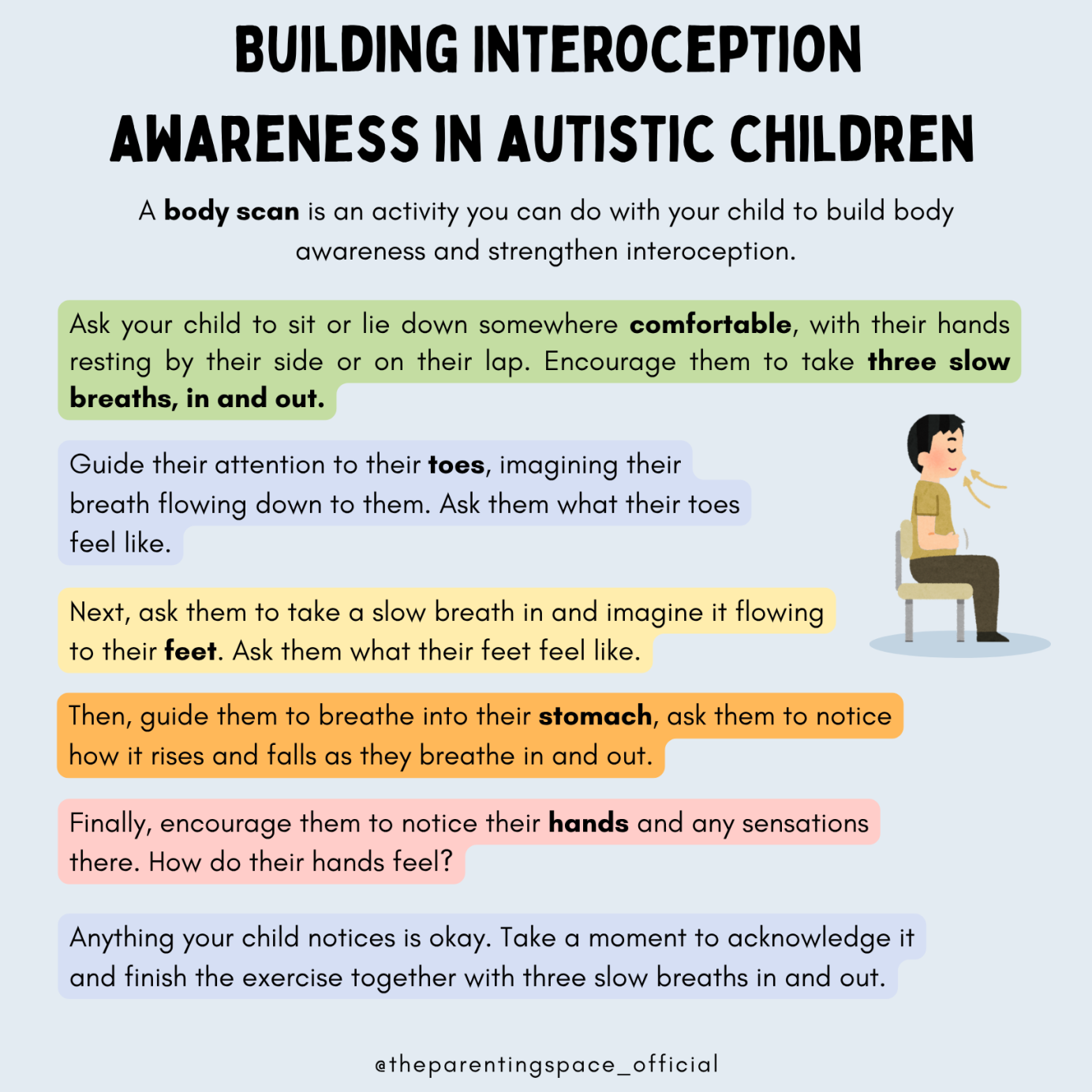
Developing interoceptive awareness can help a child better recognise and respond to their emotions over time. Here is a simple, step‑by‑step body scan exercise you can try at home to gently strengthen the mind–body connection.
Developing interoceptive awareness can help a child better recognise and respond to their emotions over time. Here is a simple, step‑by‑step body scan exercise you can try at home to gently strengthen the mind–body connection.
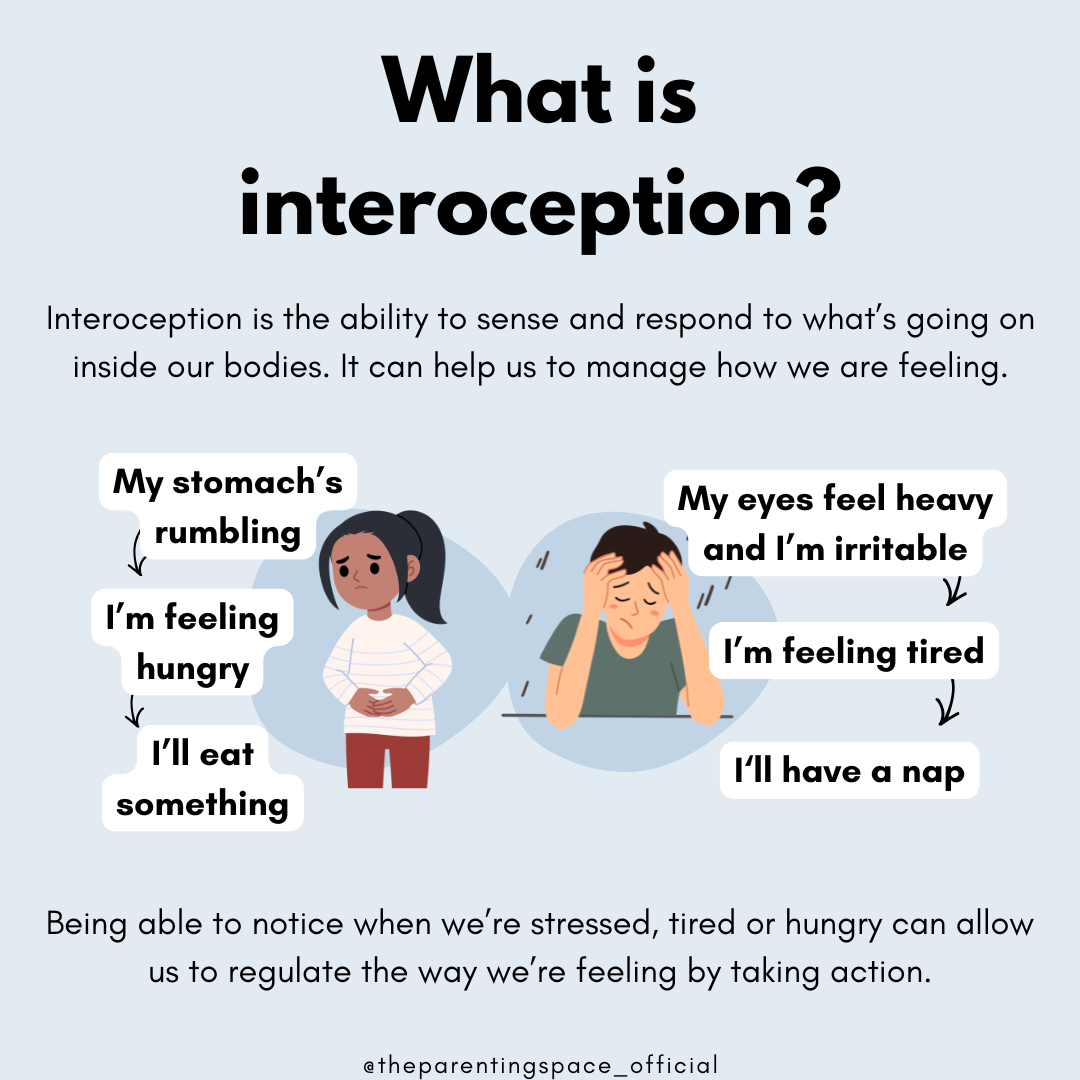
‘Interoception’ is our ability to notice and make sense of signals coming from inside your body: like hunger, tiredness, or a need for rest. Autistic children may experience and interpret these internal signals differently, which can mean their needs or emotions come through quickly and with intensity.
‘Interoception’ is our ability to notice and make sense of signals coming from inside your body: like hunger, tiredness, or a need for rest. Autistic children may experience and interpret these internal signals differently, which can mean their needs or emotions come through quickly and with intensity.