Building a sense of belonging

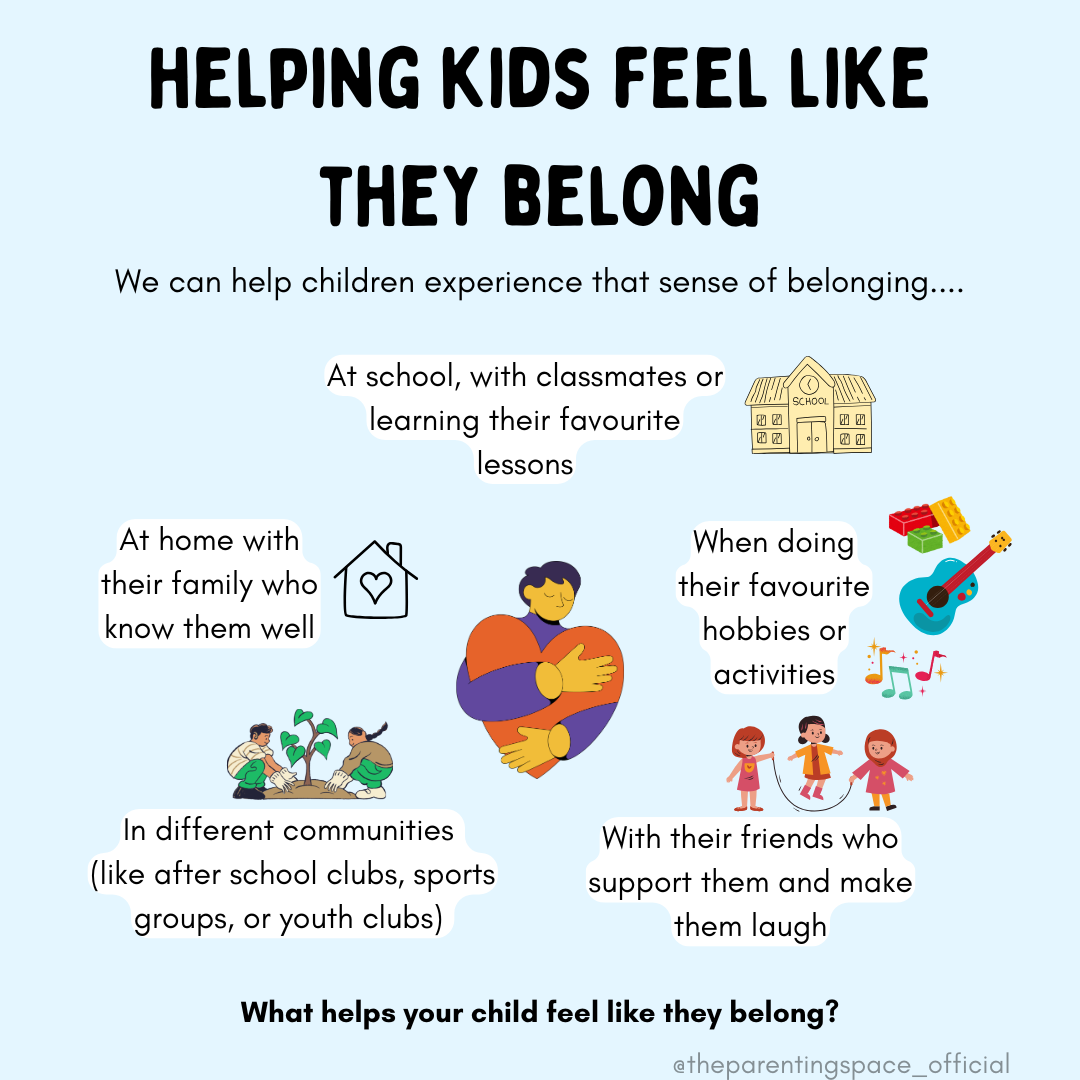
This post highlights the different places and relationships that can help children feel a sense of belonging, including family, friends, school, hobbies, and community groups.

This post highlights the different places and relationships that can help children feel a sense of belonging, including family, friends, school, hobbies, and community groups.

Ruby (practitioner)
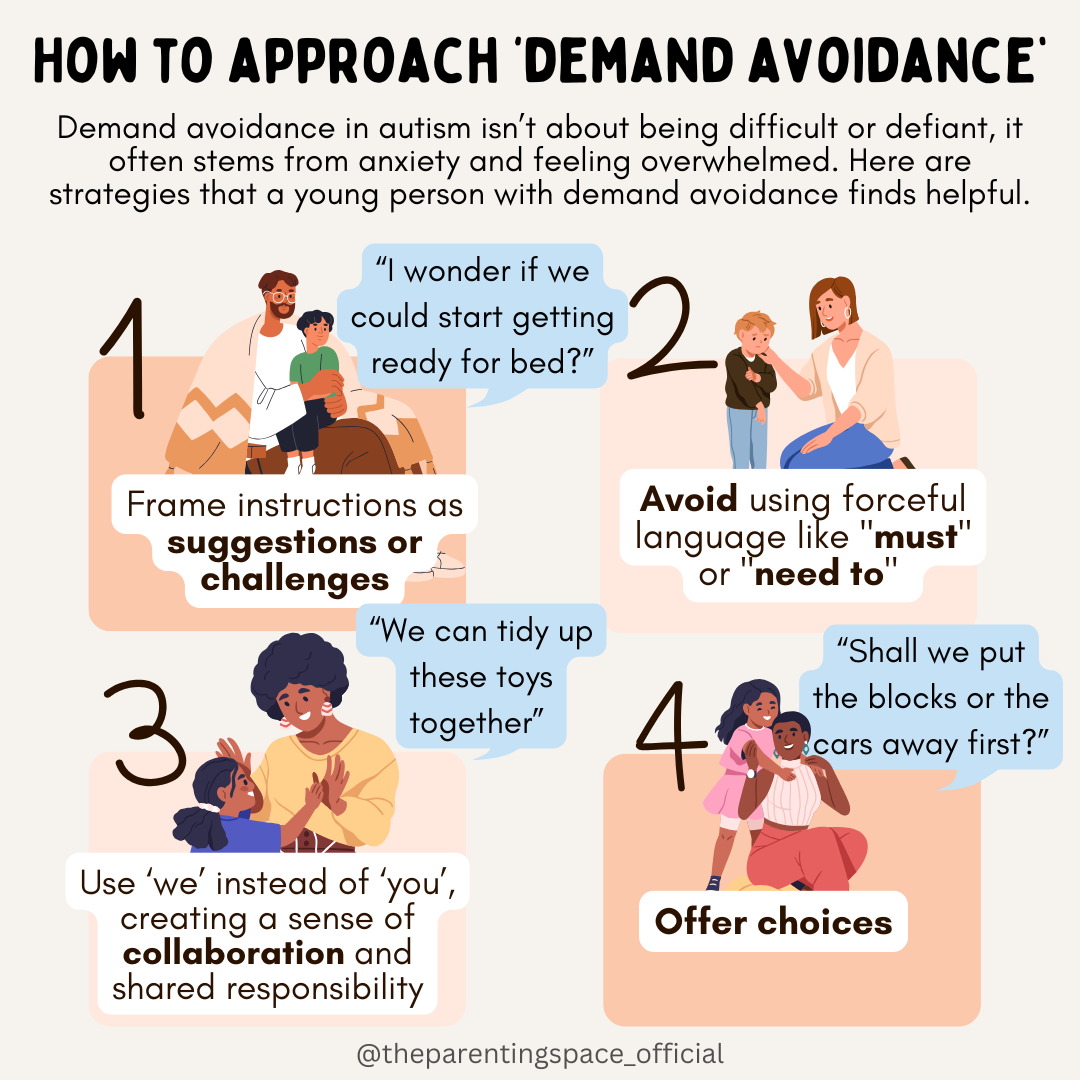
Demand avoidance in autism is not about being difficult or defiant. It often stems from anxiety and feeling overwhelmed. Helpful approaches include using “we” instead of “you” to create collaboration, framing instructions as suggestions or challenges, offering choices, and avoiding forceful language such as “must” or “need to.”

How to approach demand avoidance

This post explains that demand avoidance in autistic young people is often linked to anxiety and feeling overwhelmed, not defiance. It suggests approaching tasks in a collaborative way by offering choices, using “we” instead of “you,” avoiding forceful language, and framing instructions as gentle suggestions or challenges.

This post explains that demand avoidance in autistic young people is often linked to anxiety and feeling overwhelmed, not defiance. It suggests approaching tasks in a collaborative way by offering choices, using “we” instead of “you,” avoiding forceful language, and framing instructions as gentle suggestions or challenges.

NADINE (PARENT + PRACTITIONER)
Teaching your child ways to relax their muscles when they are feeling tense can help them manage stress. Ask your child to imagine they are standing under a very tall fruit tree. Ask them to stretch their hands and arms up high, as if they are reaching up to grab a piece of fruit from the tree. Encourage your child to stretch as tall as they can. Say “get taller & taller.” Ask them to hold the stretch for five seconds. After five seconds, ask your child to gently allow their arms to drop down to their sides. Repeat this exercise together until everyone is feeling calmer

Progressive muscle relaxation exercise

A child‑friendly progressive muscle relaxation exercise that encourages children to stretch their arms up high as if reaching for fruit, hold the stretch for five seconds, then gently lower their arms to release tension. The helps children relax their muscles and manage stress.

A child‑friendly progressive muscle relaxation exercise that encourages children to stretch their arms up high as if reaching for fruit, hold the stretch for five seconds, then gently lower their arms to release tension. The helps children relax their muscles and manage stress.

Annie (practitioner)
The warmer weather can be a great opportunity to get your child away from screens and outside. Why not try an activity together by grabbing some cardboard, pencils or pens and heading out to find some wild flowers. Number 1: Together, draw a vase shape on the cardboard and poke small holes along the top of the vase. Number 2: Take a walk to your local green space. On your journey notice what’s around you, the different animals, objects and sounds. Number 3: As you walk, help your child collect small flowers, leaves, or plants. Number 4: Gently push the stems through the holes to complete your picture.

Supporting wellbeing through nature

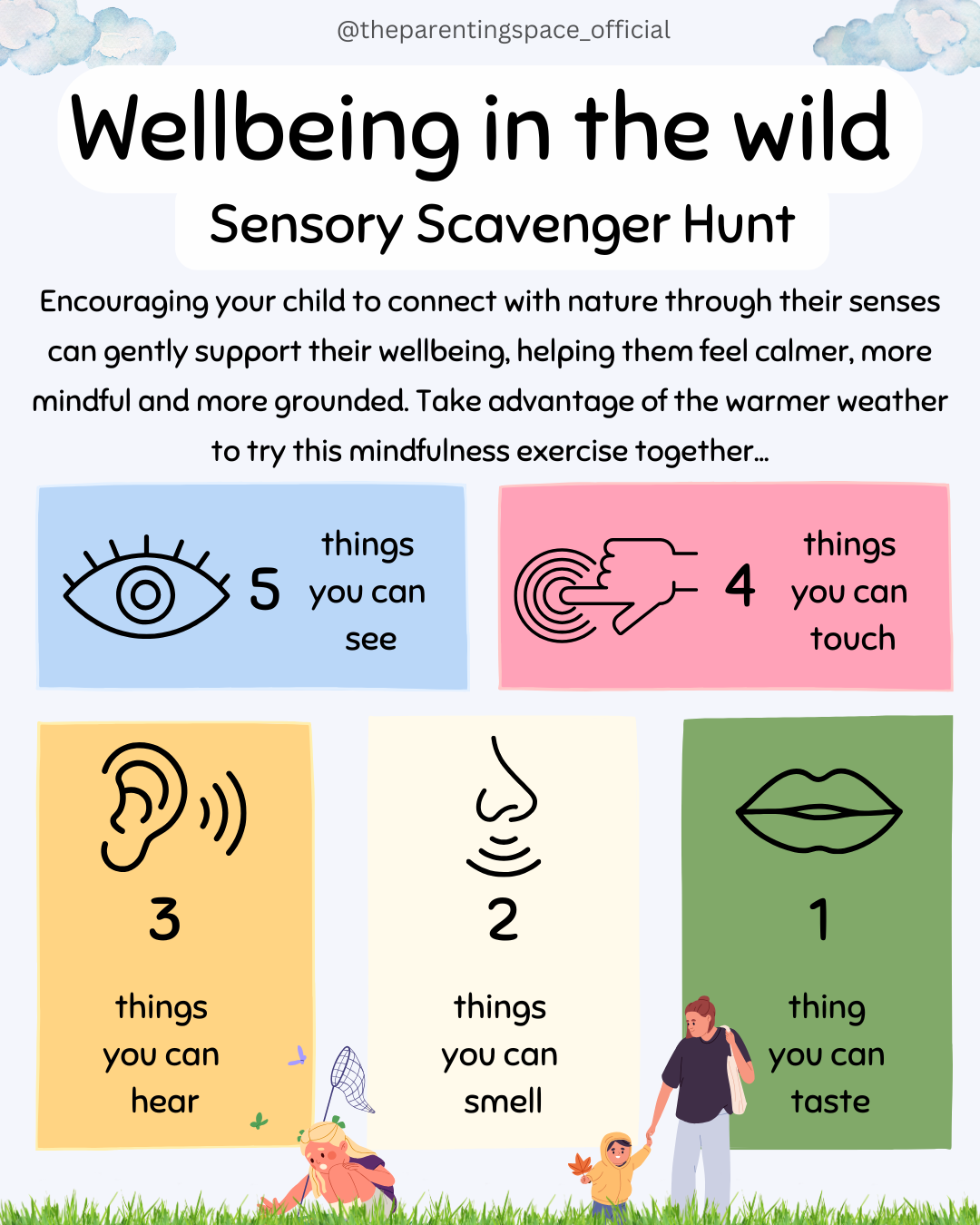
Help nurture your child’s mental health by encouraging them to step outside and connect with nature.

Help nurture your child’s mental health by encouraging them to step outside and connect with nature.

Annie (practitioner)
Keeping a diary of an autistic child’s behaviour can help us understand what may be causing or triggering a significant change in their behaviour. We can try making a note of: Number one: Date & time (note patterns by time of day) Number two: Where it happened- the location/environment Number three: What happened immediately before/after the behaviour? Number four: Who was present, any unfamiliar people or visitors? Number five: Any sensory input (loud noises, bright lights, textures) Number six: What did the child do? (e.g. shouting, rocking, withdrawal)

Understanding the triggers behind behaviour in autistic children

Keeping a diary of an autistic child’s behaviour can help us understand what may be causing or triggering a significant change in their behaviour. Start by making note of the following details.

Keeping a diary of an autistic child’s behaviour can help us understand what may be causing or triggering a significant change in their behaviour. Start by making note of the following details.

NADINE (PARENT + PRACTITIONER)
Helping to boost your child's self-belief can equip them for facing challenges in the future. After facing challenges try to focus on praising your child's :Effort, Problem solving skills and Persistence. For example: “You worked hard to learn your spellings before the test and still finished it even though you found it difficult, well done I’m proud of you“. Over time, this type of praise helps children approach challenges with confidence, resilience, and a willingness to keep trying, even when things don’t go to plan.

Promoting self-belief

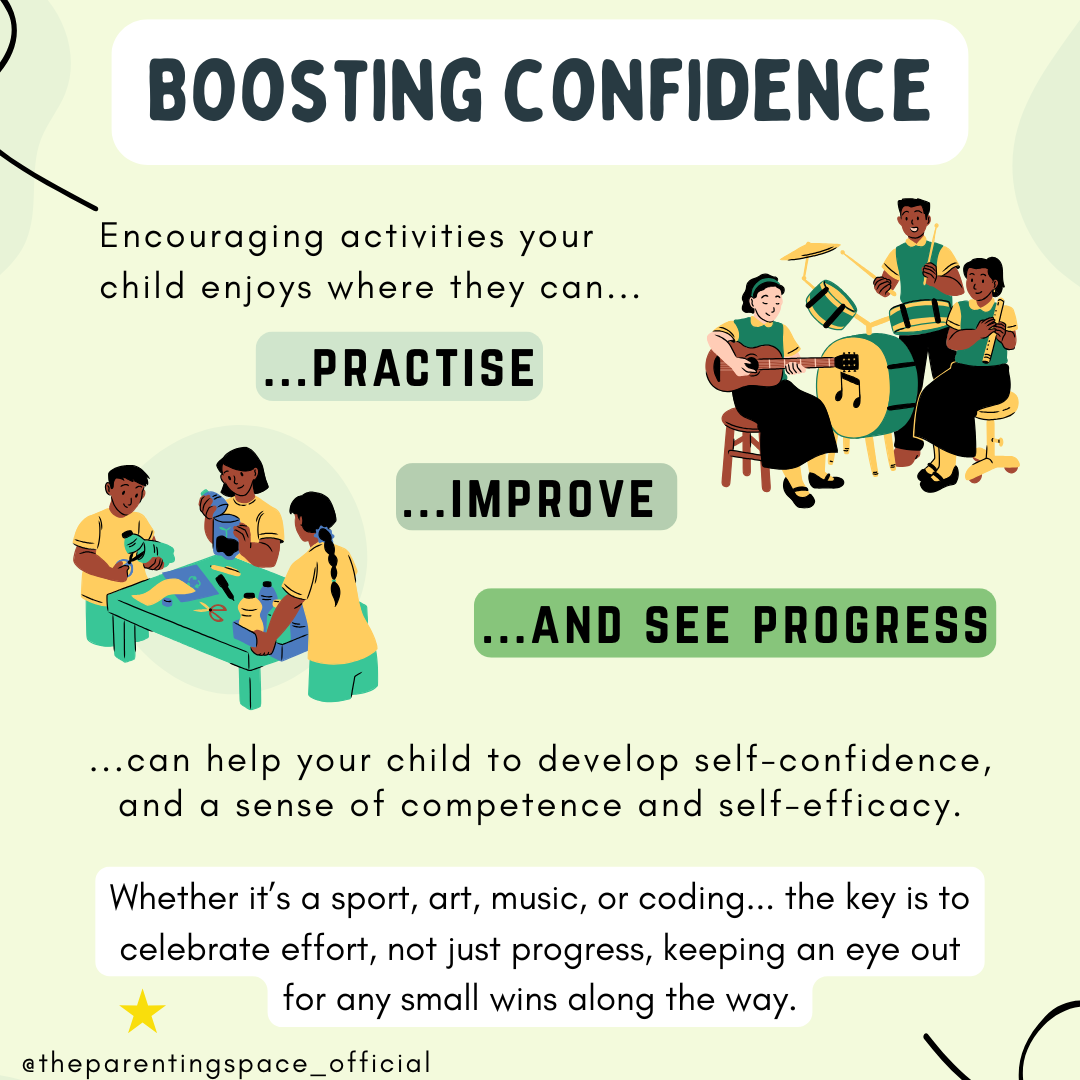
Praising effort, persistence and problem-solving skills, can boost your child’s self belief, helping them to face challenges in the future.

Praising effort, persistence and problem-solving skills, can boost your child’s self belief, helping them to face challenges in the future.

Annie (practitioner)

Managing negative thoughts

Just like a beach ball, trying to constantly push down negative or anxious thoughts can mean that they keep coming back. Instead, try letting thoughts float by, without fighting them or allowing them pull us off course.

Just like a beach ball, trying to constantly push down negative or anxious thoughts can mean that they keep coming back. Instead, try letting thoughts float by, without fighting them or allowing them pull us off course.

Annie (practitioner)

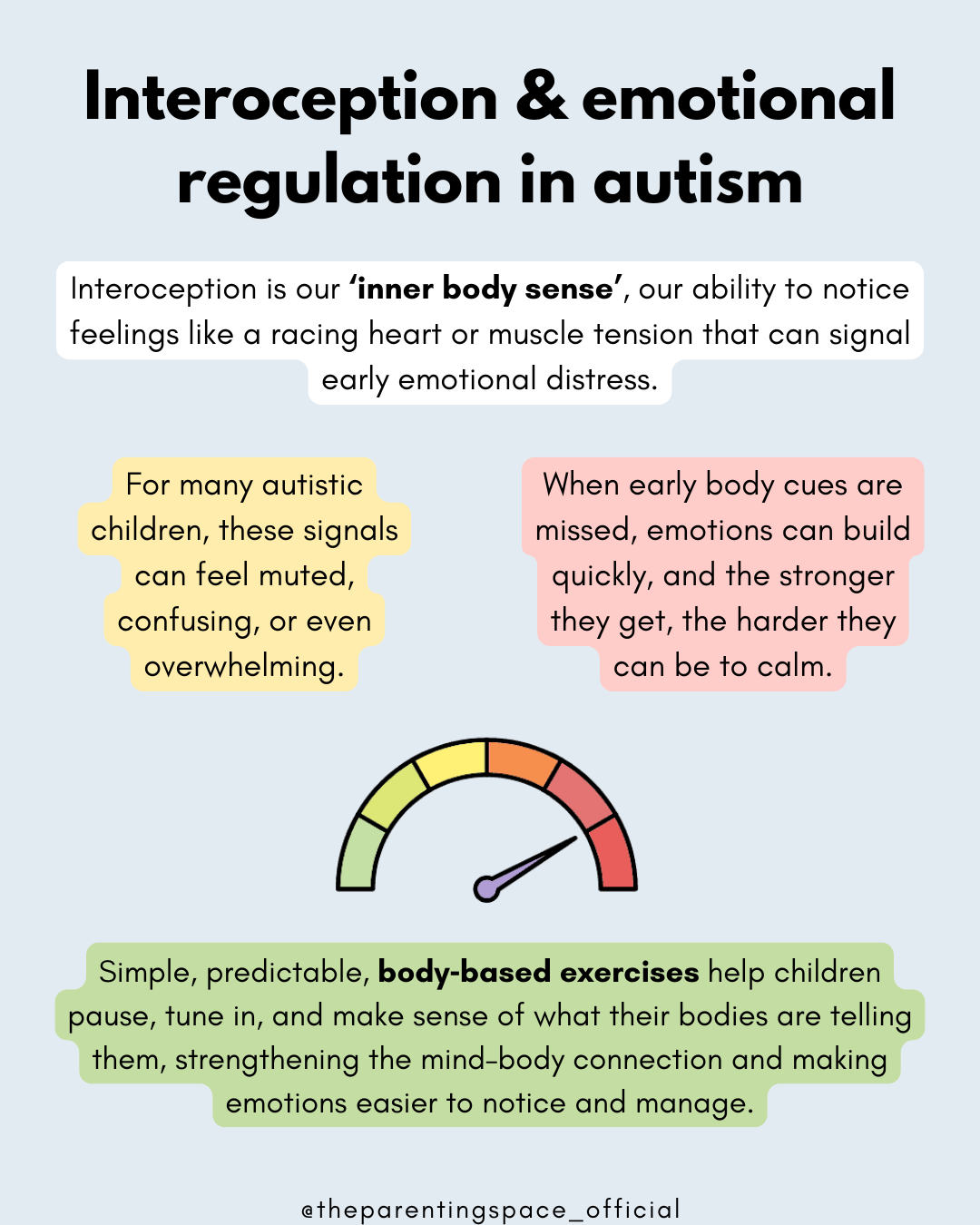
Interoception & emotional regulation in autism

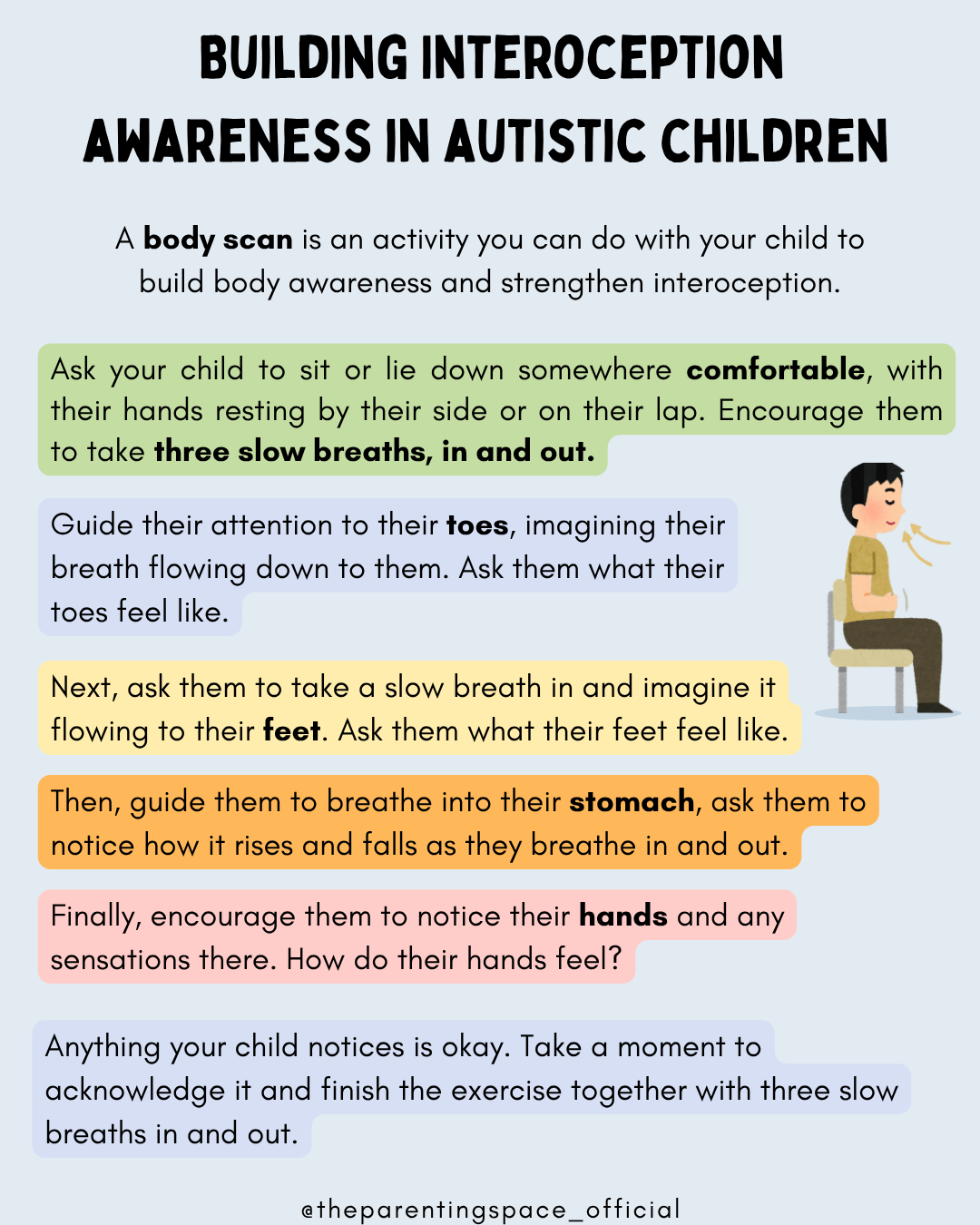
Many autistic children experience differences in interoception, meaning these body signals may feel muted, confusing, or even overwhelming. Activities such as body scans, progressive muscle relaxation, or simple breathing exercises can help children tune into their bodies and make sense of different sensations.

Many autistic children experience differences in interoception, meaning these body signals may feel muted, confusing, or even overwhelming. Activities such as body scans, progressive muscle relaxation, or simple breathing exercises can help children tune into their bodies and make sense of different sensations.

NADINE (PARENT + PRACTITIONER)

Using body scans to build mind-body connection

Developing interoceptive awareness can help a child better recognise and respond to their emotions over time. Here is a simple, step‑by‑step body scan exercise you can try at home to gently strengthen the mind–body connection.

Developing interoceptive awareness can help a child better recognise and respond to their emotions over time. Here is a simple, step‑by‑step body scan exercise you can try at home to gently strengthen the mind–body connection.

NADINE (PARENT + PRACTITIONER)

What is interoception

‘Interoception’ is our ability to notice and make sense of signals coming from inside your body: like hunger, tiredness, or a need for rest. Autistic children may experience and interpret these internal signals differently, which can mean their needs or emotions come through quickly and with intensity.

‘Interoception’ is our ability to notice and make sense of signals coming from inside your body: like hunger, tiredness, or a need for rest. Autistic children may experience and interpret these internal signals differently, which can mean their needs or emotions come through quickly and with intensity.

NADINE (PARENT + PRACTITIONER)