Building a sense of belonging

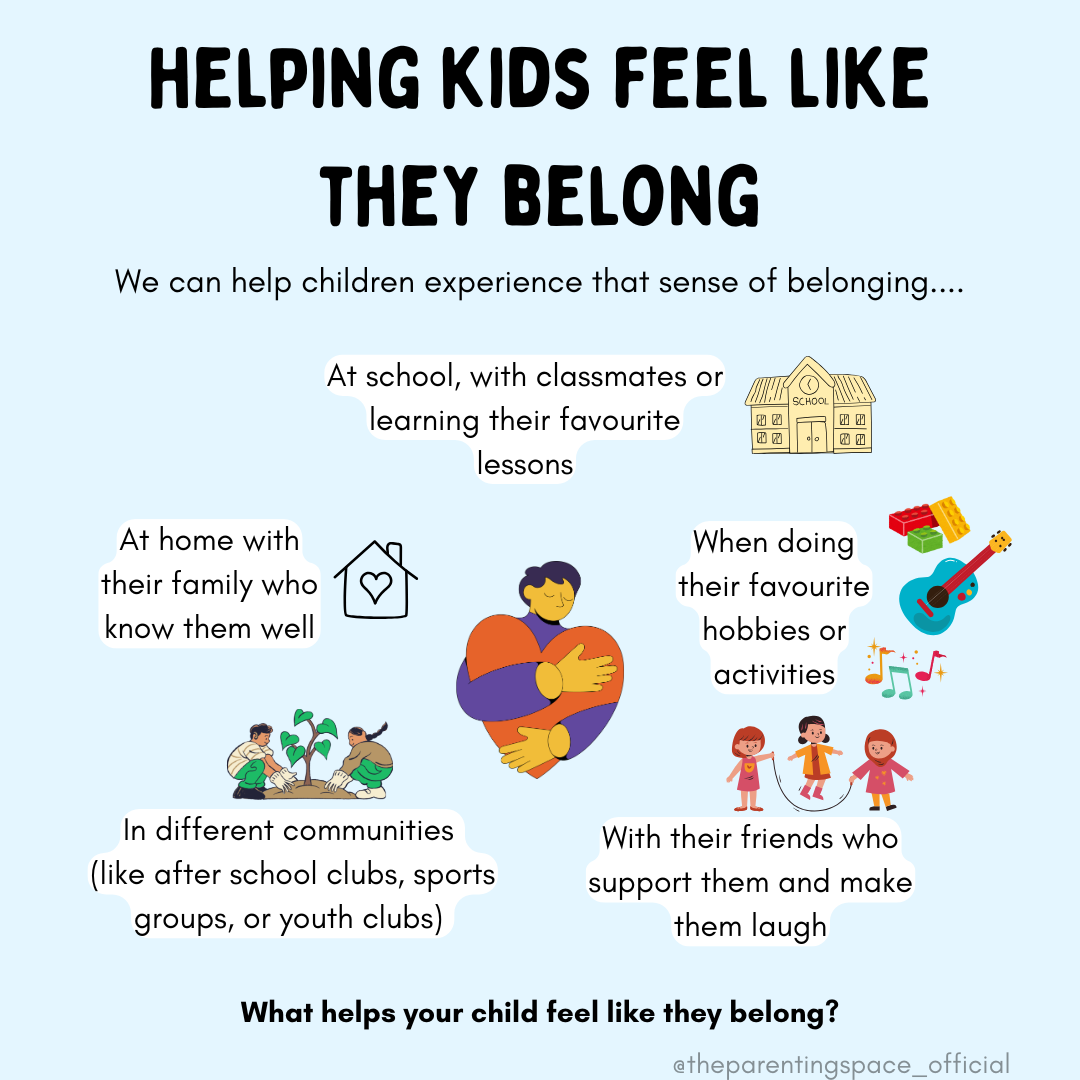
This post highlights the different places and relationships that can help children feel a sense of belonging, including family, friends, school, hobbies, and community groups.

This post highlights the different places and relationships that can help children feel a sense of belonging, including family, friends, school, hobbies, and community groups.

Ruby (practitioner)
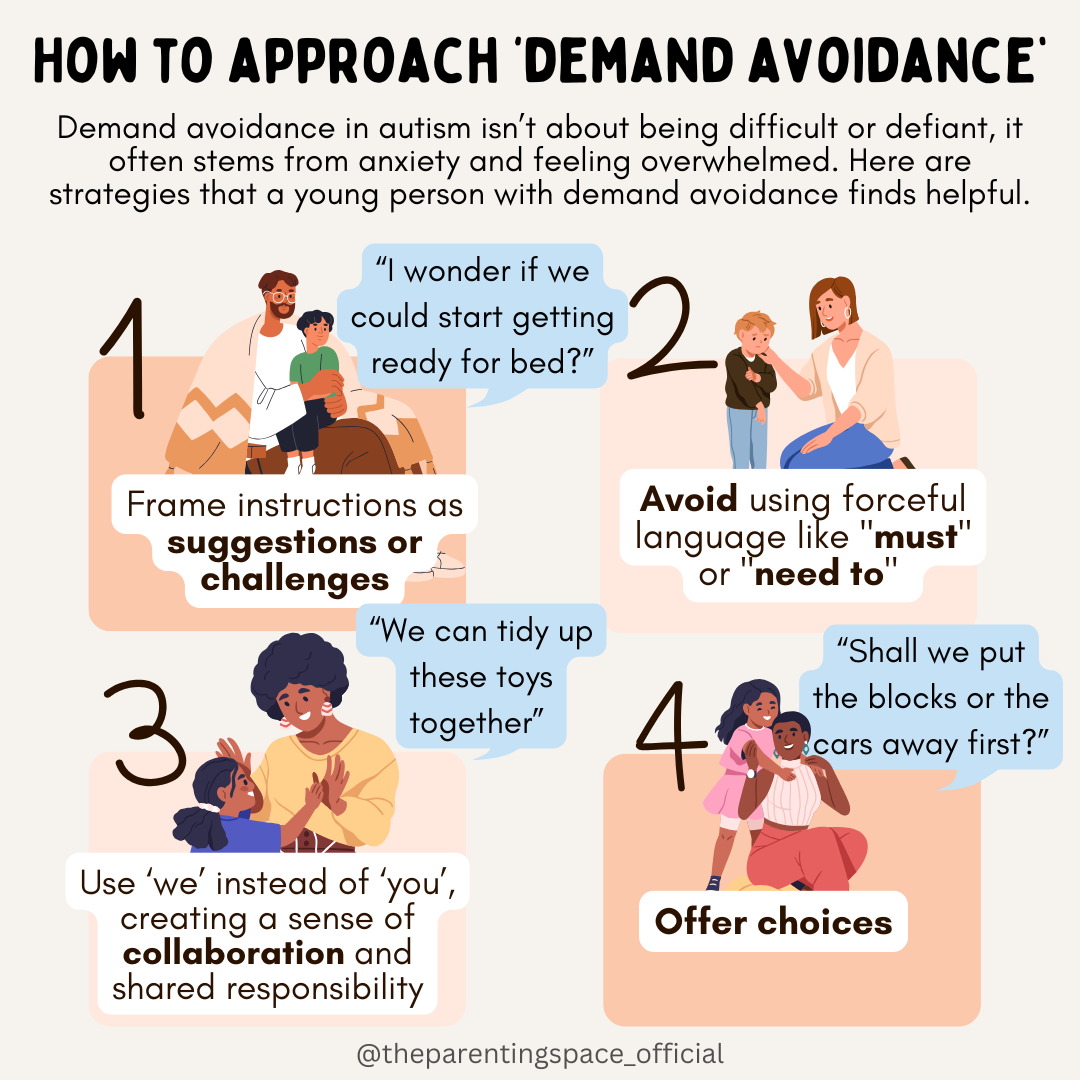
Demand avoidance in autism is not about being difficult or defiant. It often stems from anxiety and feeling overwhelmed. Helpful approaches include using “we” instead of “you” to create collaboration, framing instructions as suggestions or challenges, offering choices, and avoiding forceful language such as “must” or “need to.”

How to approach demand avoidance

This post explains that demand avoidance in autistic young people is often linked to anxiety and feeling overwhelmed, not defiance. It suggests approaching tasks in a collaborative way by offering choices, using “we” instead of “you,” avoiding forceful language, and framing instructions as gentle suggestions or challenges.

This post explains that demand avoidance in autistic young people is often linked to anxiety and feeling overwhelmed, not defiance. It suggests approaching tasks in a collaborative way by offering choices, using “we” instead of “you,” avoiding forceful language, and framing instructions as gentle suggestions or challenges.

NADINE (PARENT + PRACTITIONER)
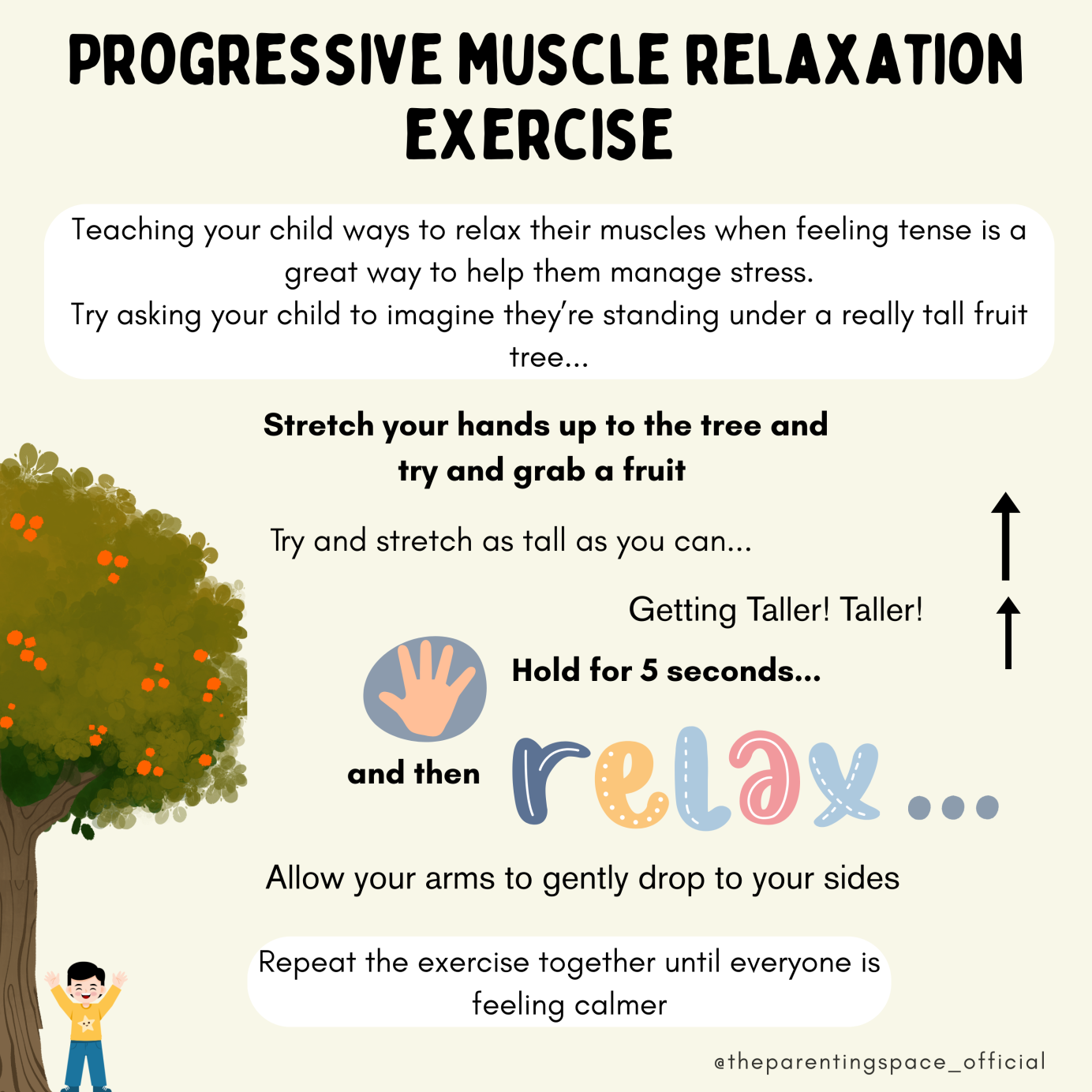
Teaching your child ways to relax their muscles when they are feeling tense can help them manage stress. Ask your child to imagine they are standing under a very tall fruit tree. Ask them to stretch their hands and arms up high, as if they are reaching up to grab a piece of fruit from the tree. Encourage your child to stretch as tall as they can. Say “get taller & taller.” Ask them to hold the stretch for five seconds. After five seconds, ask your child to gently allow their arms to drop down to their sides. Repeat this exercise together until everyone is feeling calmer

Progressive muscle relaxation exercise

A child‑friendly progressive muscle relaxation exercise that encourages children to stretch their arms up high as if reaching for fruit, hold the stretch for five seconds, then gently lower their arms to release tension. The helps children relax their muscles and manage stress.

A child‑friendly progressive muscle relaxation exercise that encourages children to stretch their arms up high as if reaching for fruit, hold the stretch for five seconds, then gently lower their arms to release tension. The helps children relax their muscles and manage stress.

Annie (practitioner)