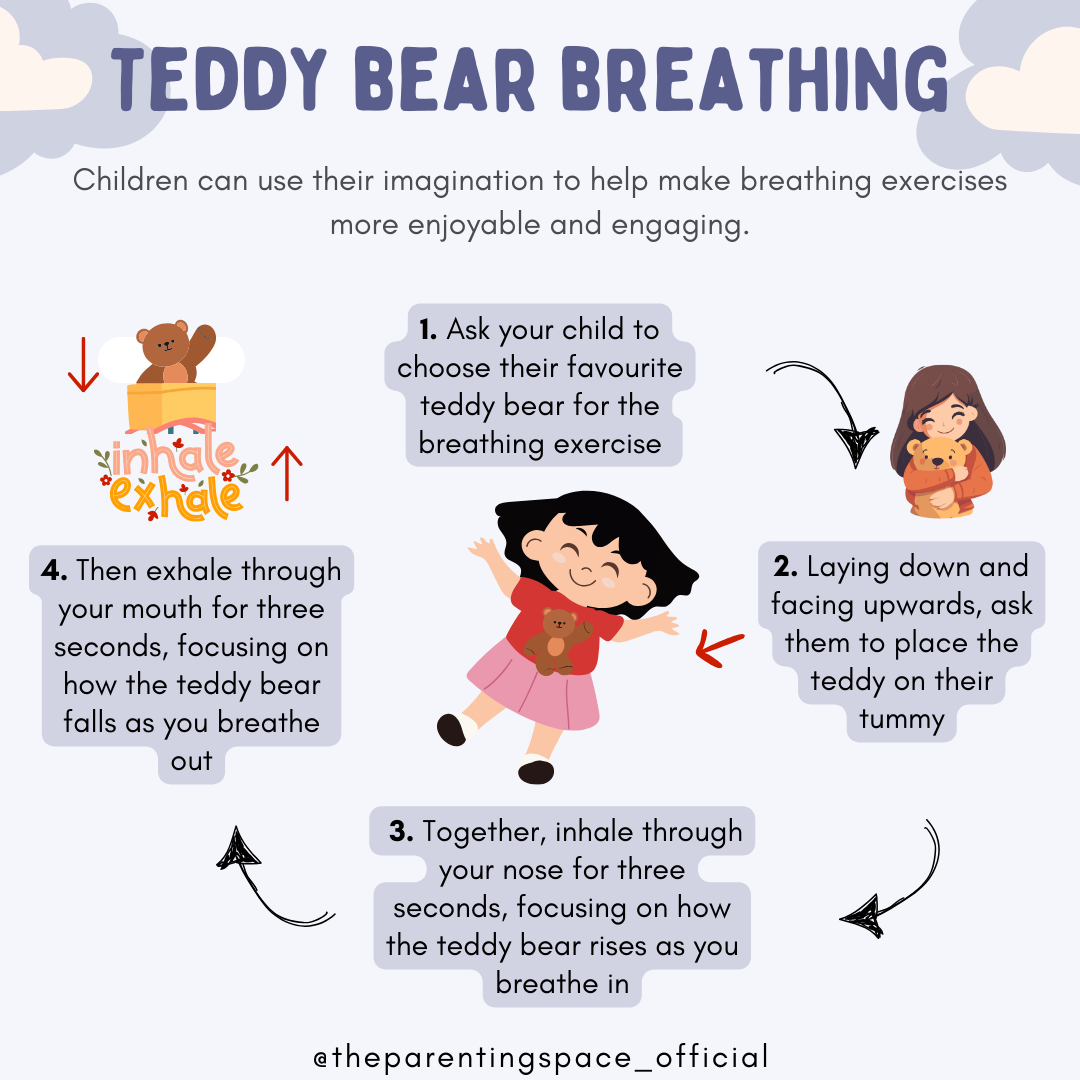
Teddy bear breathing
Tap into your child’s imagination to help them to engage with breathing exercises.
Tap into your child’s imagination to help them to engage with breathing exercises.


Tap into your child’s imagination to help them to engage with breathing exercises.
Tap into your child’s imagination to help them to engage with breathing exercises.
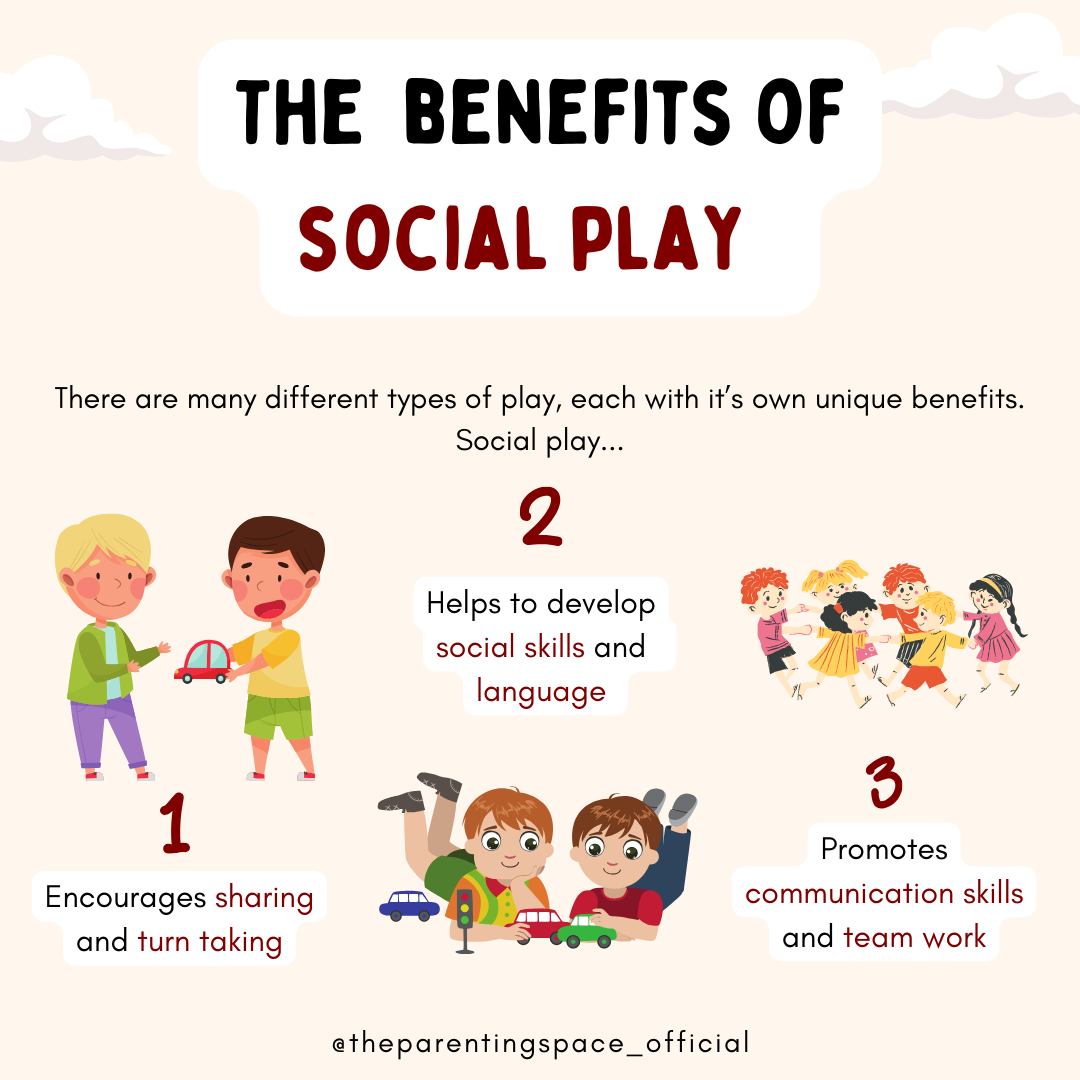
Social play helps to encourage children to learn about sharing and turn taking. It helps develop social skills and language whilst also promoting communication skills and team work.
Social play helps to encourage children to learn about sharing and turn taking. It helps develop social skills and language whilst also promoting communication skills and team work.

Imaginary play helps to develop story telling skills. It also promotes self-expression and encourages creativity and imagination.
Imaginary play helps to develop story telling skills. It also promotes self-expression and encourages creativity and imagination.
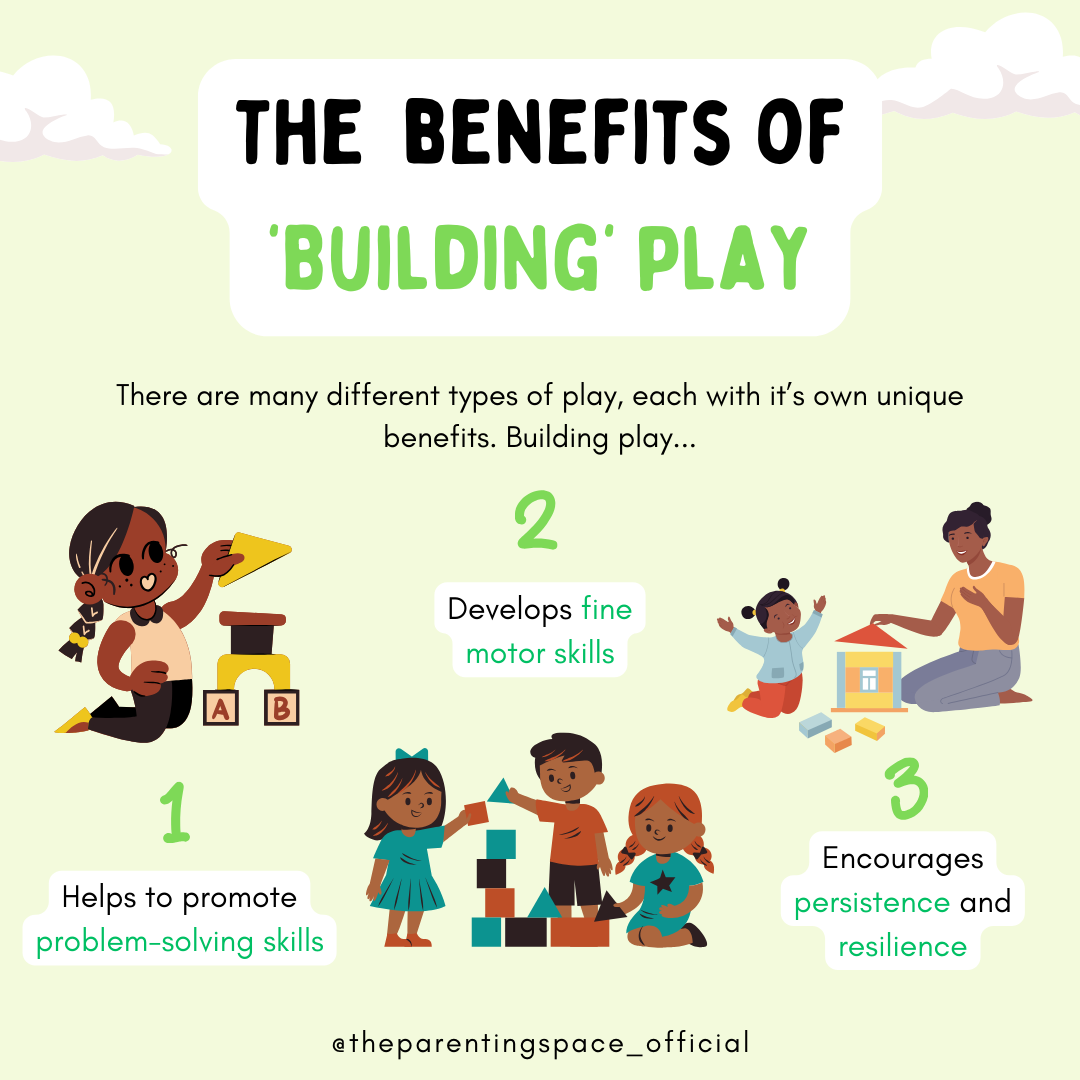
Building play helps to promote problem-solving skills. It also supports the development of fine motor skills and encourages persistence and resilience.
Building play helps to promote problem-solving skills. It also supports the development of fine motor skills and encourages persistence and resilience.
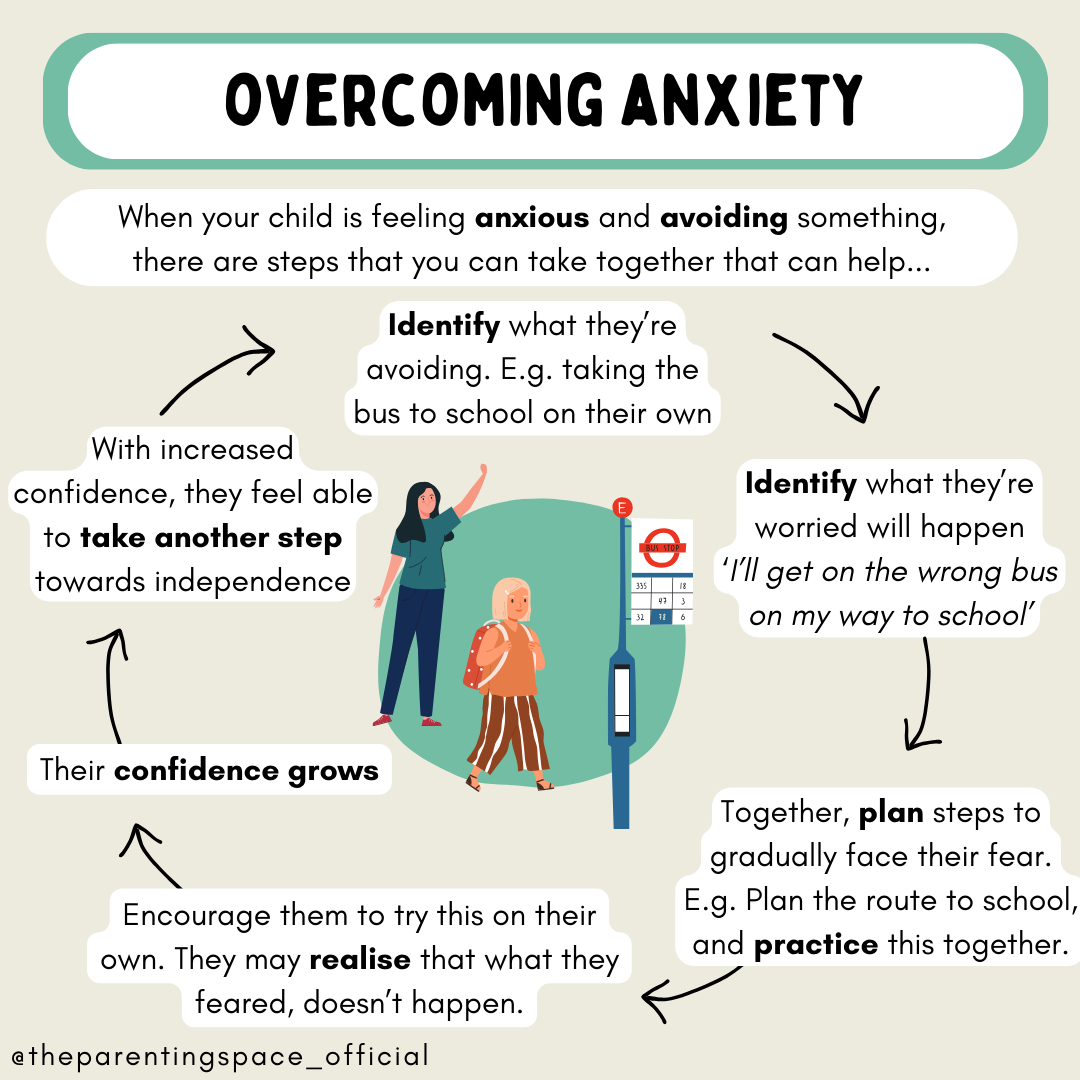
As parents, we may naturally want to shield our kids from distress, sometimes leading to avoiding challenging situations. Whilst this might offer short-term relief, it can sometimes limit opportunities to face and overcome their anxieties. Sometimes, supporting children to gradually face their fears can help them to develop confidence and coping skills.
As parents, we may naturally want to shield our kids from distress, sometimes leading to avoiding challenging situations. Whilst this might offer short-term relief, it can sometimes limit opportunities to face and overcome their anxieties. Sometimes, supporting children to gradually face their fears can help them to develop confidence and coping skills.

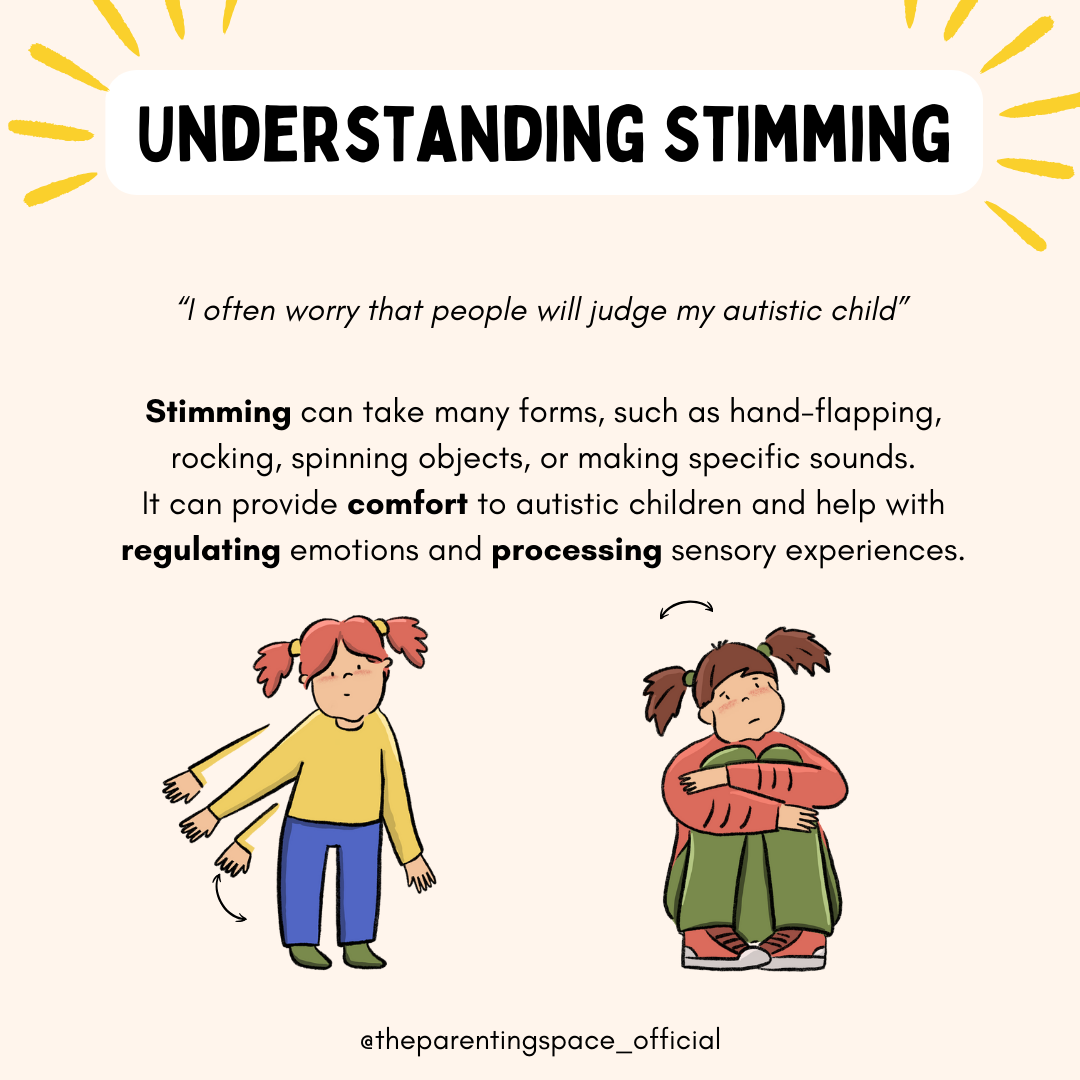
Stimming is a unique way that some autistic people use to express themselves and regulate their emotions and sensory experiences.
Stimming is a unique way that some autistic people use to express themselves and regulate their emotions and sensory experiences.


Focusing on fun activities that require concentration can help your child to switch off from worries that they can’t do anything about.
Focusing on fun activities that require concentration can help your child to switch off from worries that they can’t do anything about.

Parents, noticing opportunities to praise your child can help foster a supportive and encouraging environment.
Parents, noticing opportunities to praise your child can help foster a supportive and encouraging environment.

What did your parents want you to be when you were a child?
What did your parents want you to be when you were a child?


Caring for a child with additional needs can sometimes make it harder for parents to spend one-to-one time with each child. However, just 10 minutes of focused one-on-one time with your child can satisfy their need for attention much more effectively than 30 minutes of divided attention.
Caring for a child with additional needs can sometimes make it harder for parents to spend one-to-one time with each child. However, just 10 minutes of focused one-on-one time with your child can satisfy their need for attention much more effectively than 30 minutes of divided attention.