Starting a conversation about mental health

It can be difficult to know how to start a conversation about mental health with your autistic child. It can help to try talking whilst doing an activity, asking mainly closed, direct questions, and finding a communication style that works best for them, such as communicating through drawing or play.

It can be difficult to know how to start a conversation about mental health with your autistic child. It can help to try talking whilst doing an activity, asking mainly closed, direct questions, and finding a communication style that works best for them, such as communicating through drawing or play.

Annie (practitioner)

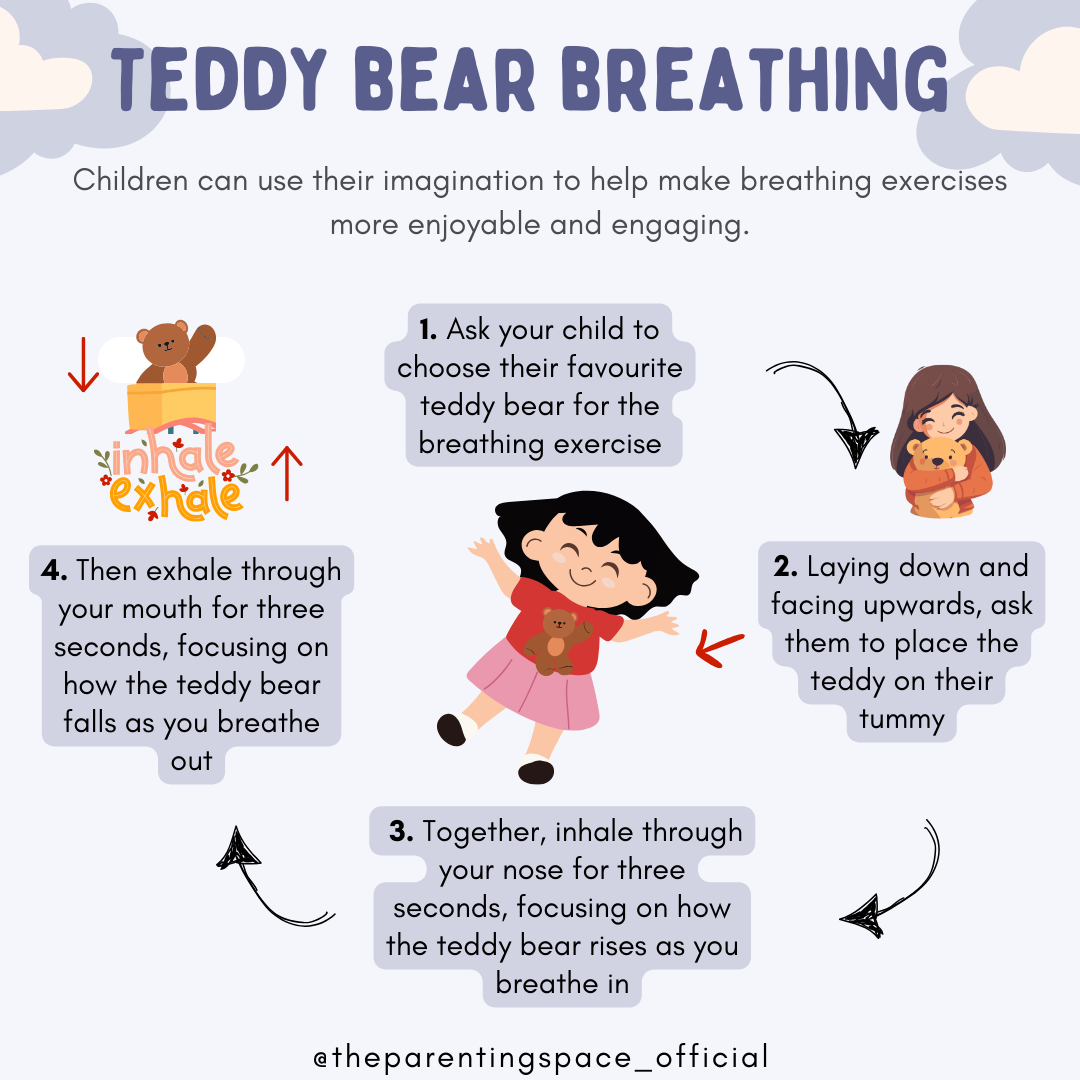
Teddy bear breathing

Tap into your child’s imagination to help them to engage with breathing exercises.

Tap into your child’s imagination to help them to engage with breathing exercises.

Annie (practitioner)

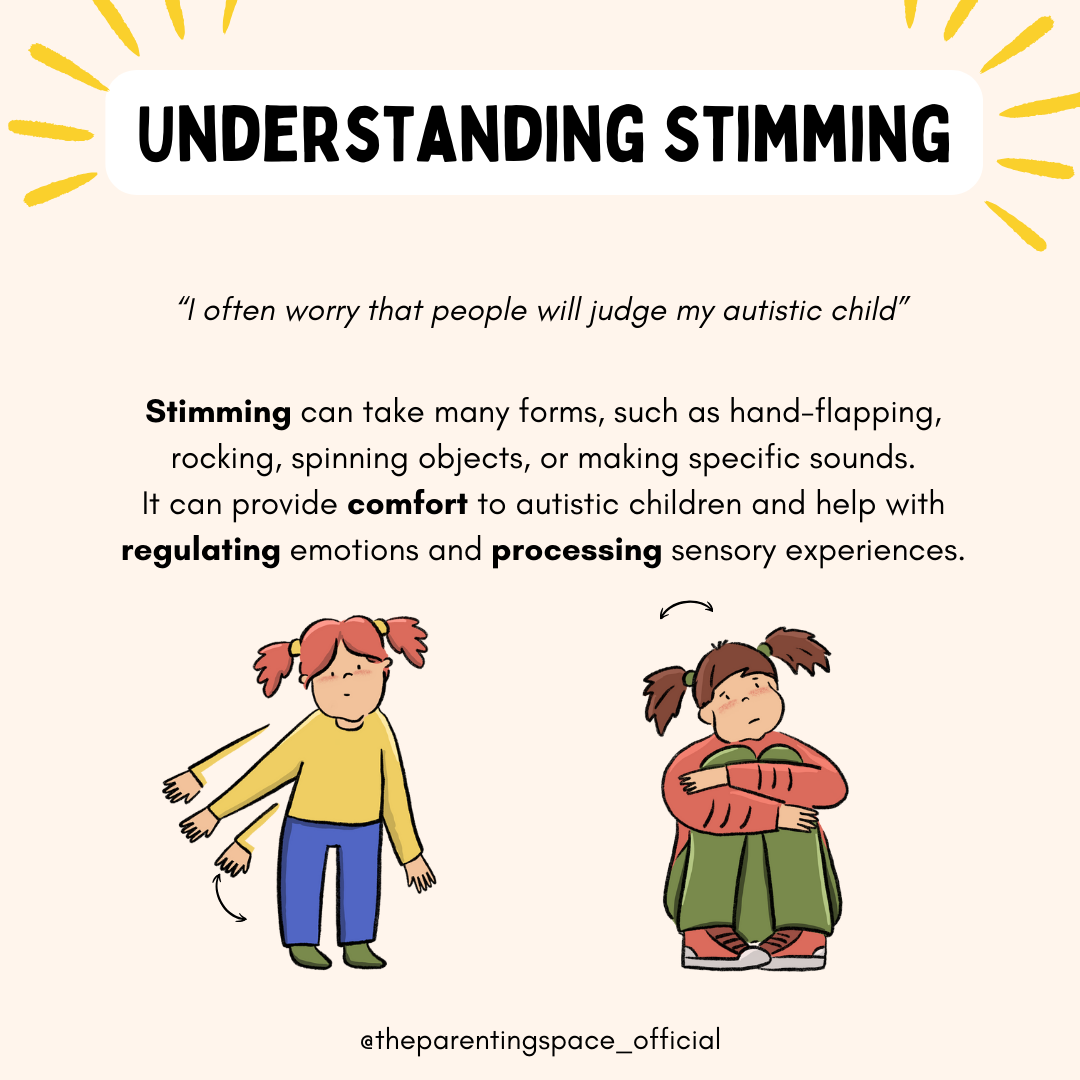
Importance of stimming

Stimming is a unique way that some autistic people use to express themselves and regulate their emotions and sensory experiences.

Stimming is a unique way that some autistic people use to express themselves and regulate their emotions and sensory experiences.

NADINE (PARENT + PRACTITIONER)

Quality over quantity

Caring for a child with additional needs can sometimes make it harder for parents to spend one-to-one time with each child. However, just 10 minutes of focused one-on-one time with your child can satisfy their need for attention much more effectively than 30 minutes of divided attention.

Caring for a child with additional needs can sometimes make it harder for parents to spend one-to-one time with each child. However, just 10 minutes of focused one-on-one time with your child can satisfy their need for attention much more effectively than 30 minutes of divided attention.

Nadine (Parent + practitioner)

Managing changes to routine during holidays

Change to routines during the holidays can be hard for autistic children who may prefer predictability, structure, and familiarity. Here are some ways to help support your child.

Change to routines during the holidays can be hard for autistic children who may prefer predictability, structure, and familiarity. Here are some ways to help support your child.

NADINE (PARENT + PRACTITIONER)

Autism and sleep

Parents, bedtime routines can help your child with autism to wind-down and prepare for sleep. Have a go at trying these at home.

Parents, bedtime routines can help your child with autism to wind-down and prepare for sleep. Have a go at trying these at home.

NADINE (PARENT + PRACTITIONER)

Supporting your neurodivergent child during the festive season

Tips to help support neurodivergent children during the festive season.

Tips to help support neurodivergent children during the festive season.

Annie (Practitioner)

Encouraging flexibility in your child with autism

Children with autism can sometimes have a hard time with flexibility. Here are some ways you can talk to your child and help them become more comfortable with being flexible.

Children with autism can sometimes have a hard time with flexibility. Here are some ways you can talk to your child and help them become more comfortable with being flexible.

Nadine (Parent + practitioner)

Create a ‘calm down’ space

Help your child to create a safe space when they’re feeling overwhelmed.

Help your child to create a safe space when they’re feeling overwhelmed.

Nadine (Parent + practitioner)

Encouraging independence

Help children learn skills by breaking them down into smaller steps.

Help children learn skills by breaking them down into smaller steps.

Nadine (Parent + practitioner)