Interoception & emotional regulation in autism

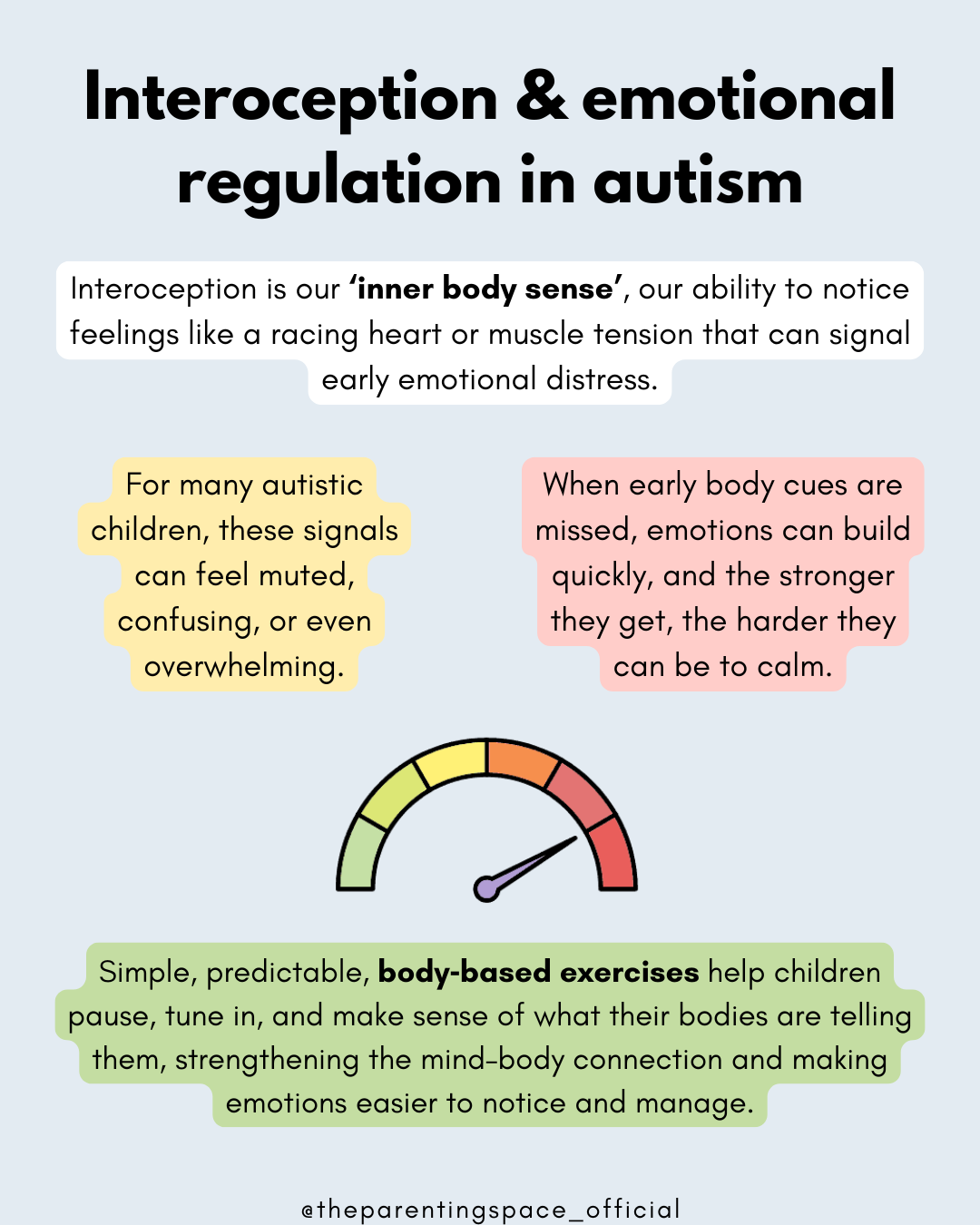
Interoception is the ability to notice and respond to signals from inside our bodies, such as hunger, tiredness, or stress. Recognising these body cues helps us understand how we are feeling and take action, like eating when we are hungry or resting when we are tired. Developing interoception can support emotional awareness and self-regulation.

Interoception is the ability to notice and respond to signals from inside our bodies, such as hunger, tiredness, or stress. Recognising these body cues helps us understand how we are feeling and take action, like eating when we are hungry or resting when we are tired. Developing interoception can support emotional awareness and self-regulation.

Annie (practitioner)

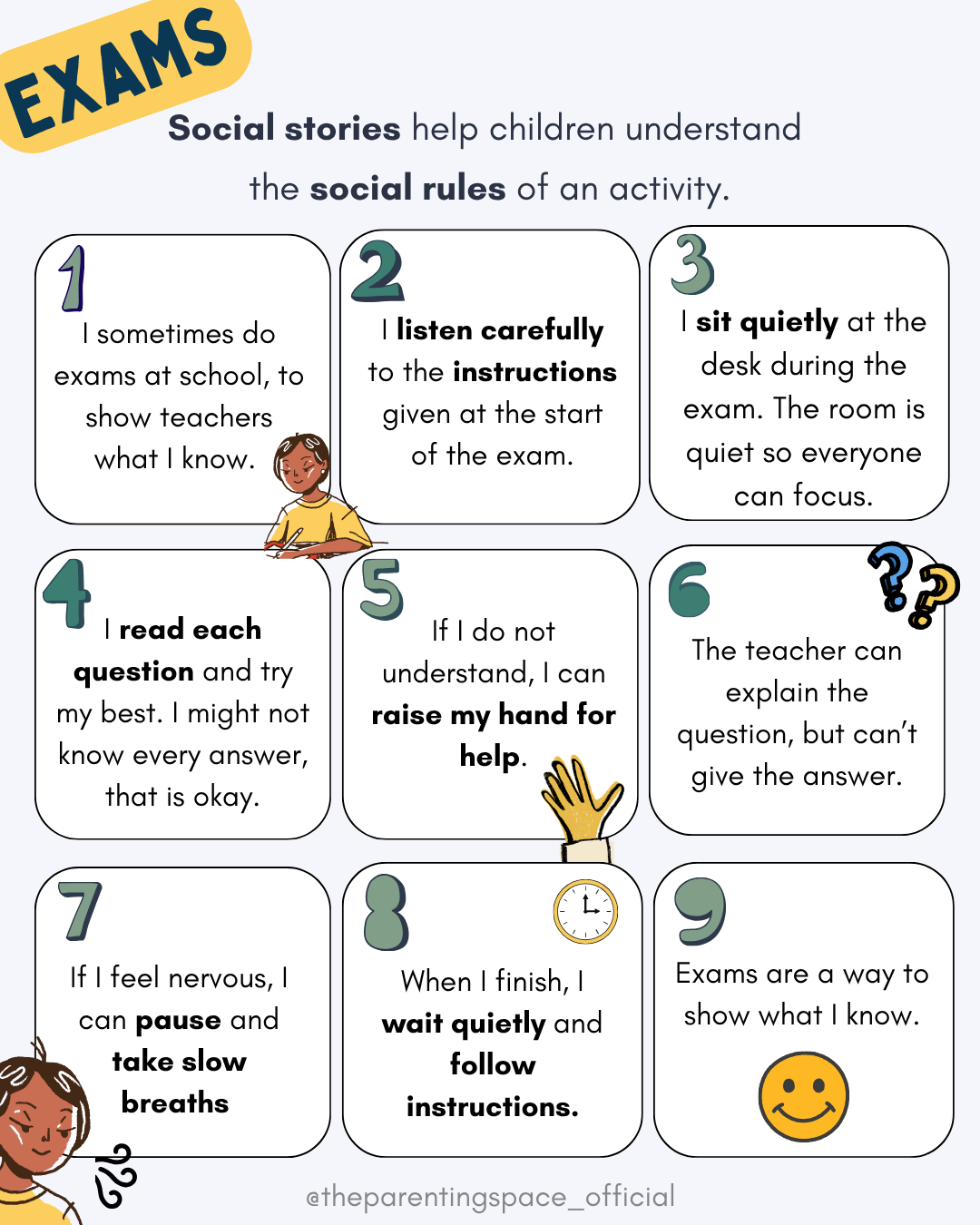
Preparing children for exams with a social story

Social stories can help children understand what to expect and the social rules of situations such as exams. This story explains that exams are a way to show what they know, encourages listening carefully, trying their best, asking for clarification when needed, managing feelings of nervousness with slow breaths, and following instructions throughout the exam.

Social stories can help children understand what to expect and the social rules of situations such as exams. This story explains that exams are a way to show what they know, encourages listening carefully, trying their best, asking for clarification when needed, managing feelings of nervousness with slow breaths, and following instructions throughout the exam.

Nadine (PARENT + PRACTITIONER)

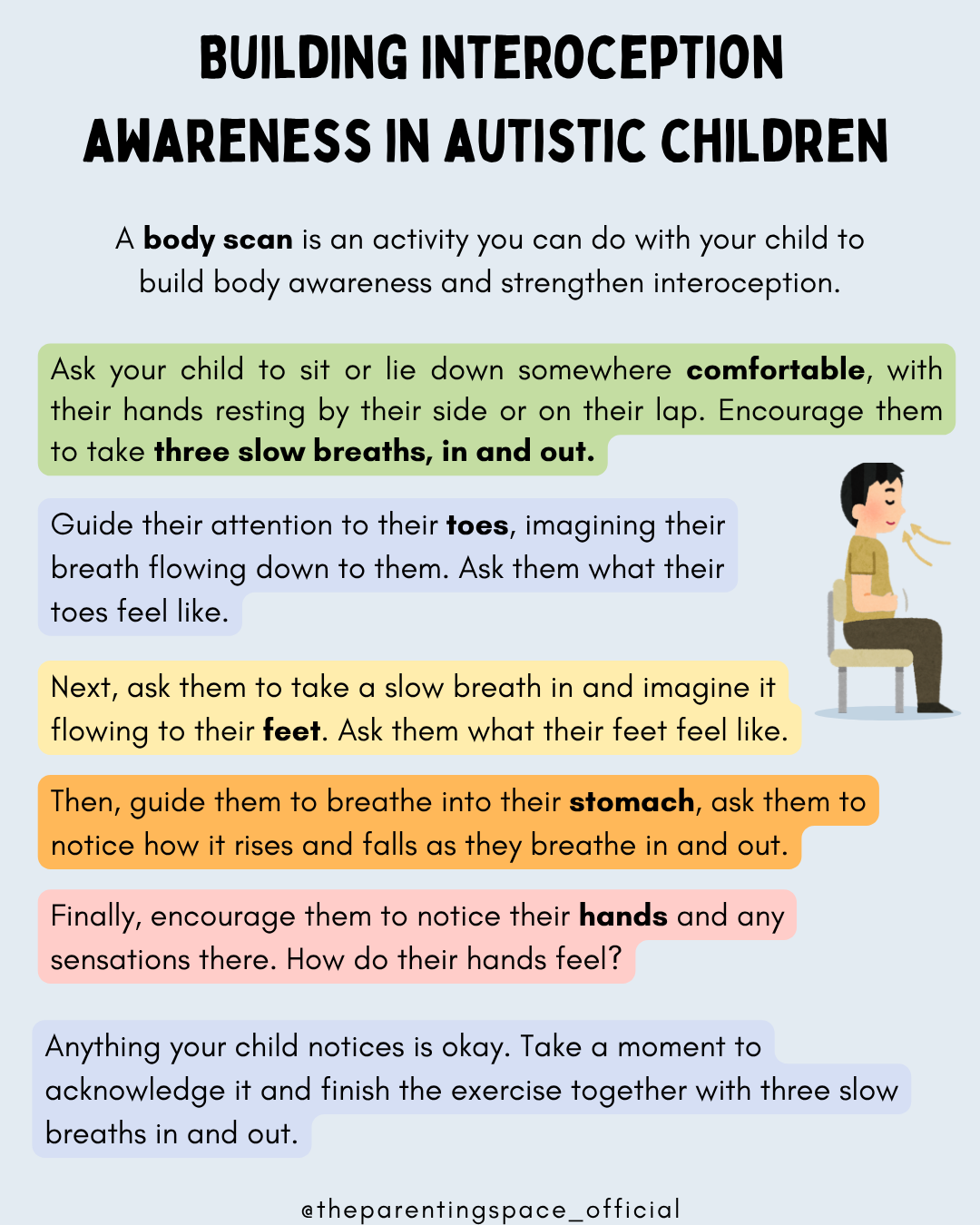
Building Interoception awareness

Interoception is our ‘inner body sense’, helping us notice signals like a racing heart or muscle tension that can indicate emotions. For many autistic children, these signals can be difficult to recognise. Simple, predictable body-based activities can help children tune into what their bodies are telling them, making emotions easier to notice, understand and manage.

Interoception is our ‘inner body sense’, helping us notice signals like a racing heart or muscle tension that can indicate emotions. For many autistic children, these signals can be difficult to recognise. Simple, predictable body-based activities can help children tune into what their bodies are telling them, making emotions easier to notice, understand and manage.

Nadine (PARENT + PRACTITIONER)