Starting a conversation about mental health

It can be difficult to know how to start a conversation about mental health with your autistic child. It can help to try talking whilst doing an activity, asking mainly closed, direct questions, and finding a communication style that works best for them, such as communicating through drawing or play.

It can be difficult to know how to start a conversation about mental health with your autistic child. It can help to try talking whilst doing an activity, asking mainly closed, direct questions, and finding a communication style that works best for them, such as communicating through drawing or play.

Annie (practitioner)

Gloomy glasses vs happy specs

Sometimes the way we feel can influence whether we notice the positive or the negative. When you next notice that you might be wearing ‘gloomy specs’, try practicing changing your perspective by noticing 3 positive things instead.

Sometimes the way we feel can influence whether we notice the positive or the negative. When you next notice that you might be wearing ‘gloomy specs’, try practicing changing your perspective by noticing 3 positive things instead.

Ruby (practitioner)

Distracting from worries

Focusing on fun activities that require concentration can help your child to switch off from worries that they can’t do anything about.

Focusing on fun activities that require concentration can help your child to switch off from worries that they can’t do anything about.

Ruby (Practitioner)

The magic praise ratio

Parents, noticing opportunities to praise your child can help foster a supportive and encouraging environment.

Parents, noticing opportunities to praise your child can help foster a supportive and encouraging environment.

Annie (Practitioner)

Quality over quantity

Caring for a child with additional needs can sometimes make it harder for parents to spend one-to-one time with each child. However, just 10 minutes of focused one-on-one time with your child can satisfy their need for attention much more effectively than 30 minutes of divided attention.

Caring for a child with additional needs can sometimes make it harder for parents to spend one-to-one time with each child. However, just 10 minutes of focused one-on-one time with your child can satisfy their need for attention much more effectively than 30 minutes of divided attention.

Nadine (Parent + practitioner)

Communicating with your newborn

When communicating with your newborn, getting up close helps your baby to watch the movements that you make with your face and connect the different sounds to your facial expressions.

When communicating with your newborn, getting up close helps your baby to watch the movements that you make with your face and connect the different sounds to your facial expressions.

Claire (Parent + practitioner)

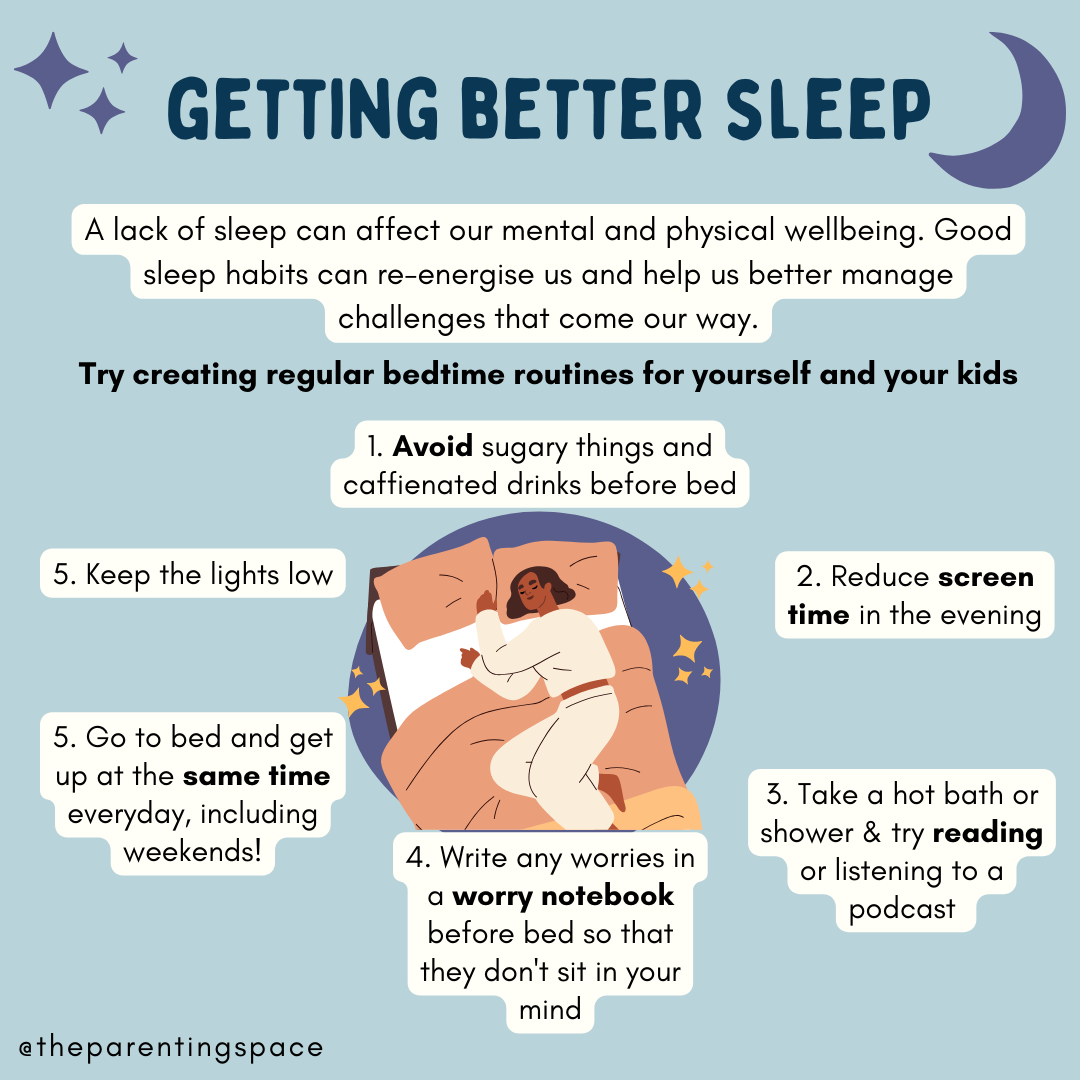
Getting better sleep

To celebrate World Sleep Day, we wanted to share some simple tips that can help contribute to a better night’s sleep.

To celebrate World Sleep Day, we wanted to share some simple tips that can help contribute to a better night’s sleep.

Ruby (Practitioner)

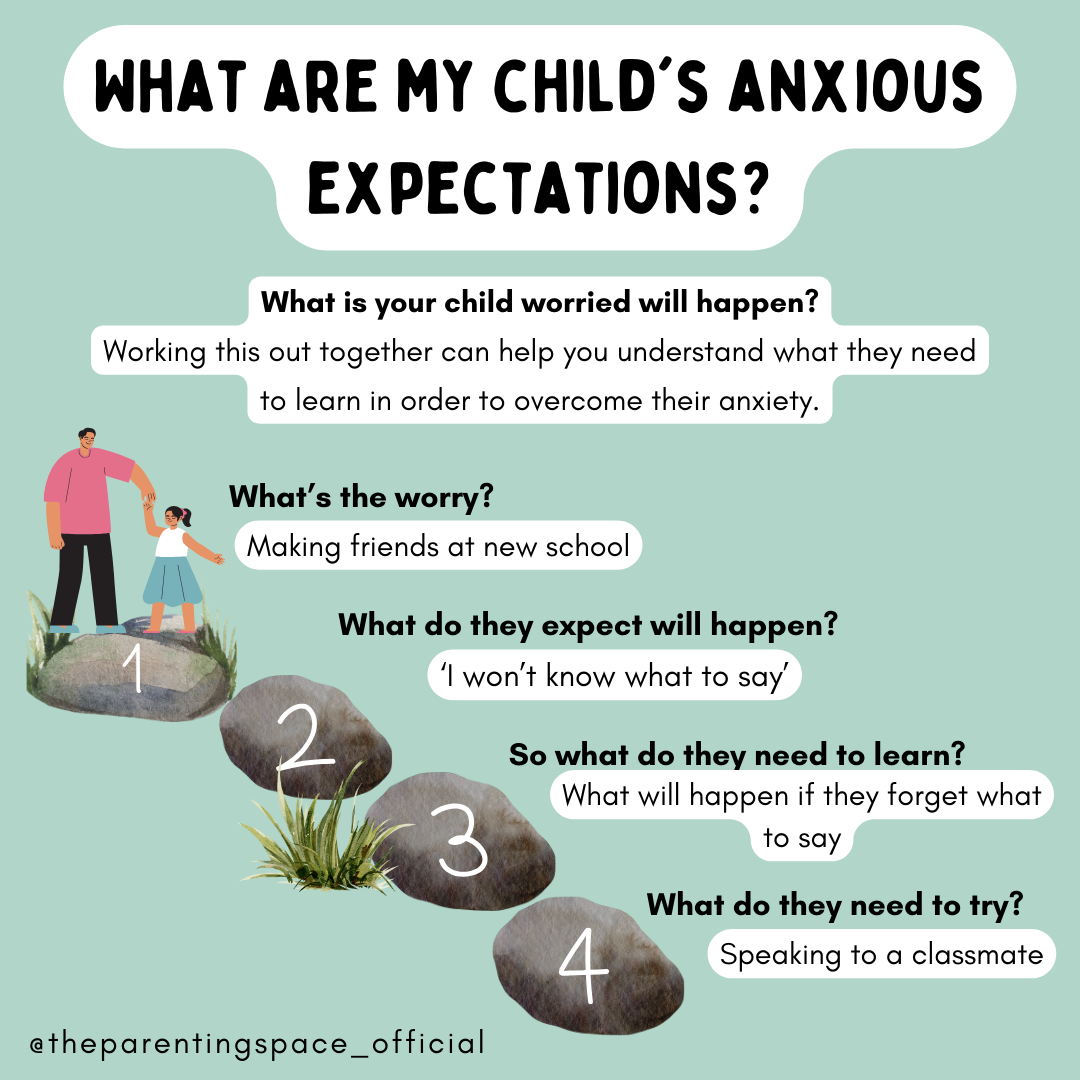
What are my child’s anxious expectations?

Identifying your child’s anxious expectations can help you to understand what they need to learn in order to overcome their anxiety.

Identifying your child’s anxious expectations can help you to understand what they need to learn in order to overcome their anxiety.

Ruby (Practitioner)

The power of noticing the positive

Focusing your attention on noticing and praising positive behaviour can help encourage more of it.

Focusing your attention on noticing and praising positive behaviour can help encourage more of it.

Annie (Practitioner)

The worry tree

Using a worry tree can help children to learn how to notice the difference between the worries that they can do something about and the worries that they can’t. Try giving this a go together, starting at the top, and working your way down the tree.

Using a worry tree can help children to learn how to notice the difference between the worries that they can do something about and the worries that they can’t. Try giving this a go together, starting at the top, and working your way down the tree.

Ruby (Practitioner)