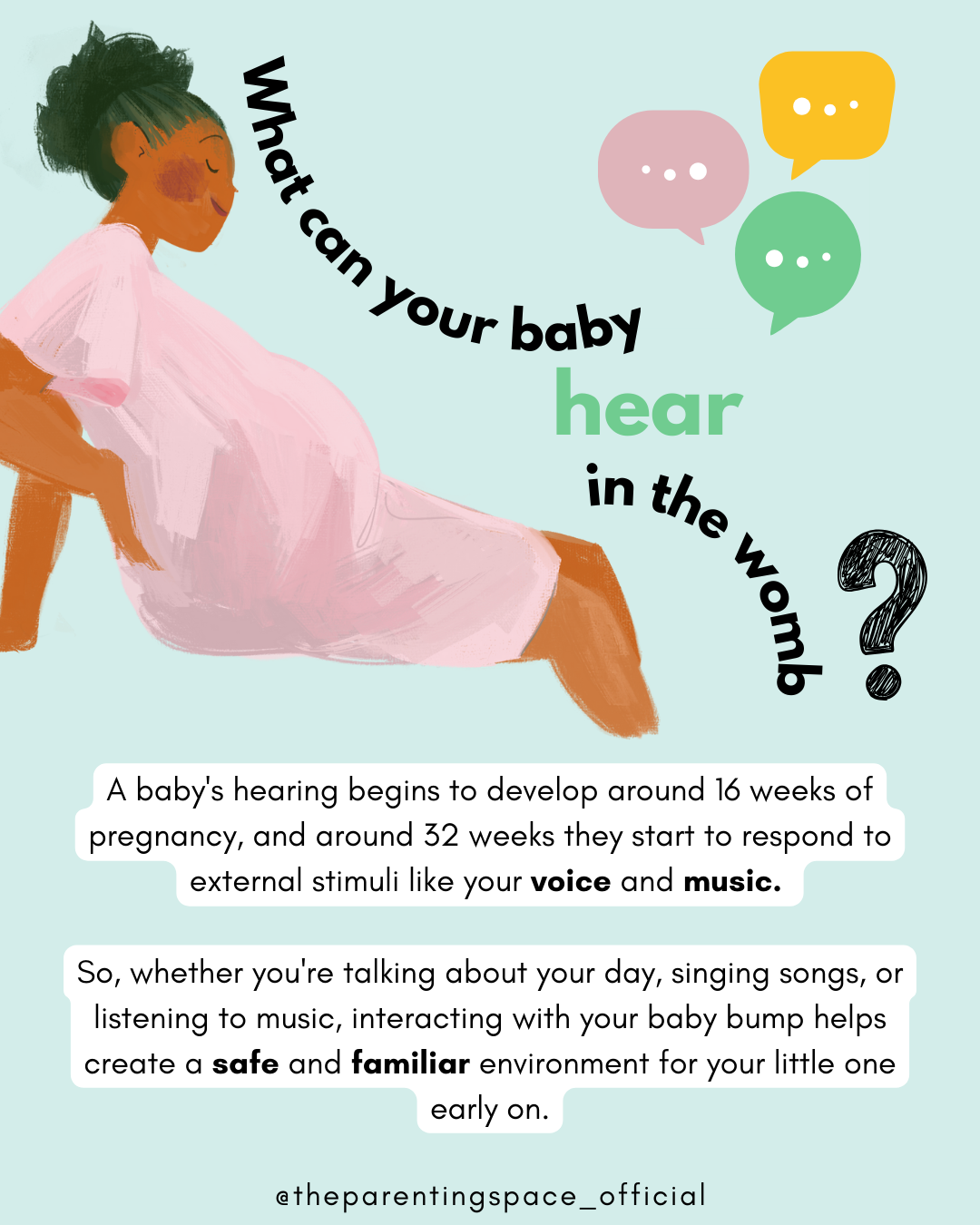
Talking to the womb
Interacting with your baby bump helps to build your bond and create a familiar environment for your baby early on.
Interacting with your baby bump helps to build your bond and create a familiar environment for your baby early on.


Interacting with your baby bump helps to build your bond and create a familiar environment for your baby early on.
Interacting with your baby bump helps to build your bond and create a familiar environment for your baby early on.
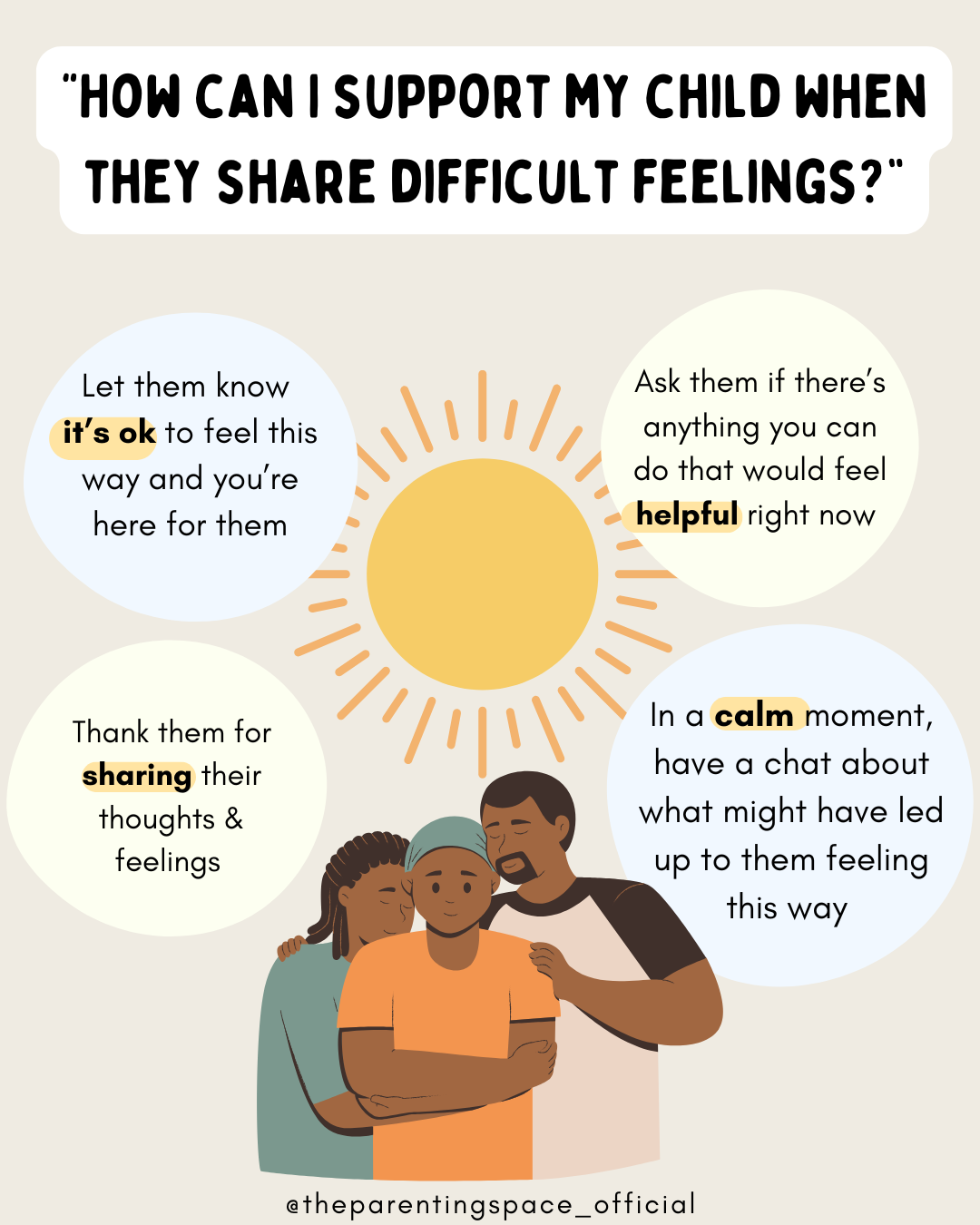
Here are some tips to help encourage your child to freely express their feelings when experiencing difficult emotions.
Here are some tips to help encourage your child to freely express their feelings when experiencing difficult emotions.

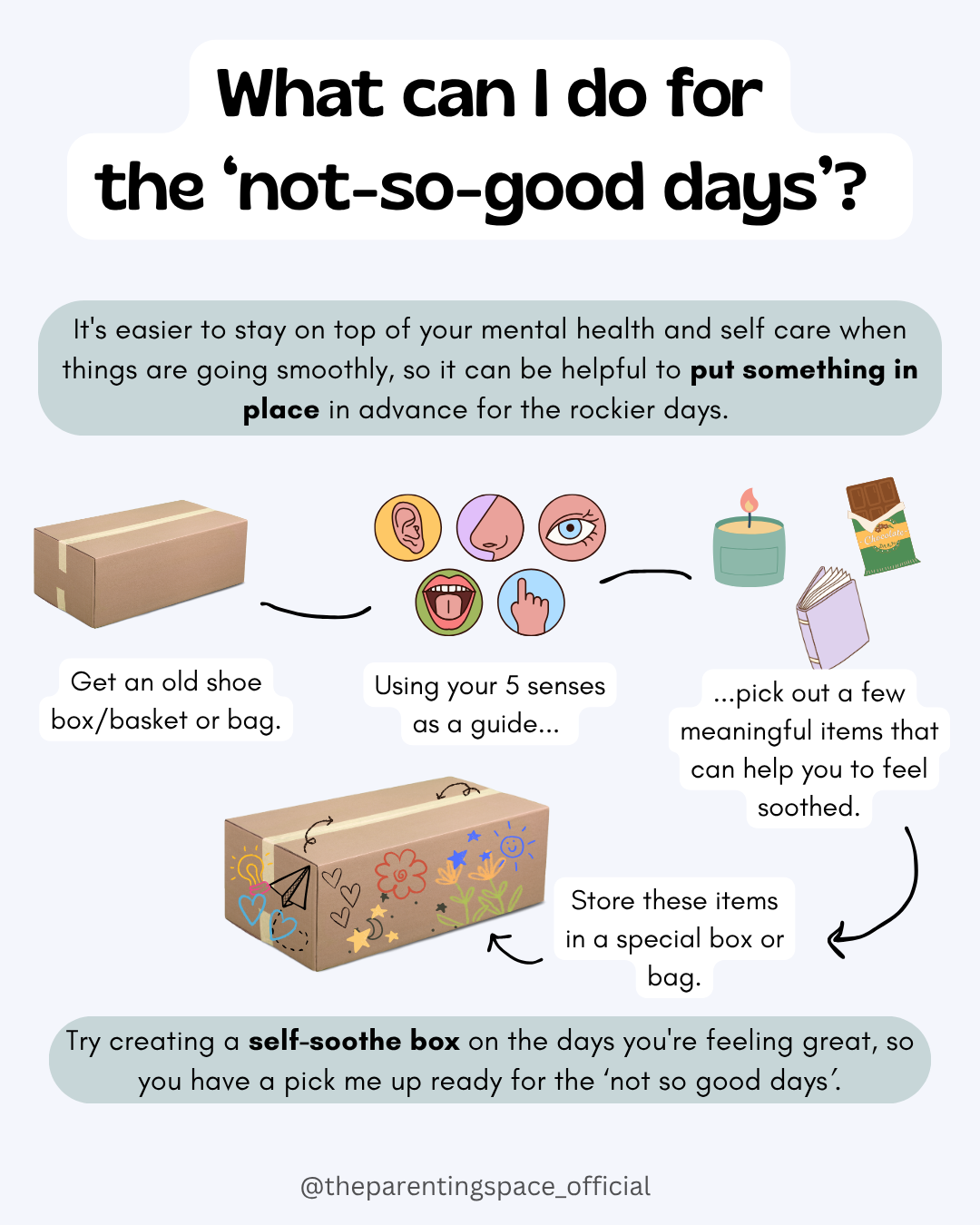
As parents, we sometimes face both uplifting and difficult days due to external pressures or internal struggles. On the better days, it can be helpful to plan ahead and put supports in place, so we feel more ready when the tougher days arrive. Prioritising our mental health not only helps us cope but also strengthens our ability to care for our children during challenging times.
As parents, we sometimes face both uplifting and difficult days due to external pressures or internal struggles. On the better days, it can be helpful to plan ahead and put supports in place, so we feel more ready when the tougher days arrive. Prioritising our mental health not only helps us cope but also strengthens our ability to care for our children during challenging times.
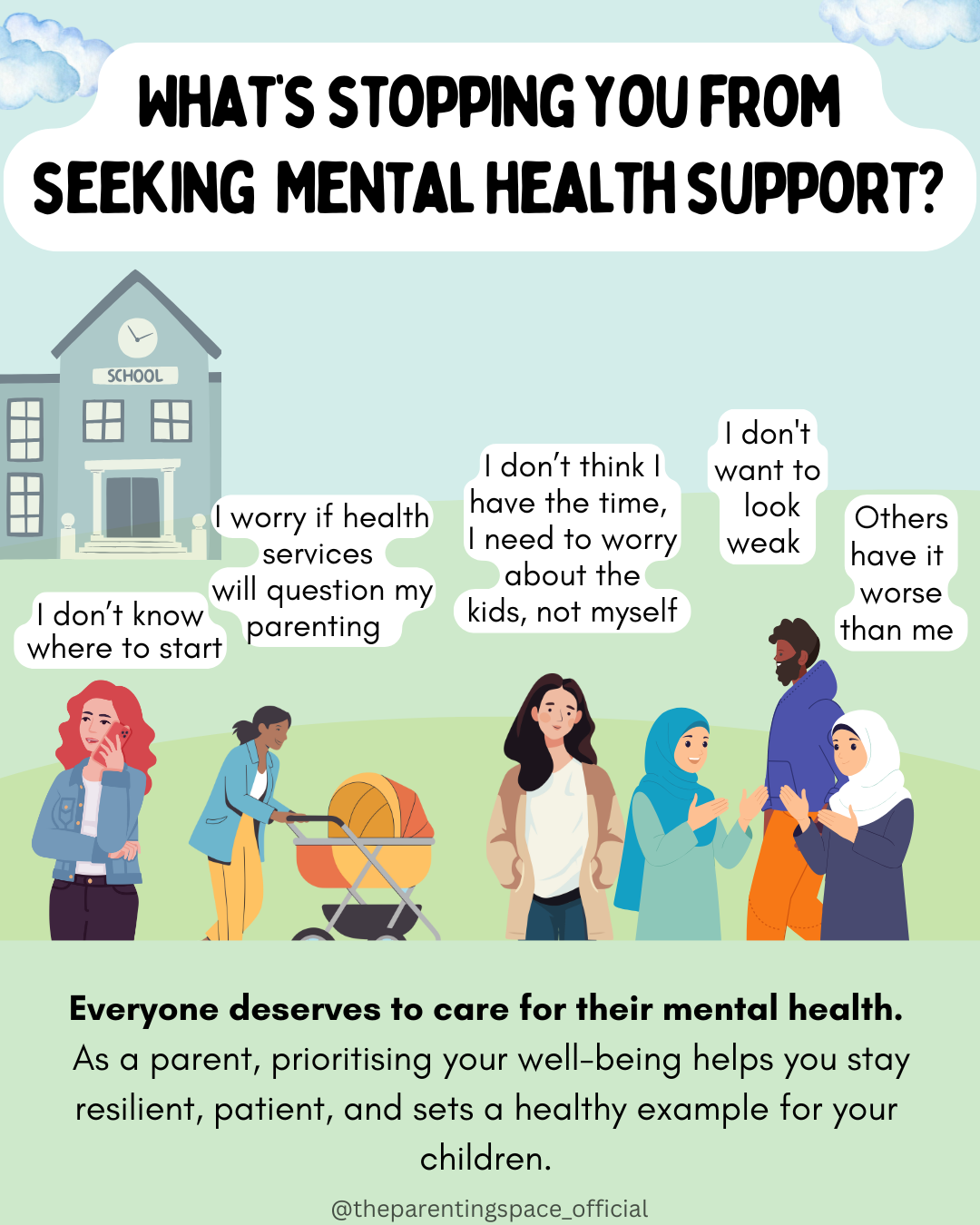
We wanted to highlight some of the common thoughts we have when we think about seeking support. Let’s remind ourselves that we all deserve support for our mental health.
We wanted to highlight some of the common thoughts we have when we think about seeking support. Let’s remind ourselves that we all deserve support for our mental health.
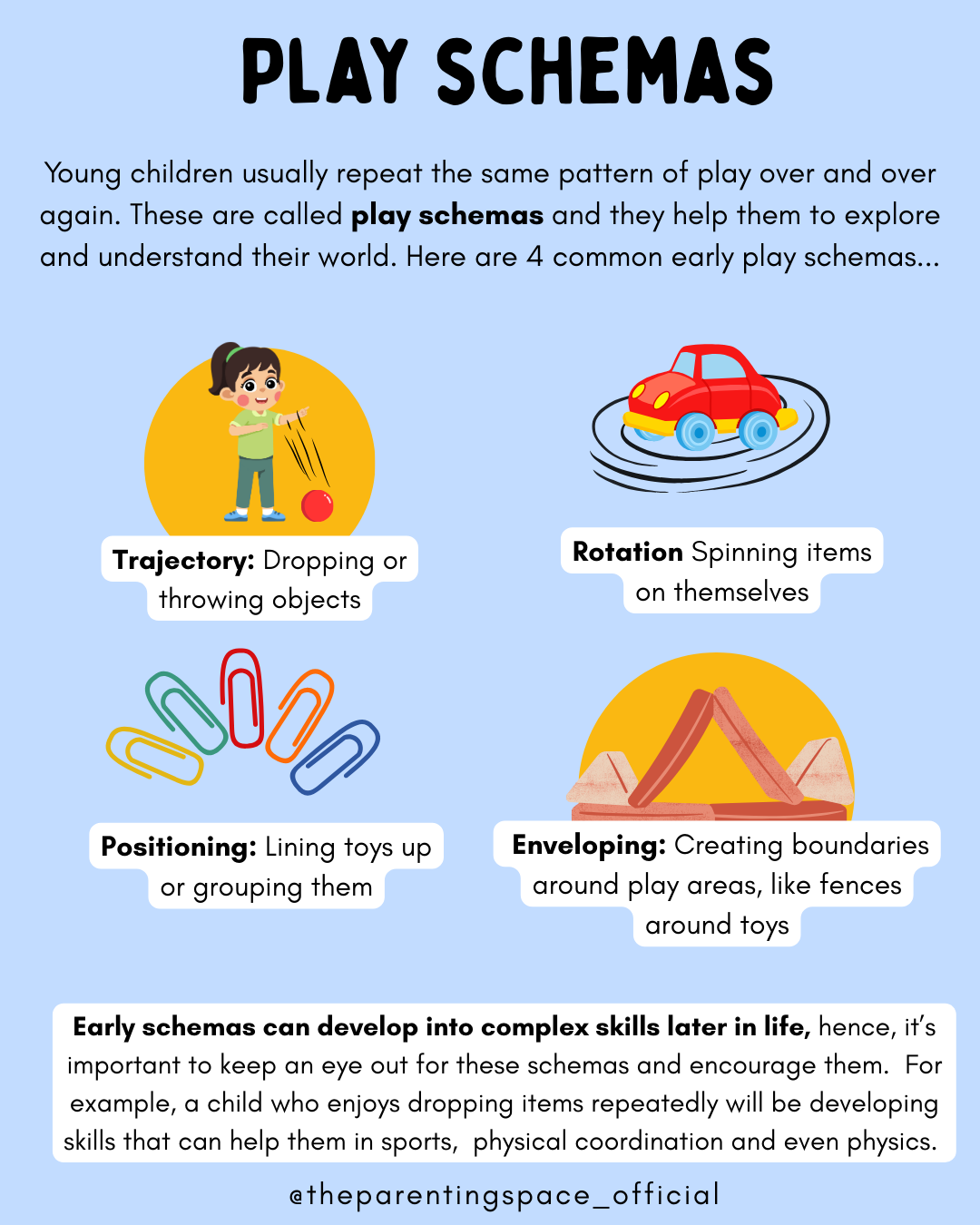
Play schemas can help young children to explore and understand their world.
Play schemas can help young children to explore and understand their world.

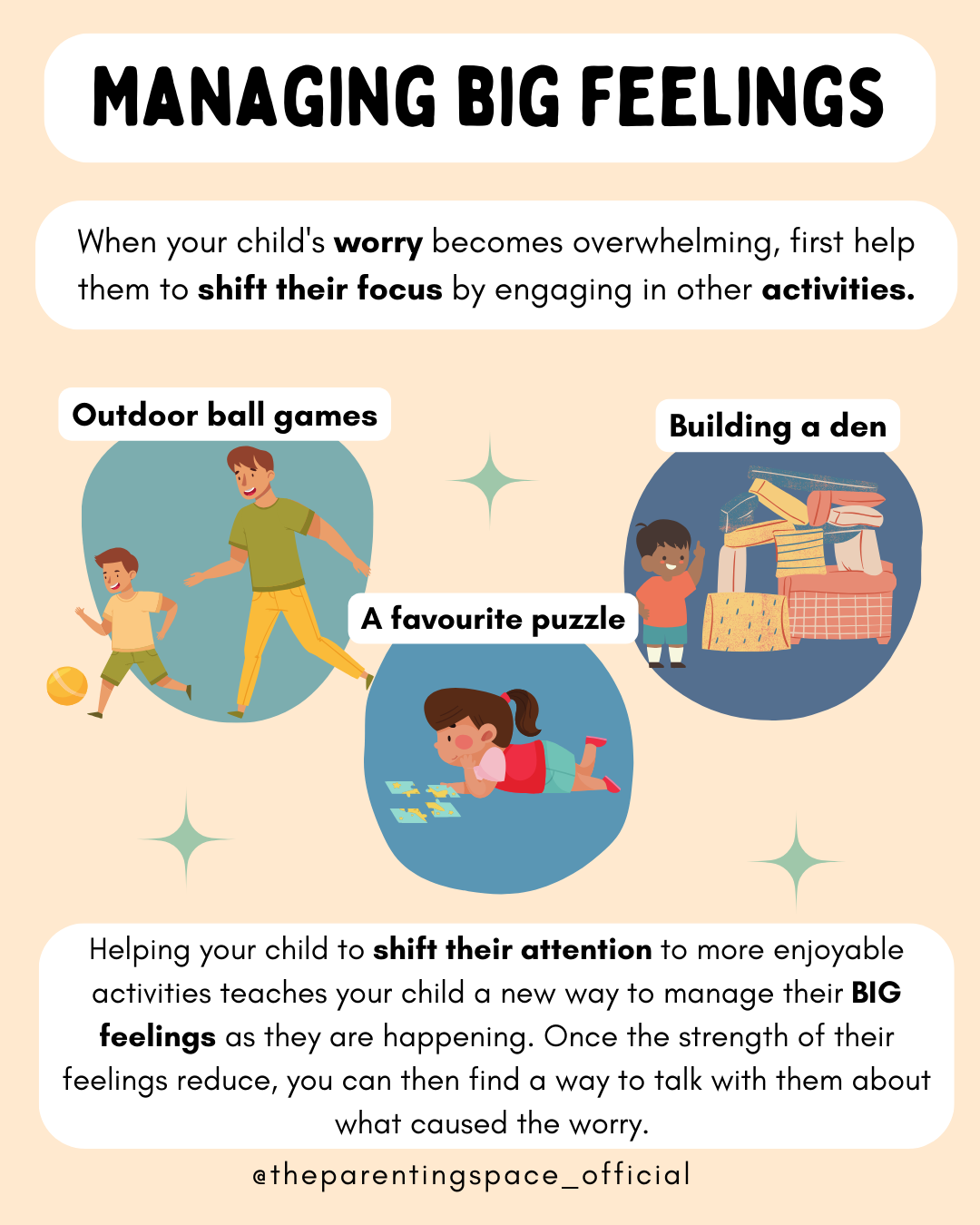
Focusing on fun activities that require concentration can help your child to switch off from worries that they can’t do anything about.
Focusing on fun activities that require concentration can help your child to switch off from worries that they can’t do anything about.
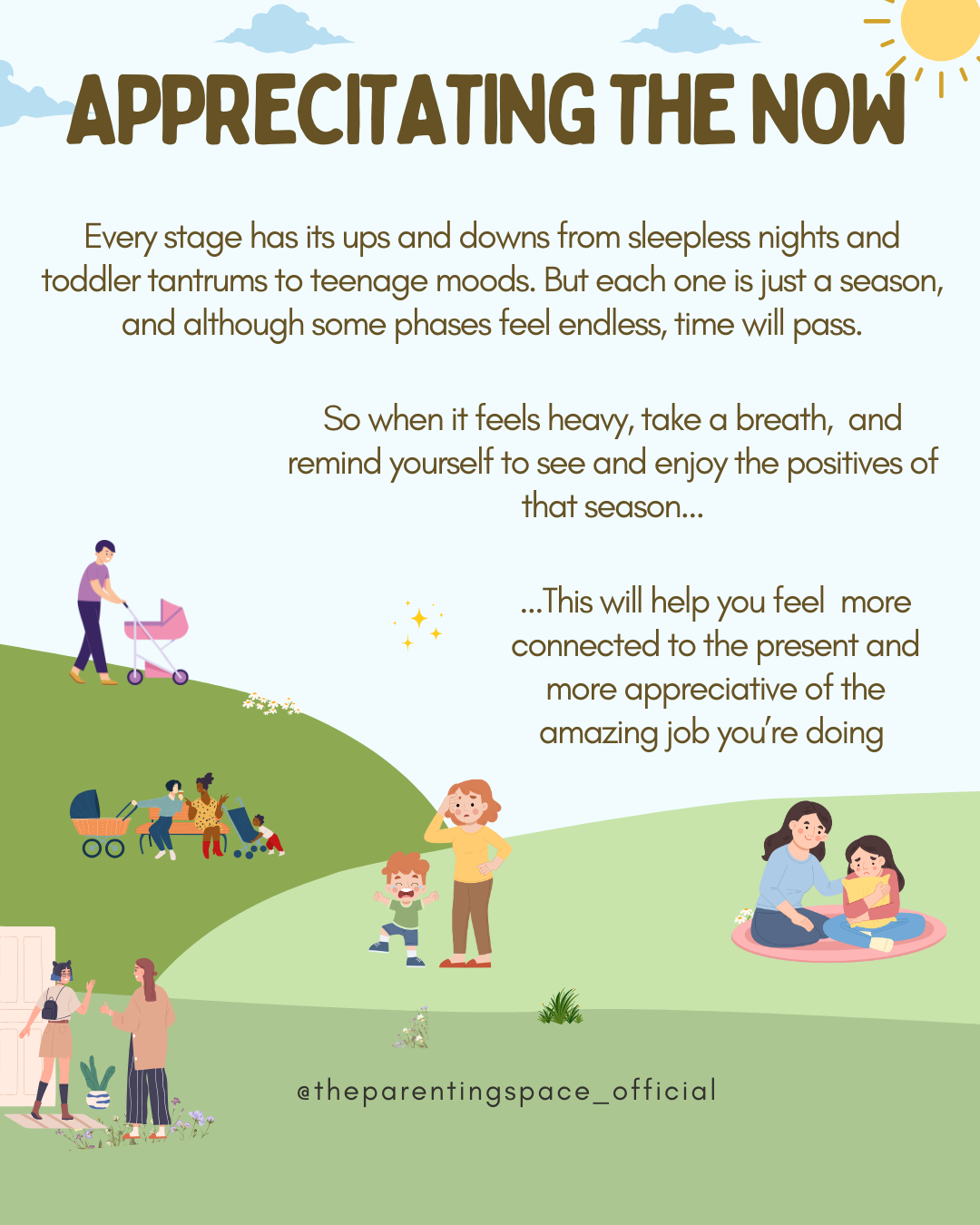
Every stage of your child’s development has its ups and downs. So when it feels heavy, take a breath, and remind yourself to see and enjoy the positives of that season.
Every stage of your child’s development has its ups and downs. So when it feels heavy, take a breath, and remind yourself to see and enjoy the positives of that season.

Communication between autistic and non-autistic people can be challenging due to differences in how we experience and interpret the world. These misunderstandings are mutual, not simply a result of autistic traits. Many autistic people communicate effectively just in a different way. Our third post of this segment focuses on ‘special interest’ and how engaging in conversations about these subjects can be a meaningful way to connect.
Communication between autistic and non-autistic people can be challenging due to differences in how we experience and interpret the world. These misunderstandings are mutual, not simply a result of autistic traits. Many autistic people communicate effectively just in a different way. Our third post of this segment focuses on ‘special interest’ and how engaging in conversations about these subjects can be a meaningful way to connect.

Communication between autistic and non-autistic people can be challenging due to differences in how we experience and interpret the world. These misunderstandings are mutual, not simply a result of autistic traits. Many autistic people communicate effectively just in a different way. Our second post of this segment focuses on body language, facial expressions, and gestures.
Communication between autistic and non-autistic people can be challenging due to differences in how we experience and interpret the world. These misunderstandings are mutual, not simply a result of autistic traits. Many autistic people communicate effectively just in a different way. Our second post of this segment focuses on body language, facial expressions, and gestures.

Communication between autistic and non-autistic people can be challenging due to differences in how we experience and interpret the world. These misunderstandings are mutual, not simply a result of autistic traits. Many autistic people communicate effectively, just in a different way. Our first post of this segment focuses on using clear and direct language to help bridge the gap.
Communication between autistic and non-autistic people can be challenging due to differences in how we experience and interpret the world. These misunderstandings are mutual, not simply a result of autistic traits. Many autistic people communicate effectively, just in a different way. Our first post of this segment focuses on using clear and direct language to help bridge the gap.