What is in our control (Festive edition)

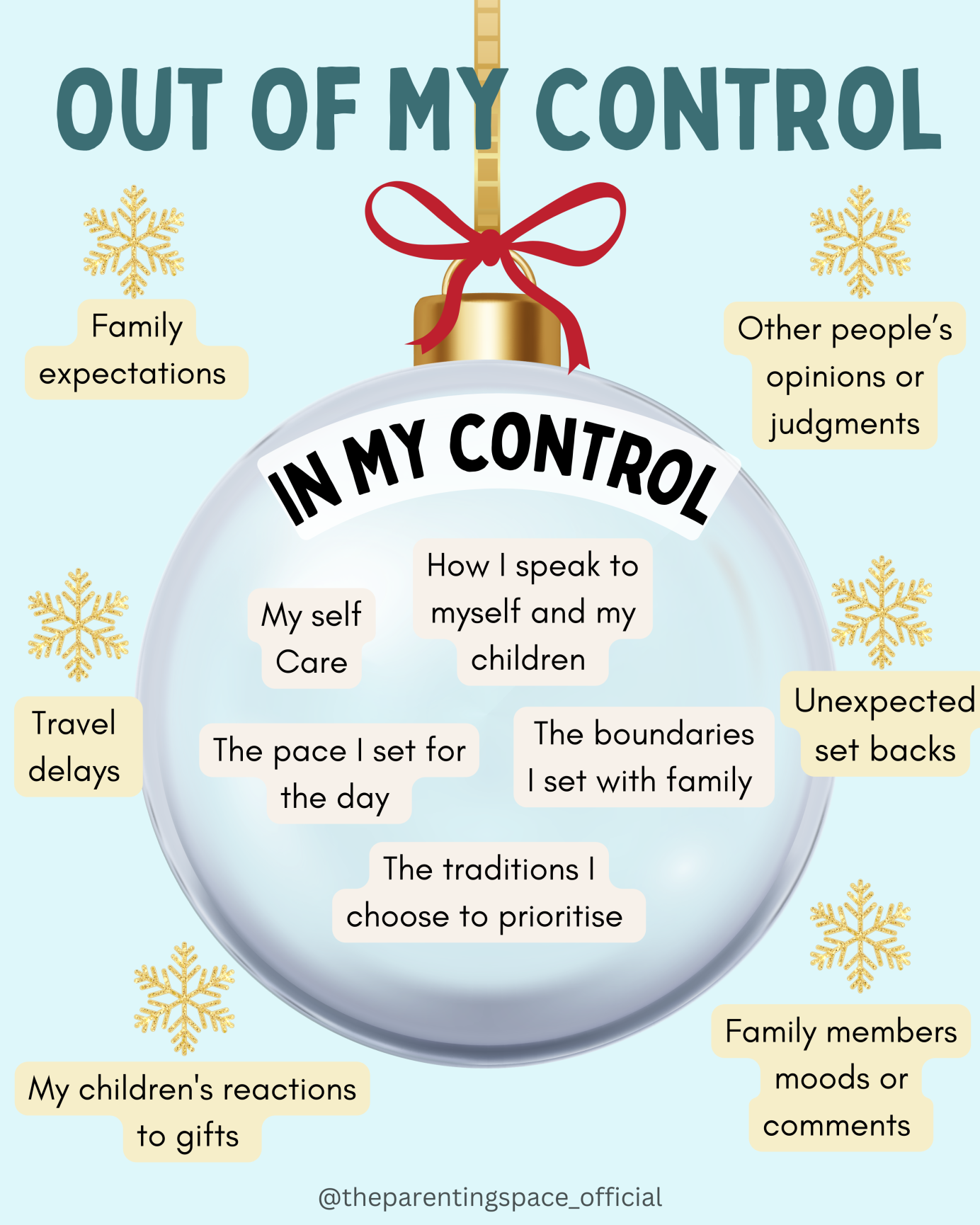
Noticing what we can control, whilst letting go of what we can’t, can help us to focus our time and energy on the things that can have a truly positive impact on our festive experience.

Noticing what we can control, whilst letting go of what we can’t, can help us to focus our time and energy on the things that can have a truly positive impact on our festive experience.

Annie (Practitioner)

Welcoming your baby into the family

New-born traditions look different from family to family. How did you welcome your baby into the family?

New-born traditions look different from family to family. How did you welcome your baby into the family?

Claire (Parent + professional)

The power of ‘When and Then’ language

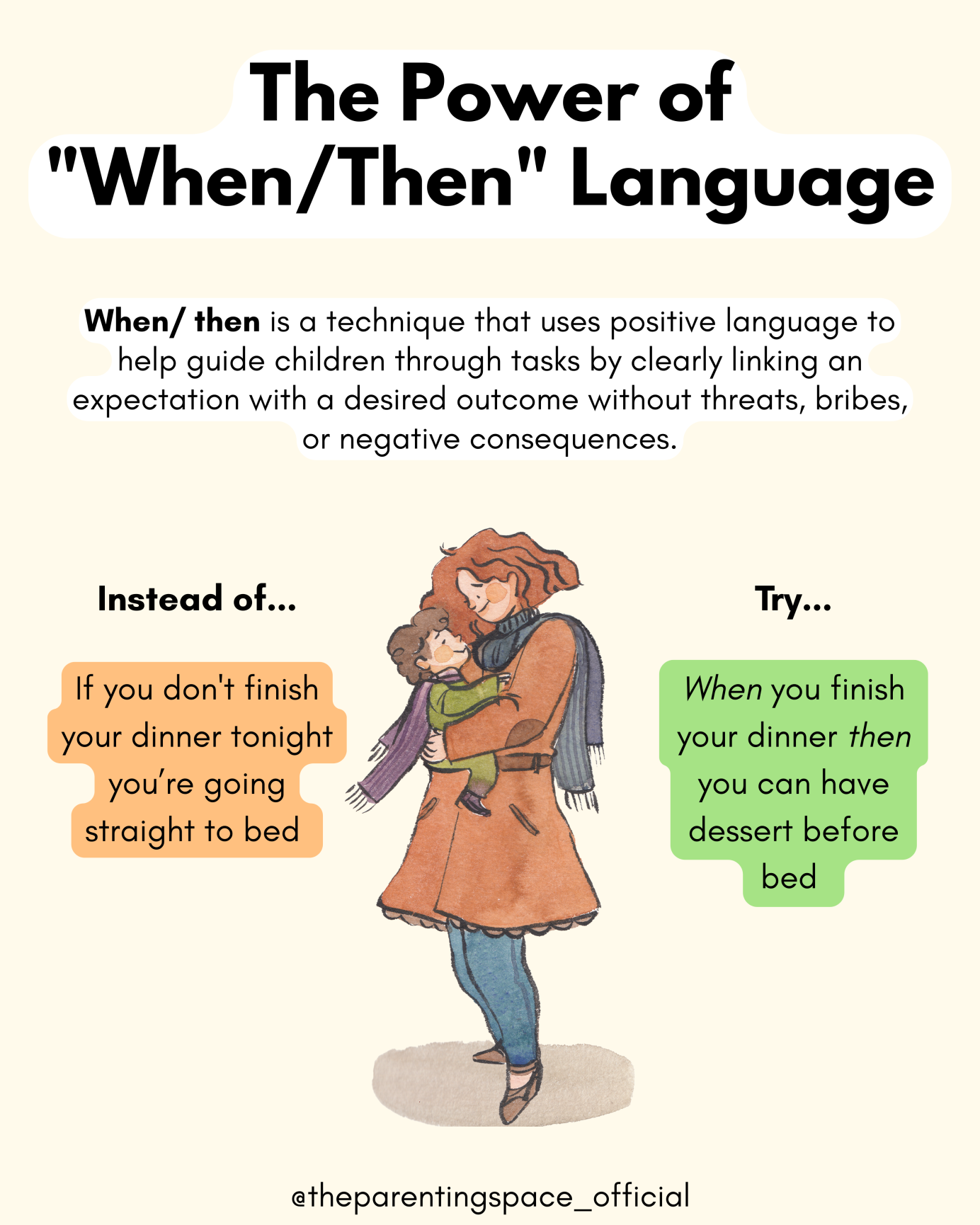
When/then statements frame expectations in a calm, clear, and positive way. Instead of focusing on what the child can’t do until a task is done, you’re focusing on the positive outcome when they do complete the task.

When/then statements frame expectations in a calm, clear, and positive way. Instead of focusing on what the child can’t do until a task is done, you’re focusing on the positive outcome when they do complete the task.

Annie (Practitioner)

The spoon theory

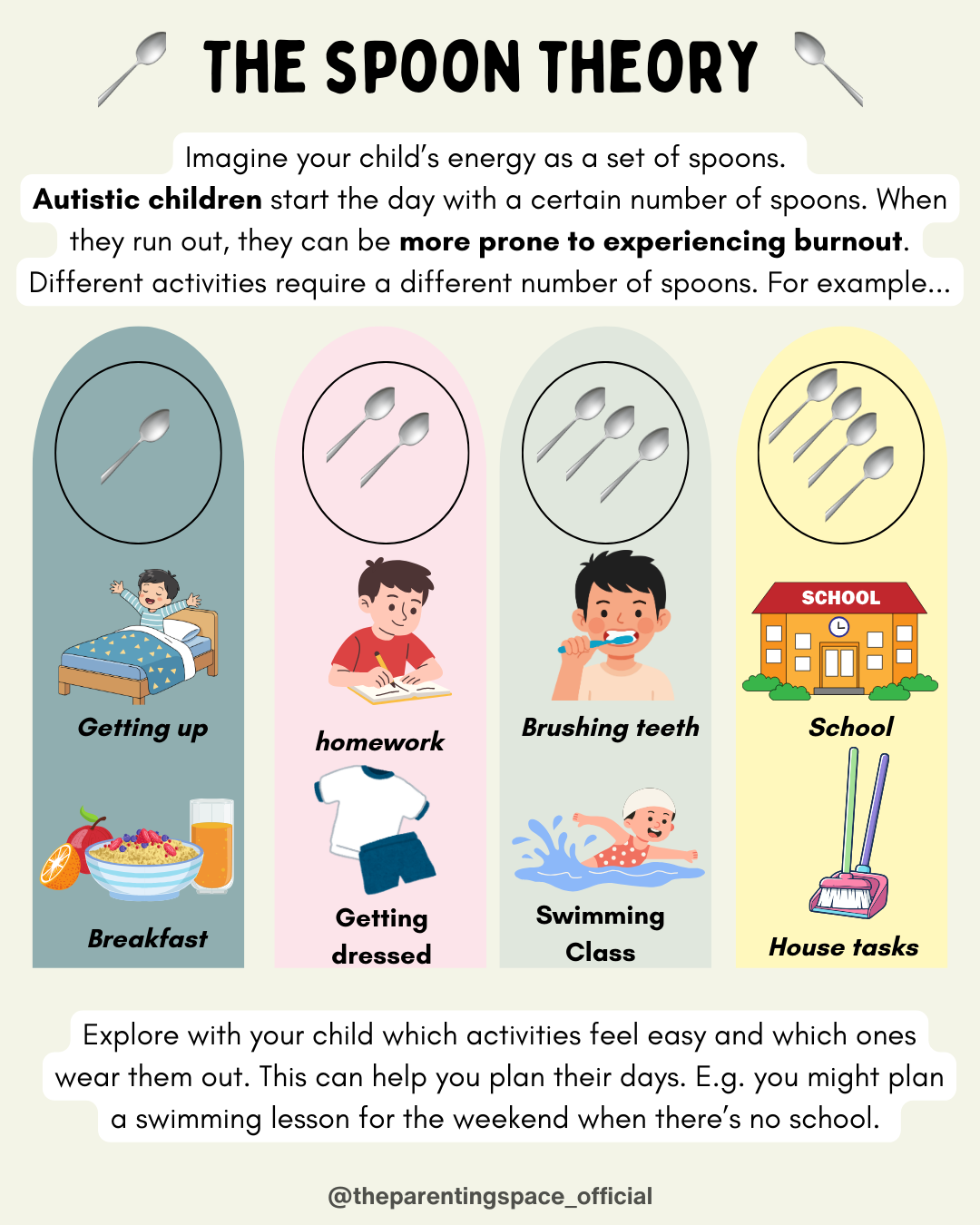
Autistic children often start the day with a limited amount of energy. When that energy runs low, they may be more likely to experience overwhelm or burnout.

Try noticing (or gently exploring together in ways that suit your child) which activities feel comfortable and which ones are more draining to them. This might be through words, play, visuals, or behaviour cues. Understanding these patterns can help you plan days that better support your child’s needs.

Autistic children often start the day with a limited amount of energy. When that energy runs low, they may be more likely to experience overwhelm or burnout.

Try noticing (or gently exploring together in ways that suit your child) which activities feel comfortable and which ones are more draining to them. This might be through words, play, visuals, or behaviour cues. Understanding these patterns can help you plan days that better support your child’s needs.

Nadine (parent + practitioner)

Skip the festive comparison

Social media often highlights the polished, ‘picture perfect’ moments rather than the full story. It’s easy to compare our reality to someone else’s highlights but it’s also helpful to remind ourselves that perfection is neither realistic, nor the goal.

Social media often highlights the polished, ‘picture perfect’ moments rather than the full story. It’s easy to compare our reality to someone else’s highlights but it’s also helpful to remind ourselves that perfection is neither realistic, nor the goal.

Annie (Practitioner)

Self-expectation for the new year

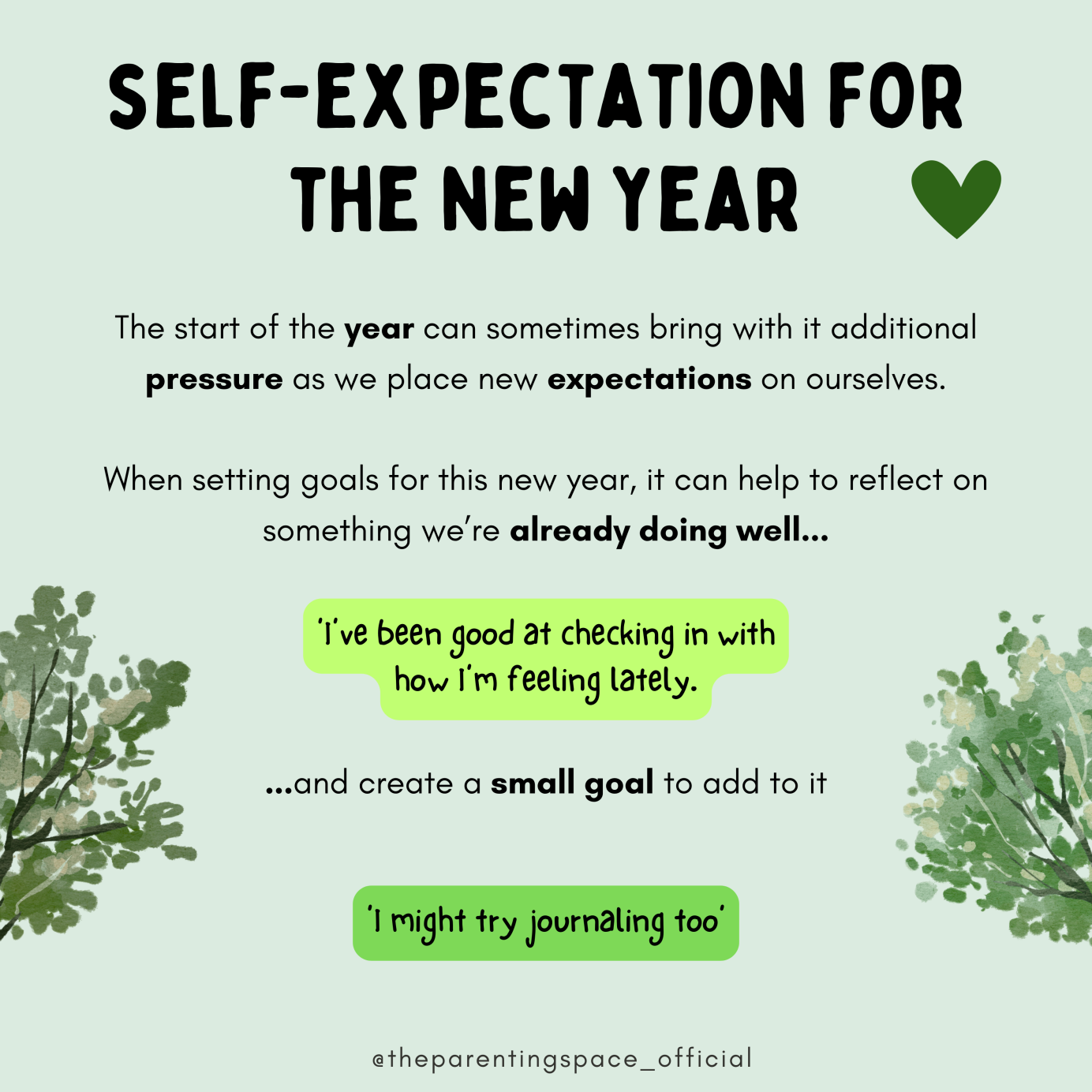
The start of the year can bring with it additional pressure. When setting new goals, instead of focusing on what’s not going well, try to reflect on something that you’re already doing well and build on this instead.

The start of the year can bring with it additional pressure. When setting new goals, instead of focusing on what’s not going well, try to reflect on something that you’re already doing well and build on this instead.

Ruby (practitioner)

Self-care during the festive season

This festive season, don’t forget to give yourself the gift of self-care. Taking time for yourself, whether it’s enjoying a quiet moment, treating yourself to something you love, or simply saying no to things that drain you is just as important as giving to others.

This festive season, don’t forget to give yourself the gift of self-care. Taking time for yourself, whether it’s enjoying a quiet moment, treating yourself to something you love, or simply saying no to things that drain you is just as important as giving to others.

Ruby (practitioner)