


Good parenting ideas to support child and family wellbeing based on research, evidence and experience
I am looking for tips and advice on:
-
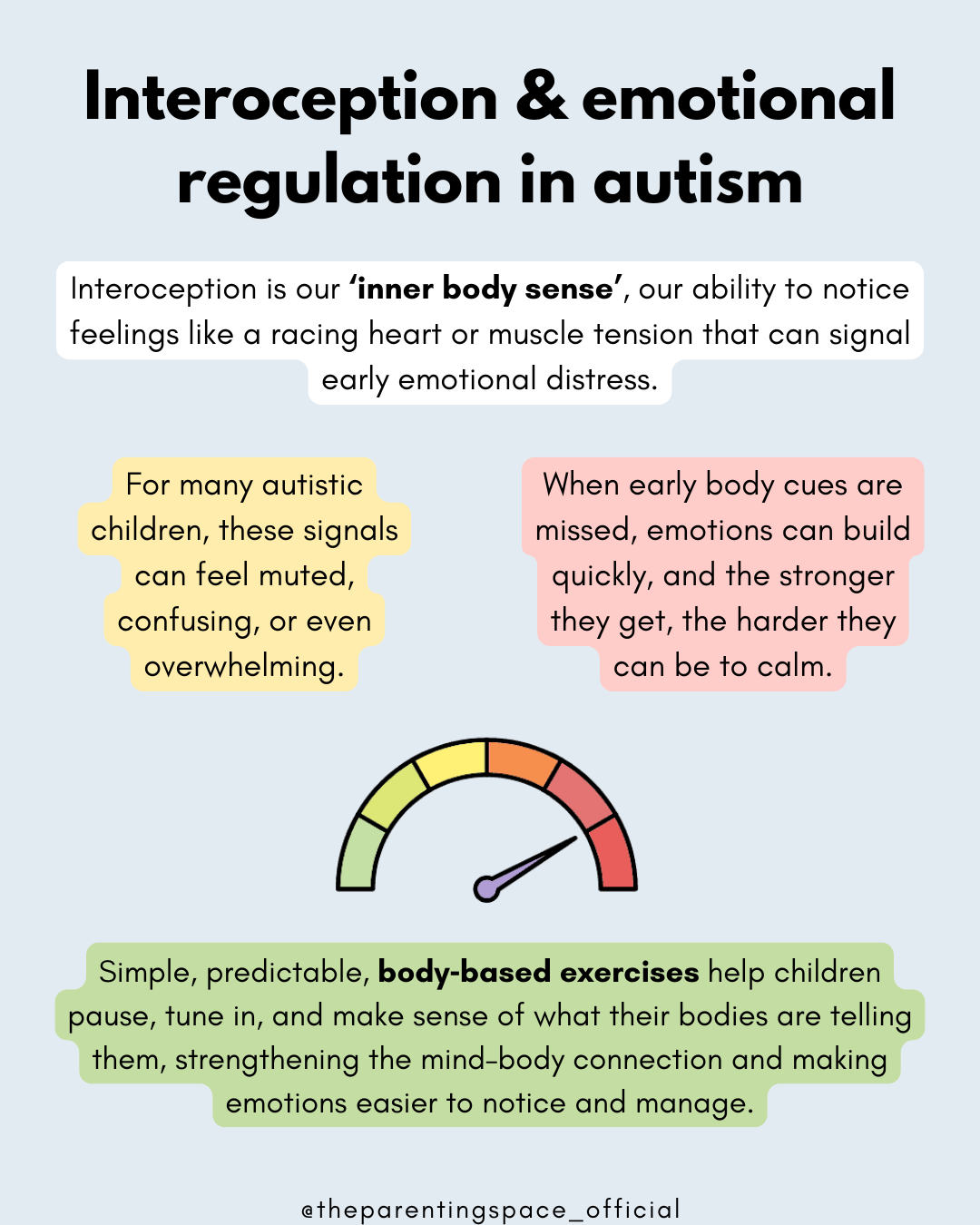
 Annie (practitioner)Interoception is the ability to notice and respond to signals from inside our bodies, such as hunger, tiredness, or stress....
 -
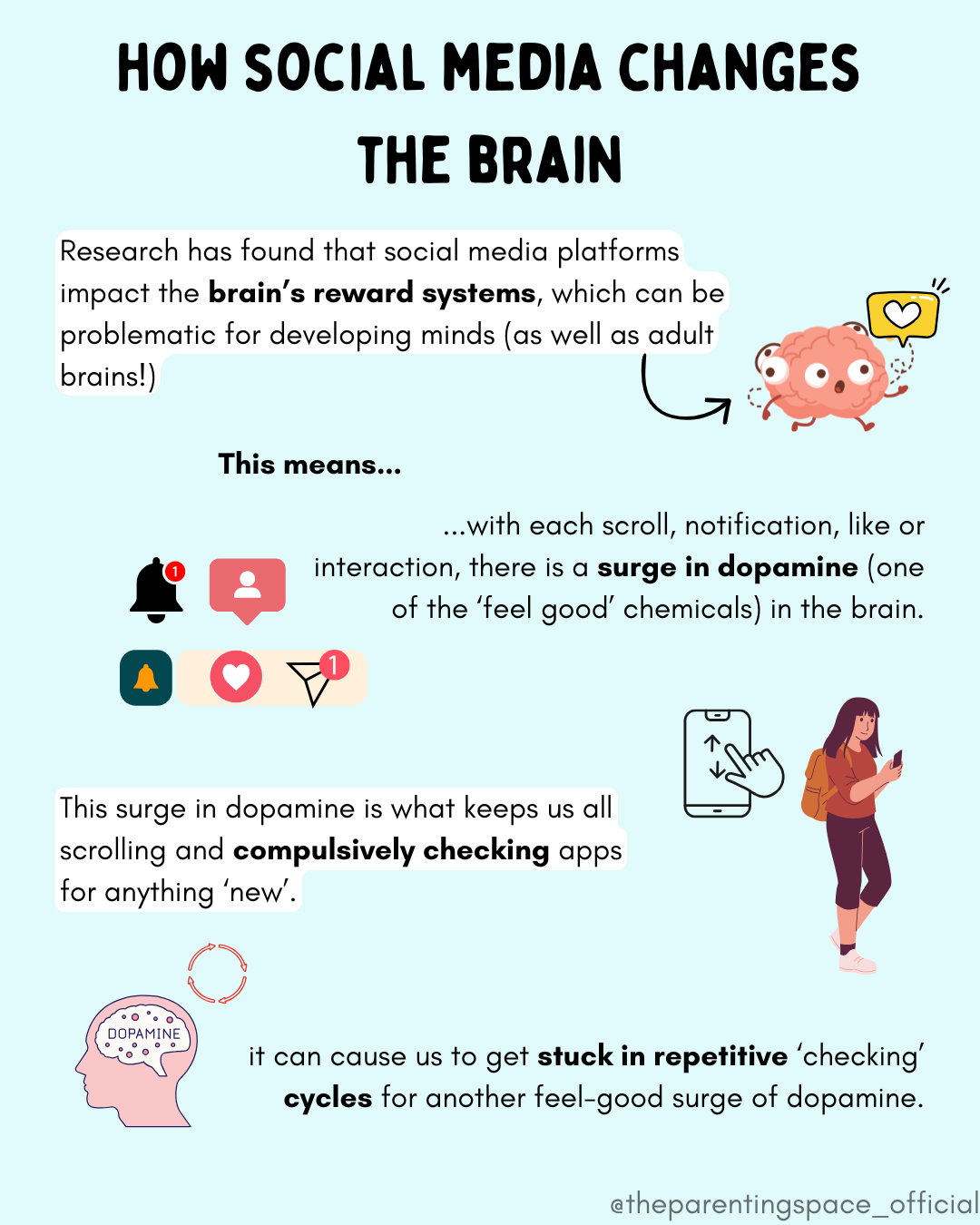
 Ruby (practitioner)Research shows that social media can affect the brain’s reward system, especially in developing minds. Each scroll, notification, like or...
 -
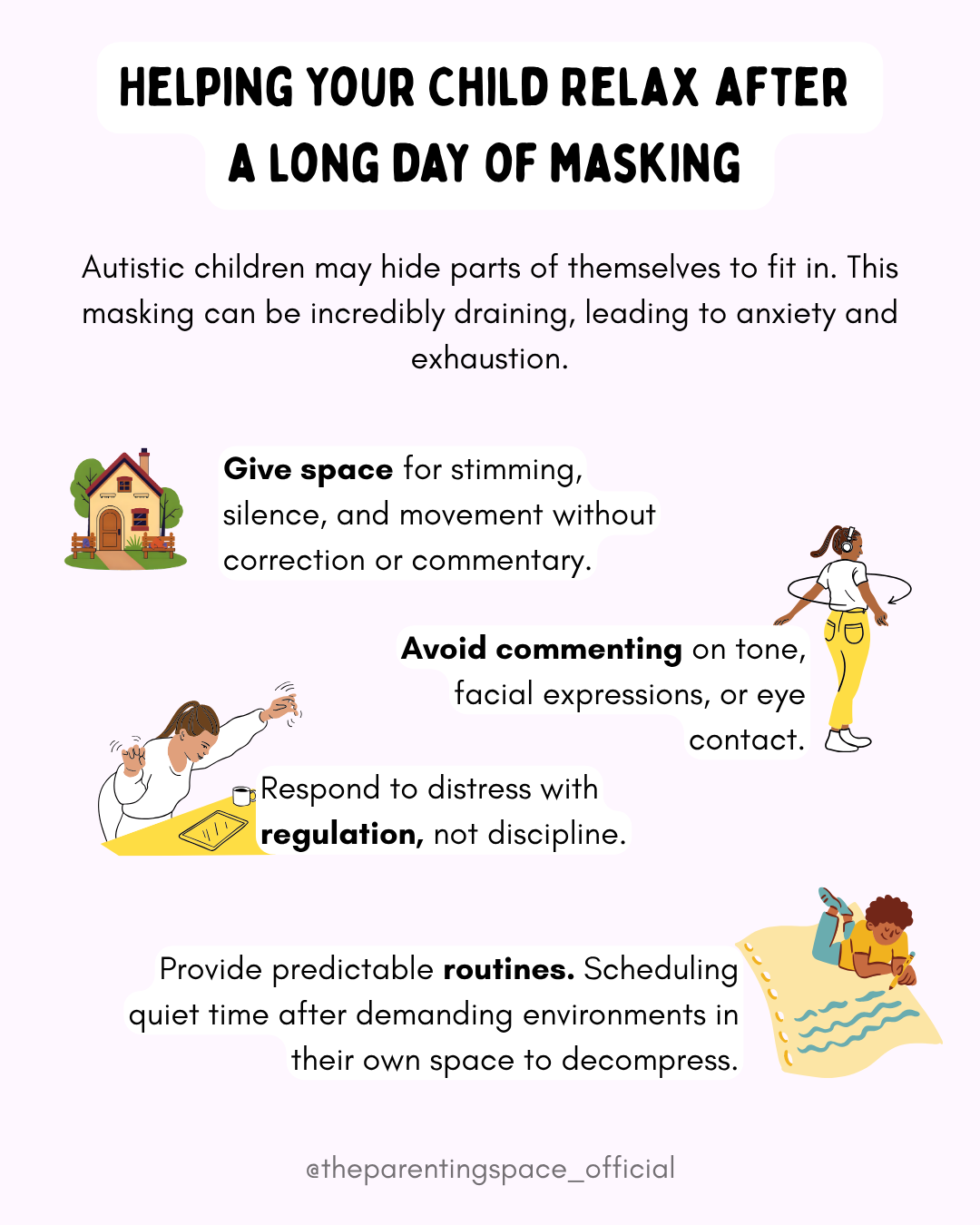
 Nadine (PARENT + PRACTITIONER)Autistic children may hide parts of themselves to fit in, which can be exhausting and may lead to increased anxiety....
 -
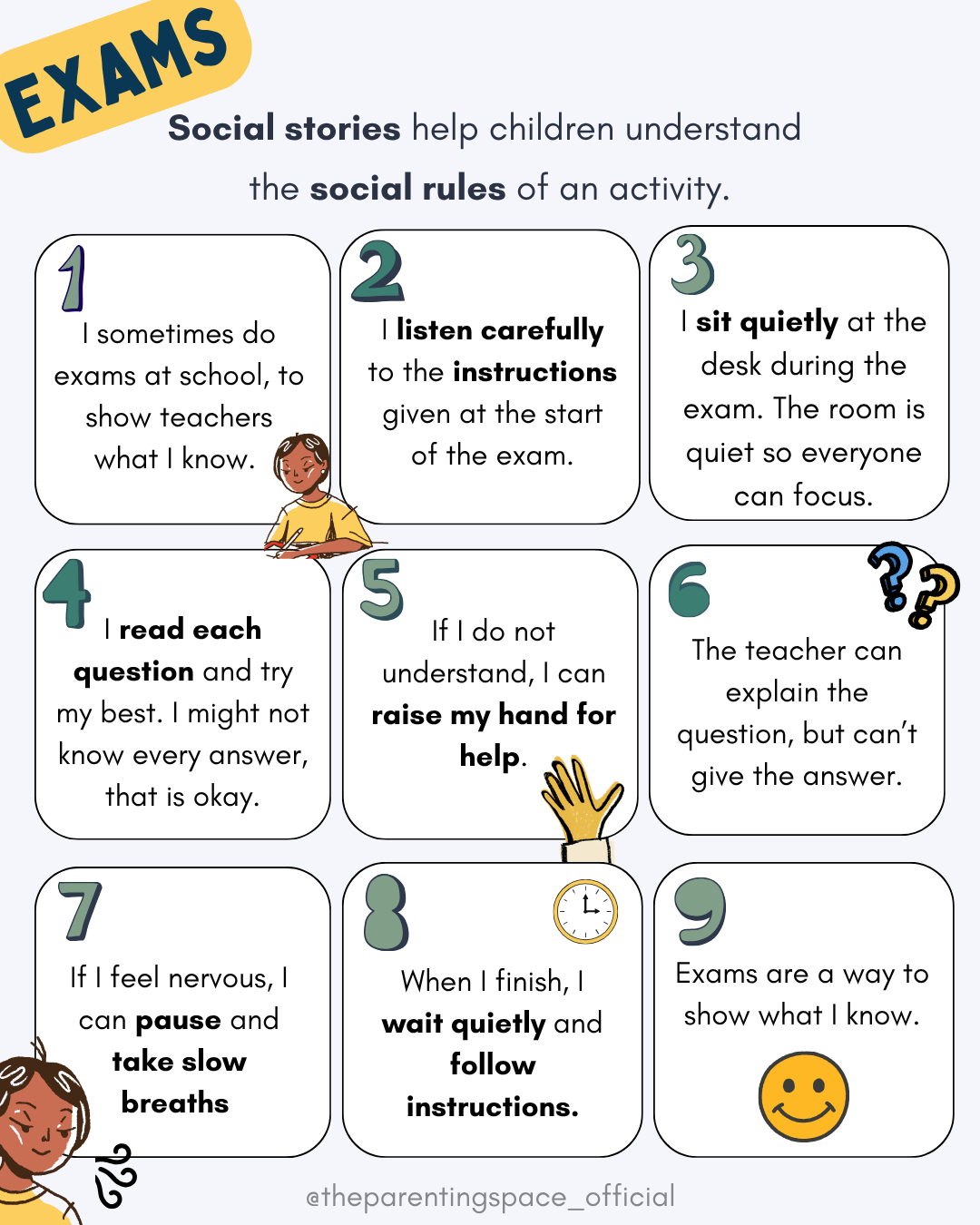 Nadine (PARENT + PRACTITIONER)Social stories can help children understand what to expect and the social rules of situations such as exams. This story...
 -
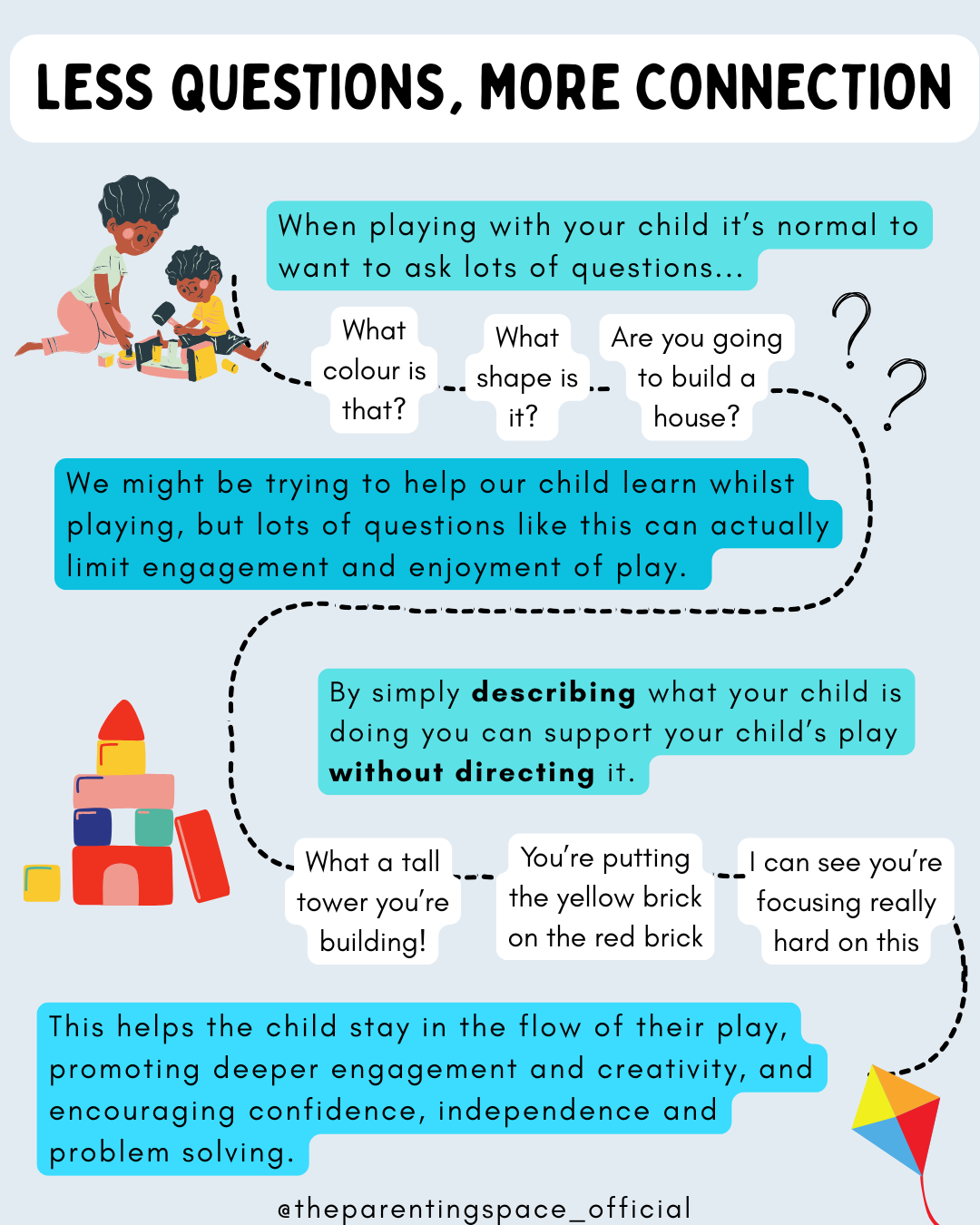
 ParentWhen playing with your child, it’s natural to ask lots of questions. But lots of questions can interrupt play and...
 -
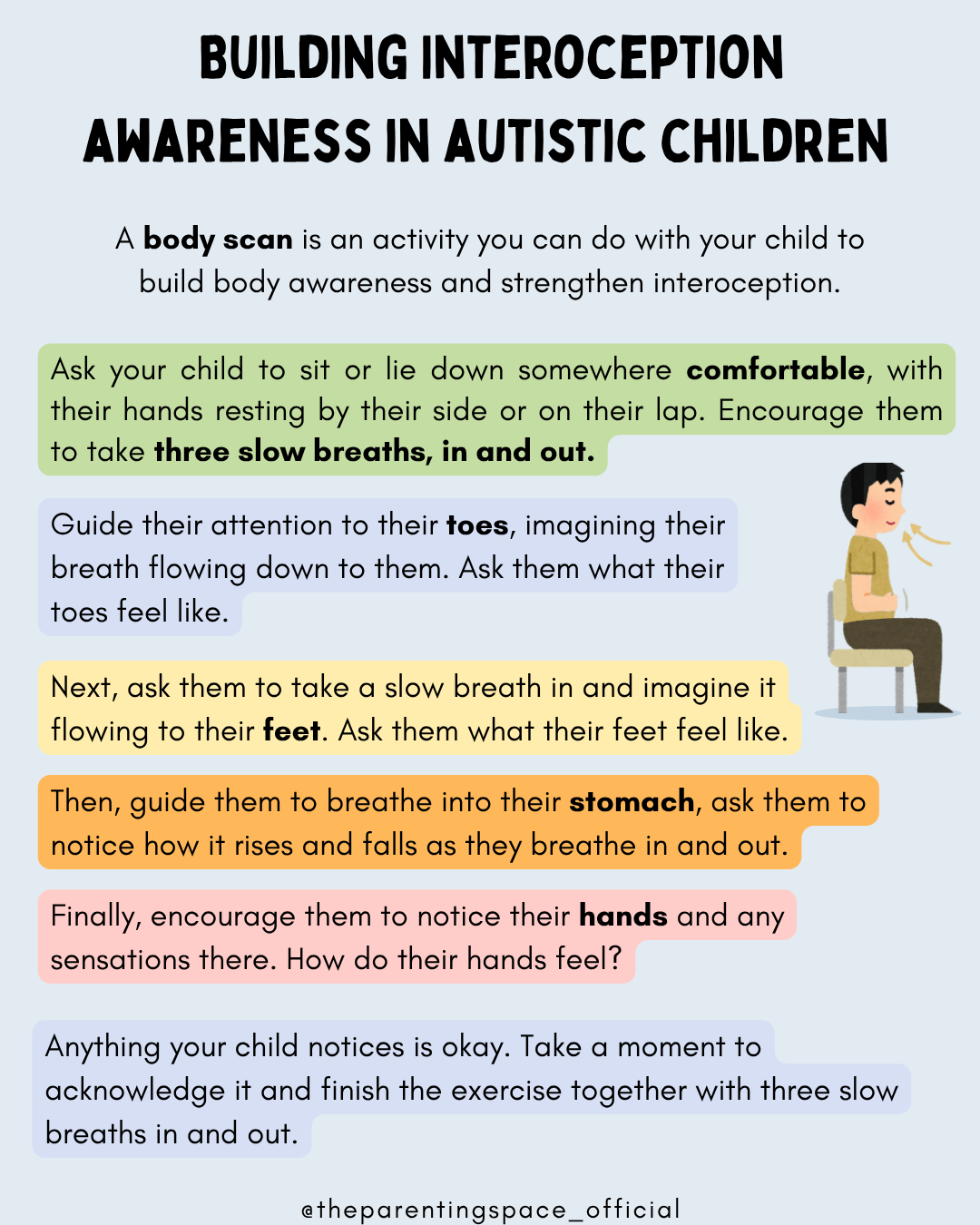 Nadine (PARENT + PRACTITIONER)Interoception is our ‘inner body sense’, helping us notice signals like a racing heart or muscle tension that can indicate...
 -
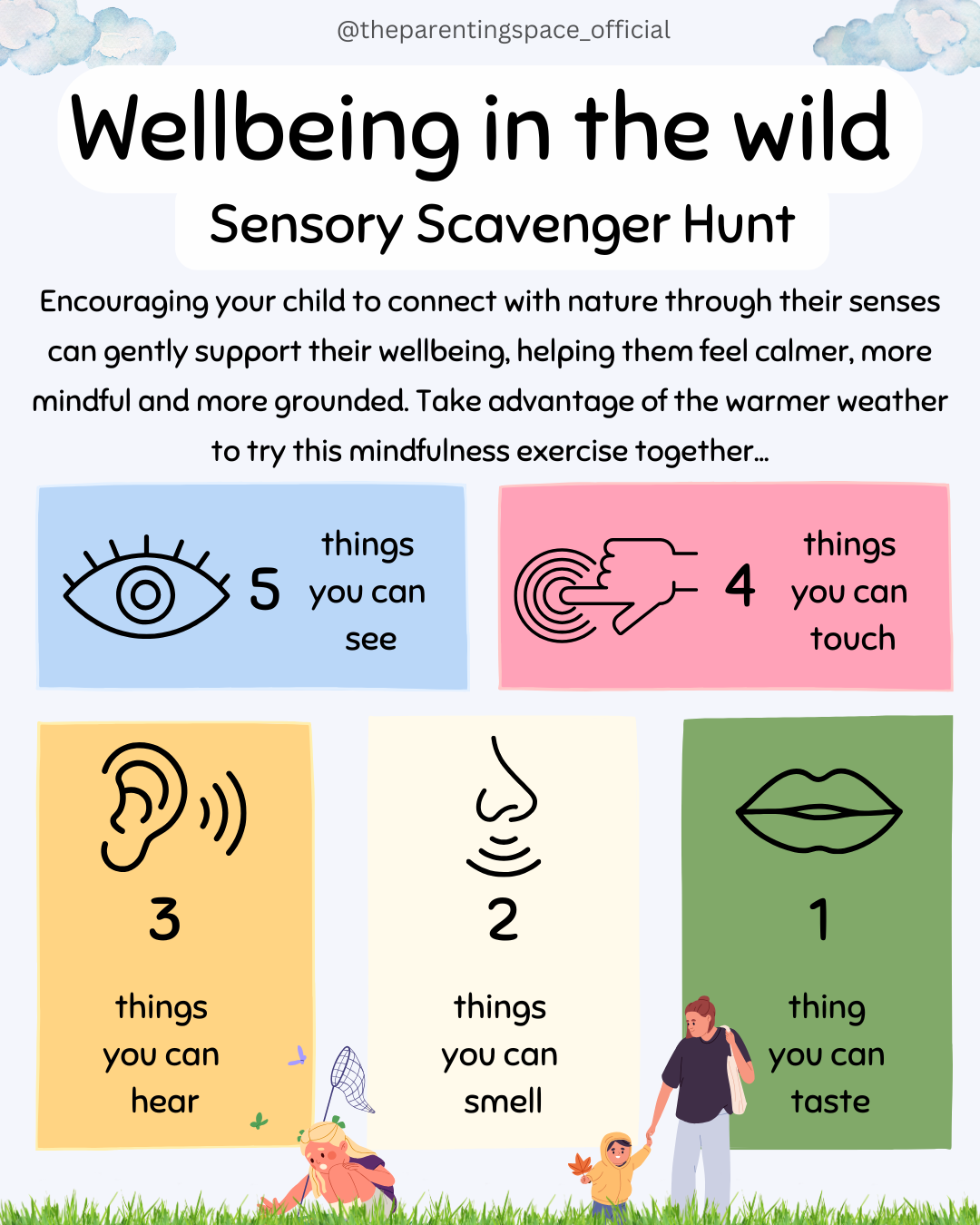 Annie (practitioner)Try this simple nature mindfulness activity with your child. Using their senses, ask them to notice 5 things they can...
 -
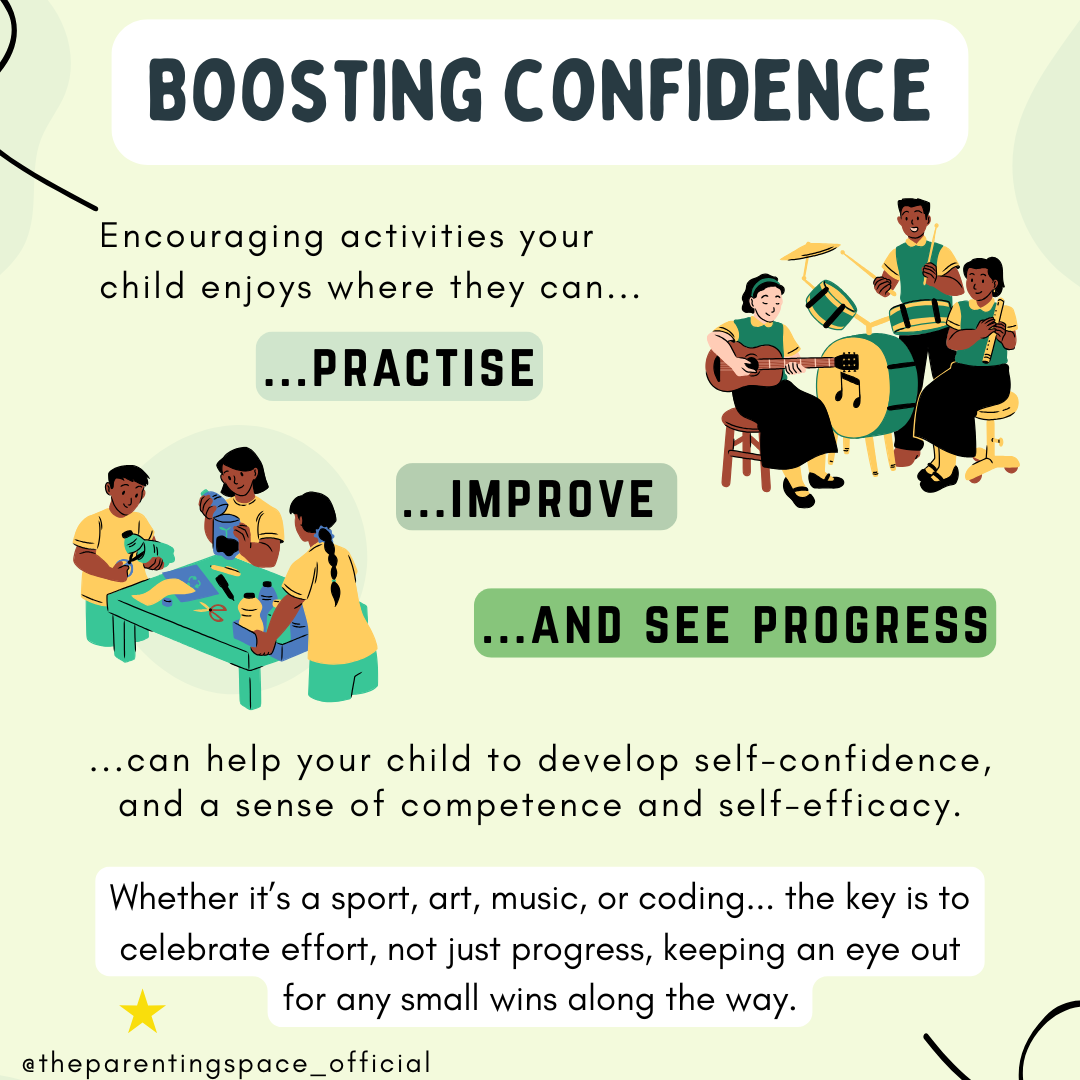 Annie (practitioner)Encouraging your child to take part in activities they enjoy, where they can practise skills, improve over time, and see...
 -
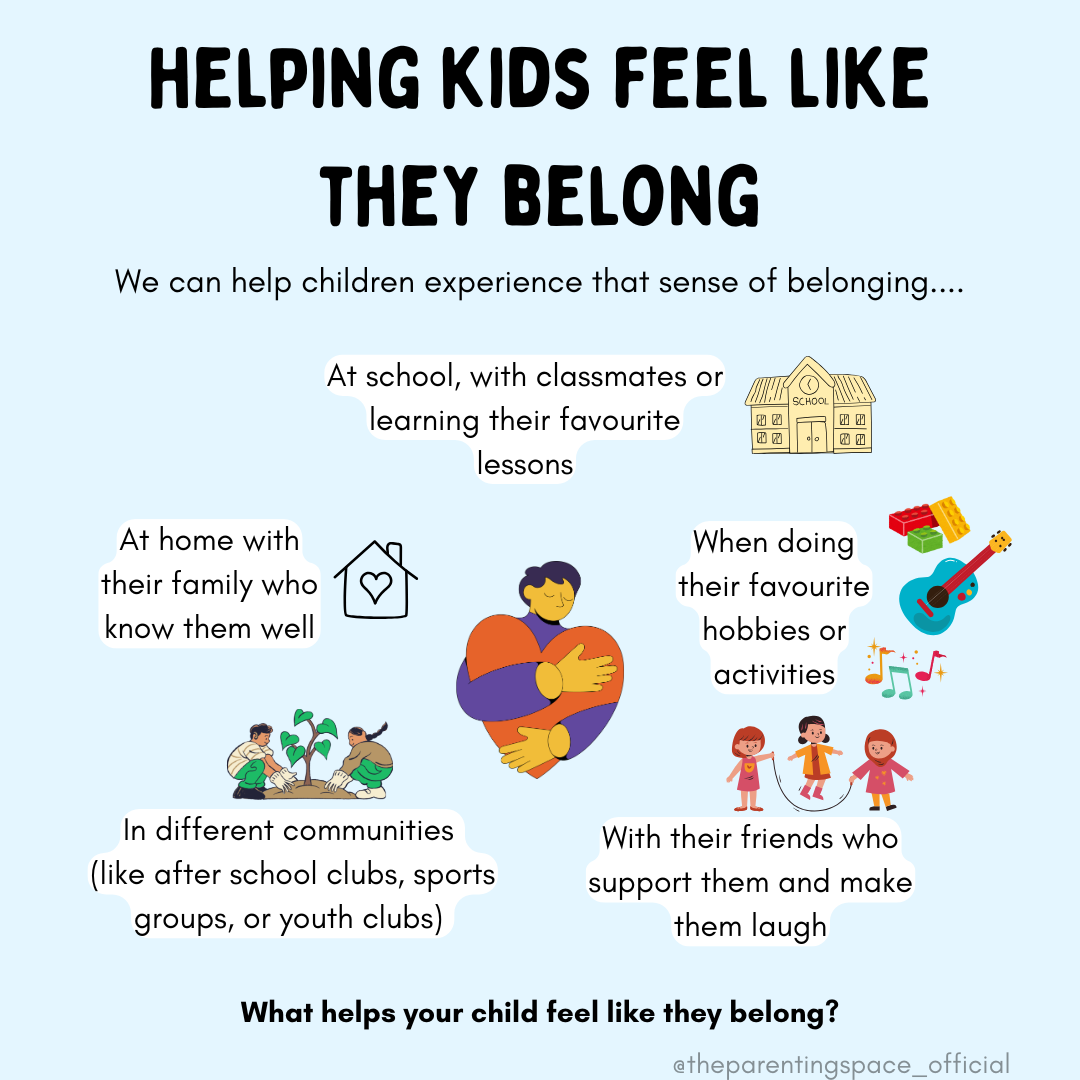 Ruby (practitioner)This post highlights the different places and relationships that can help children feel a sense of belonging, including family, friends,...
 -
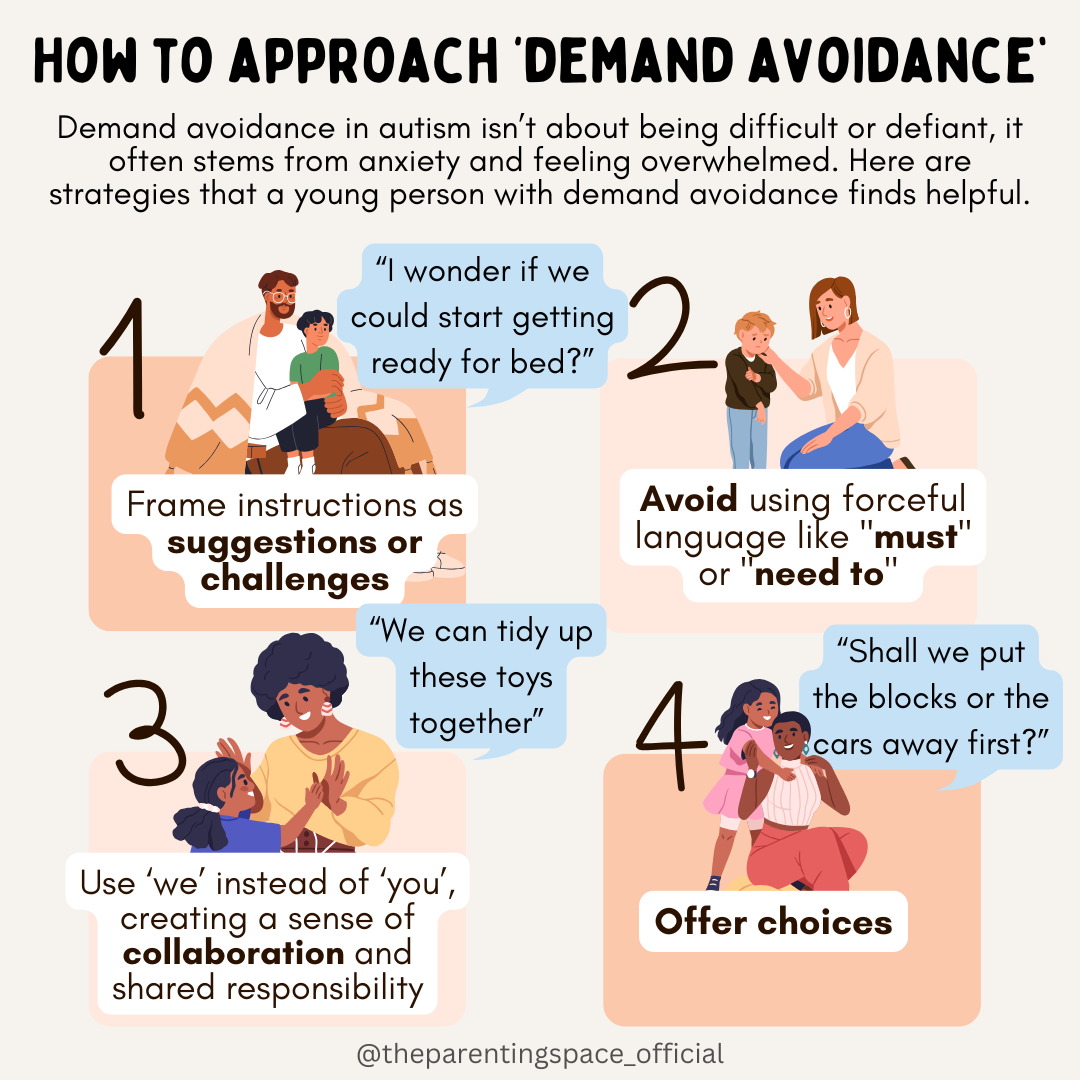 NADINE (PARENT + PRACTITIONER)This post explains that demand avoidance in autistic young people is often linked to anxiety and feeling overwhelmed, not defiance....
 -
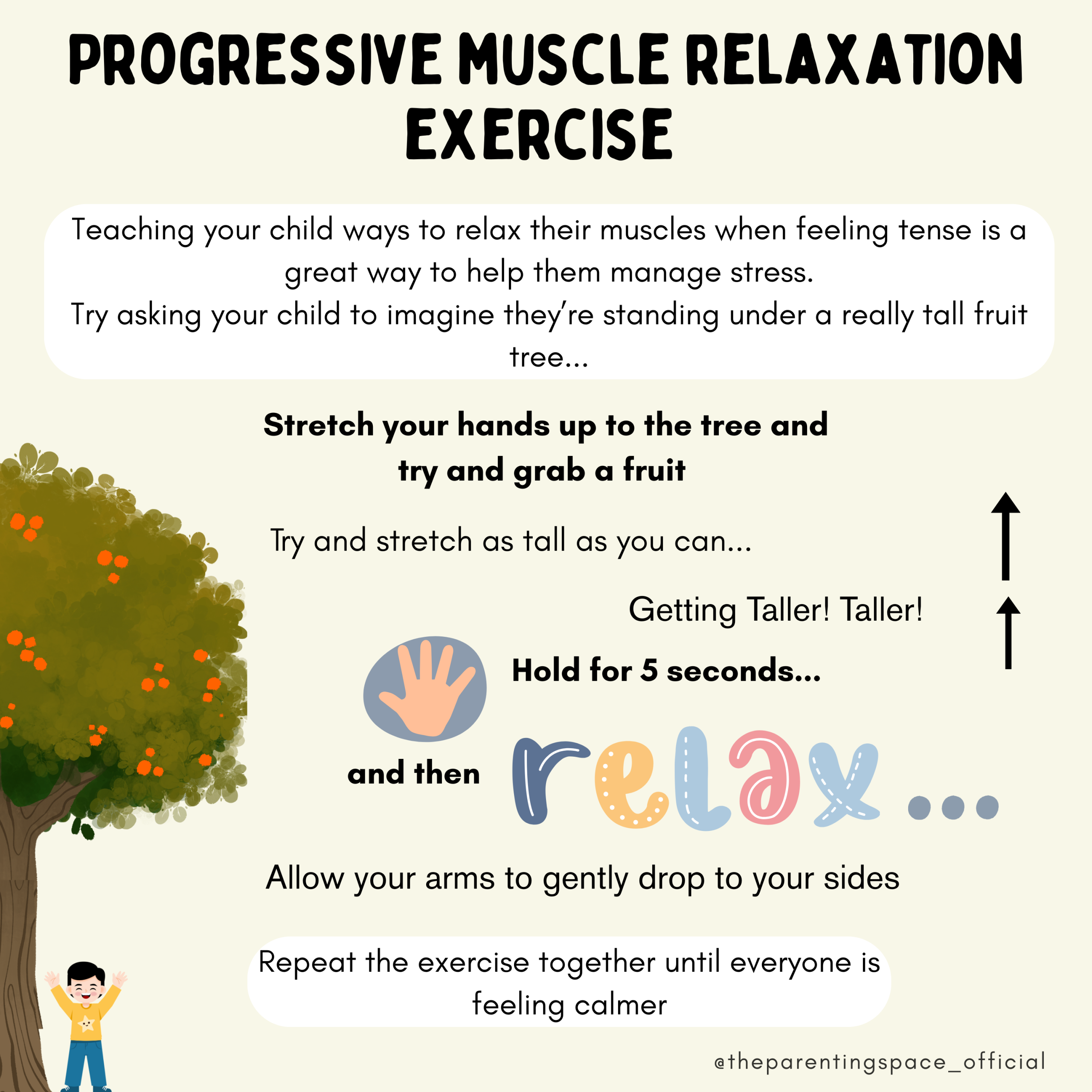 Annie (practitioner)A child‑friendly progressive muscle relaxation exercise that encourages children to stretch their arms up high as if reaching for fruit,...
 -
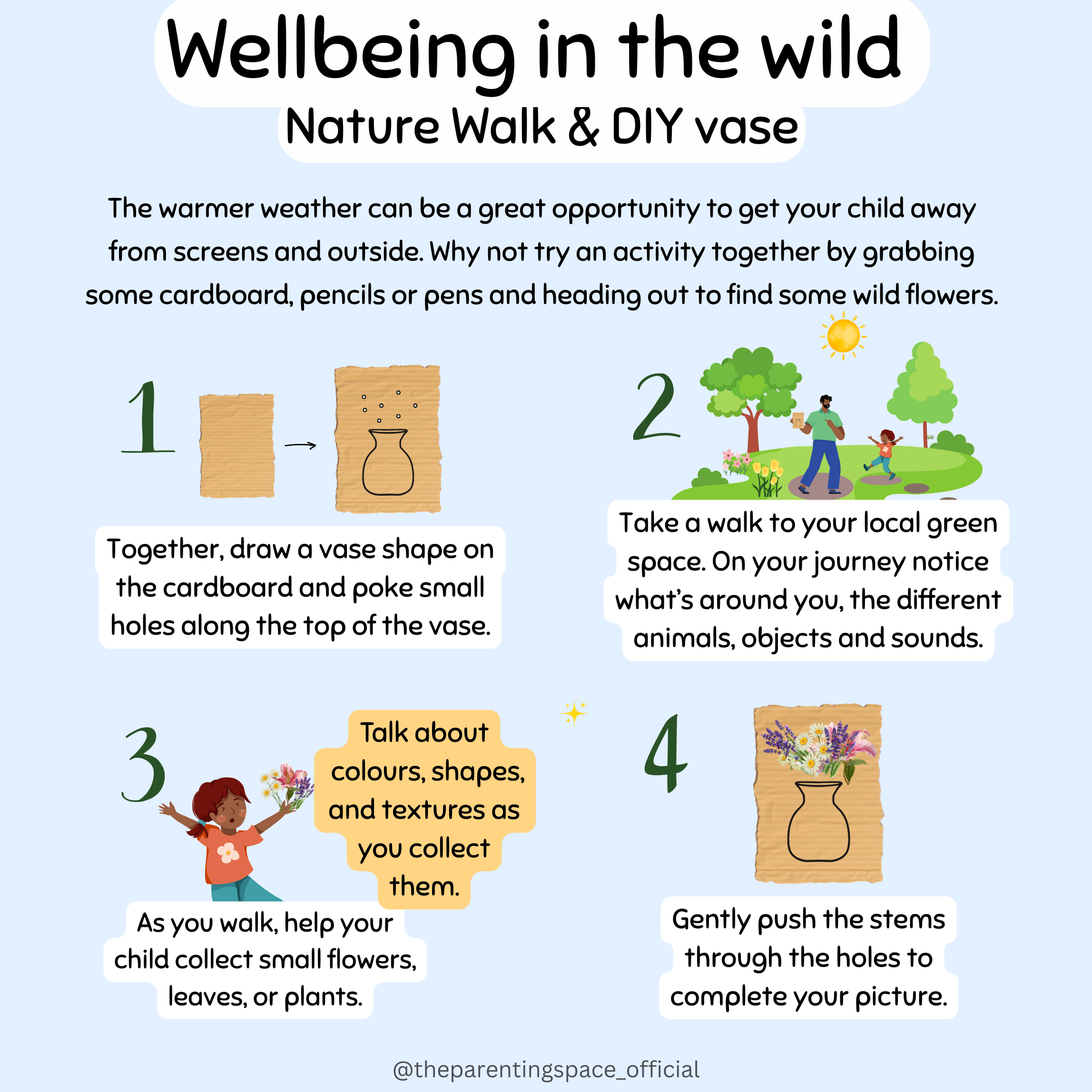 Annie (practitioner)Help nurture your child's mental health by encouraging them to step outside and connect with nature.